
Celebrate Libraries + KidLit with 260 Days of Picture Books
September 10, 2026Celebrate Libraries + KidLit with 260 Days of Picture Books
Join Us! We are celebrating Libraries and KidLit with 260 Days of picture books!
Here are the first 20 of our 260 great read aloud picture books roll out.
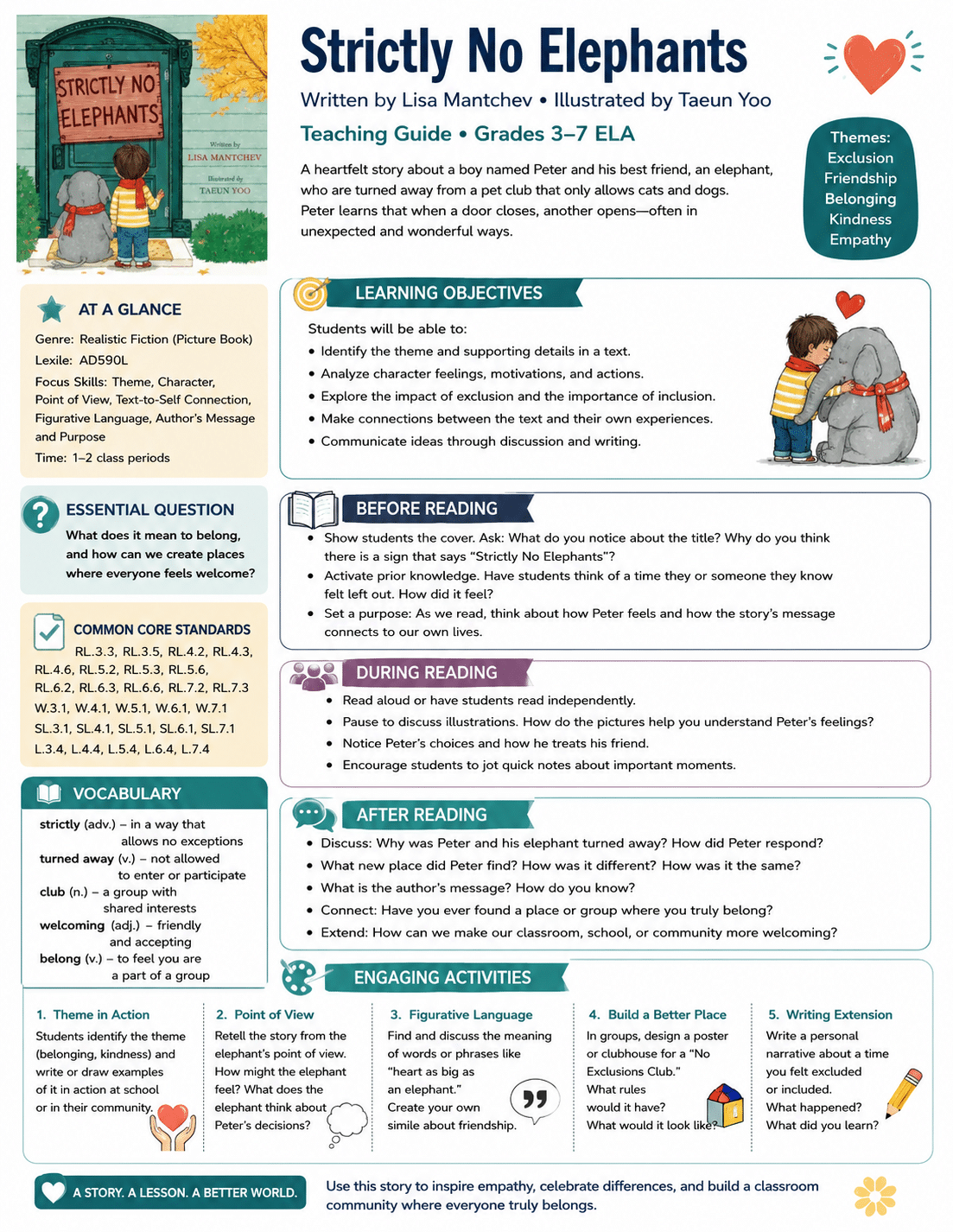
Each book will include a Summary, Big Idea, Discussion Questions, Activity—
plus a full printable Teacher's Guide!
Day 1 - Inclusion
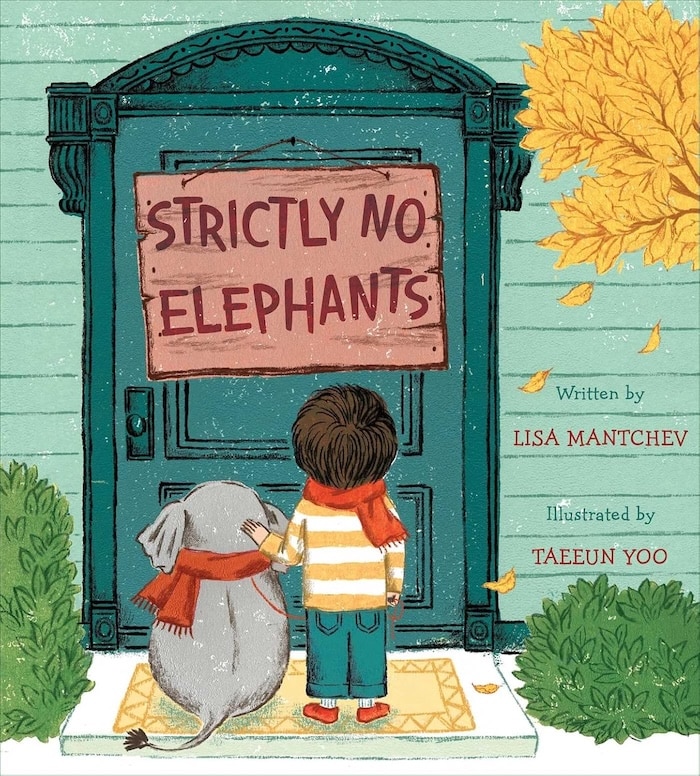
Strictly No Elephants
by Lisa Mantchev
One great way to begin the year is a reminder that inclusion is needed in school classroom. It helps kids reflect on kindness and building that place, like the classroom, as a club where everyone is welcome.
Big Idea: Everyone belongs, and small acts of kindness can help build a welcoming community where all people are valued.
Discussion Questions
- Why did the Pet Club refuse the elephant?
- Was the club's rule fair? Why or why not?
- How did the boy respond to being excluded?
- Why did the girl become his friend?
- What makes the new club different?
- How does the parade show that everyone belongs?
- How can our classroom be more welcoming?
ACTIVITY: Create Your Own Pet
Invent an unusual pet. Describe its Appearance, Personality, Favorite activities, and share why it would make a great friend.
Day 2 - Name Calling
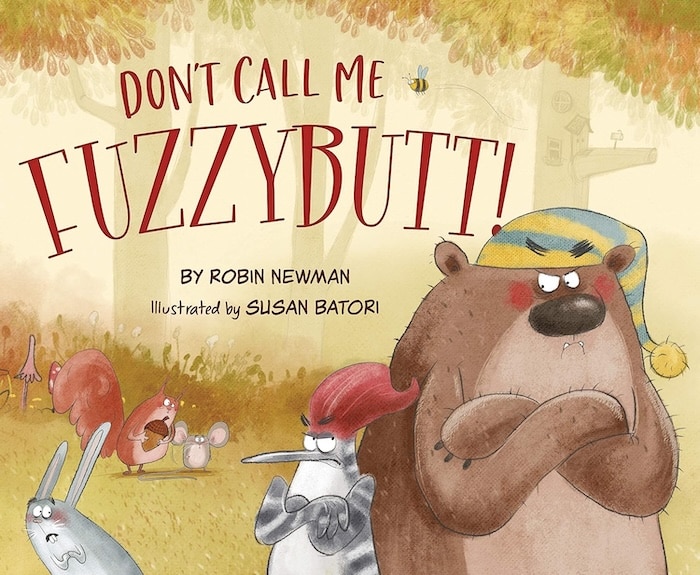
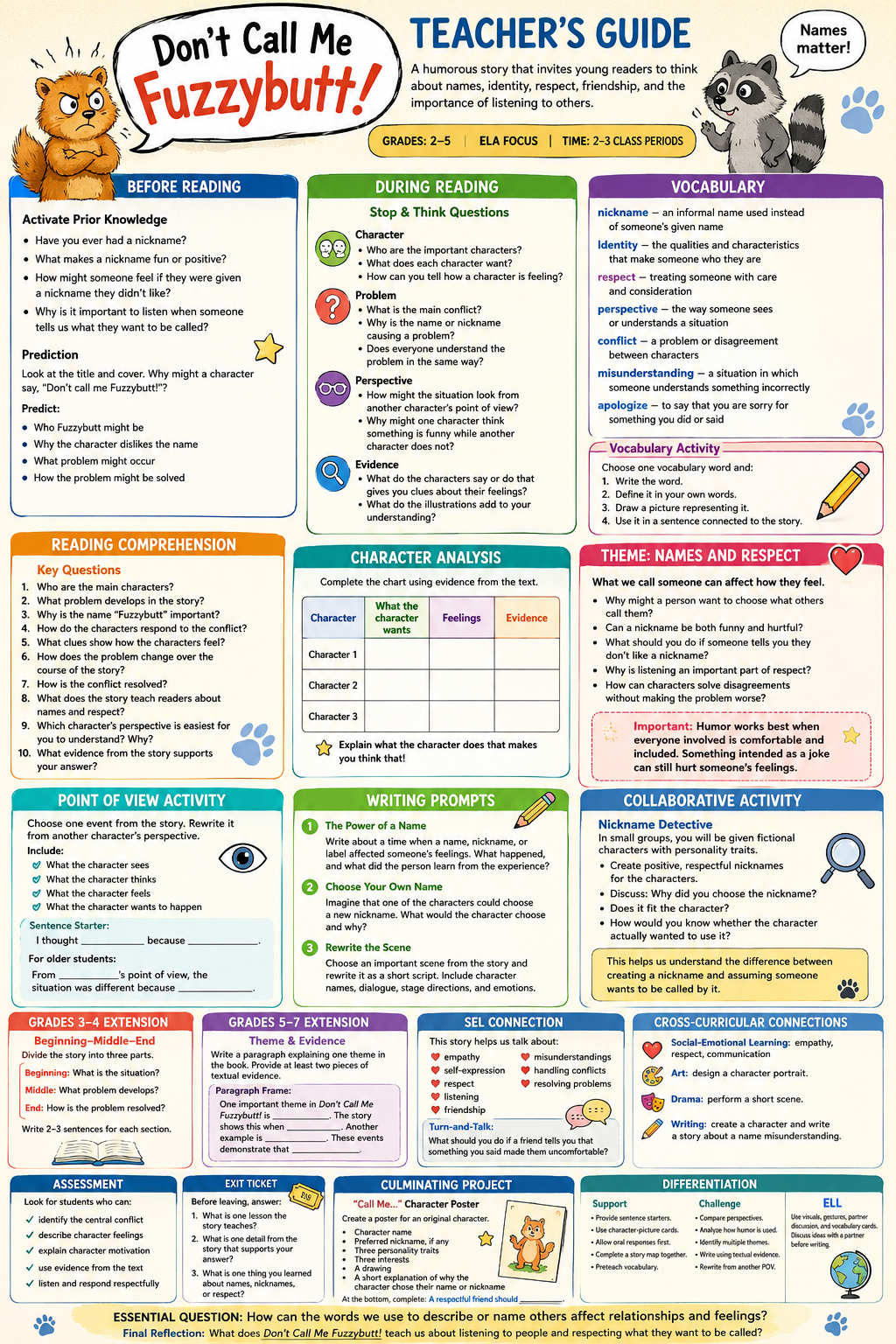
Don't Call Me Fuzzybutt!
by Robin Newman
Who doesn't love a great way to say, Name calling is not done here, and this here is a good reason why—with personality, loads of cool characters, sass, and sassy, and a great title to boot! go ahead, read it. I dare you not to find it a great, great, most fabulous read.
Big Idea: Our names are part of who we are, but the care, respect, and love we share with others are what truly define us.
Discussion Questions
- Why does the kitten dislike the nickname "Fuzzbutt"?
- Which name would the kitten have preferred? Why?
- How do the illustrations help make the story funny?
- How does the family's behavior show that they care about the kitten?
- What makes a good name?
- What lesson does the kitten learn?
- How would you have solved the kitten's problem?
- Why do you think the author chose such a funny title?
ACTIVITY: My Perfect Name
Students imagine giving themselves a new nickname. Students include the new name, why it fits, three personality traits, and an illustration.
Day 3 - Brainpower
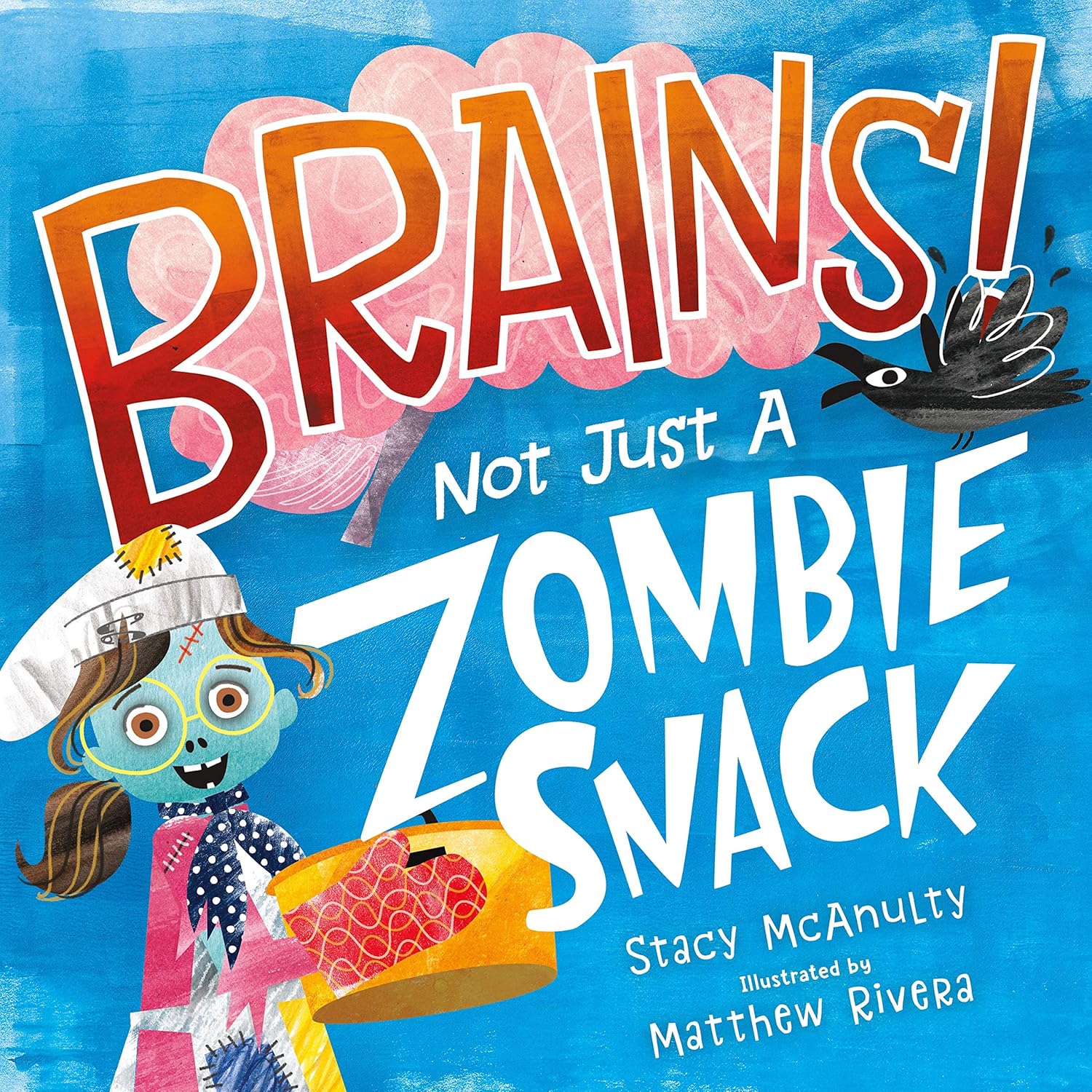
Brains! Not Just a Zombie Snack
by Stacy McAnulty
Any book that starts out: "Brains. 78% water, 100% delicious" and features a zombie chef scientist extraordinaire gets my vote, plus this brilliant, brilliant illustrator (take a bow, please, Matthew Rivera) adds so much extra to this story. Your kiddos will be talking gray-matter like it matters for days. And they will remember a lot.
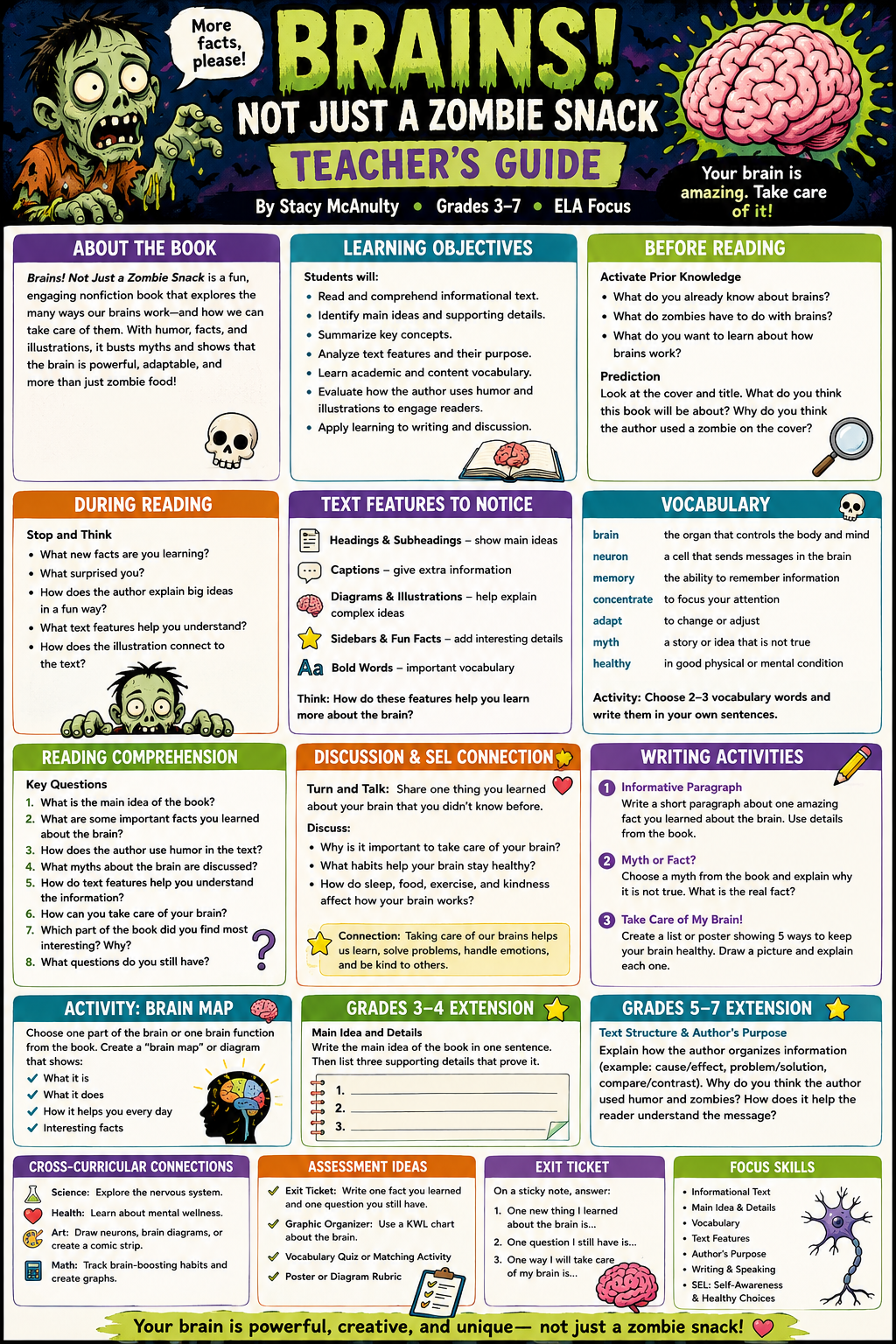
Big Idea: Your brain is an incredible organ that helps you think, learn, move, feel, and grow. Taking care of your brain helps you live a healthy, active, and curious life.
Discussion Questions
- Why does the author compare brains with zombie stories?
- What are three important jobs the brain performs?
- Which brain fact surprised you the most?
- Why is the brain considered the body's control center?
- How do neurons help the brain communicate?
- Why is it important to wear helmets during certain activities?
- How does humor make learning easier?
- What is the author's purpose for writing this book?
ACTIVITY: Amazing Brain Poster
Create an informational poster showing your favorite Brain: Major brain parts, their functions, interesting facts, illustrations and labels.
Day 4 - Spooky Friendship
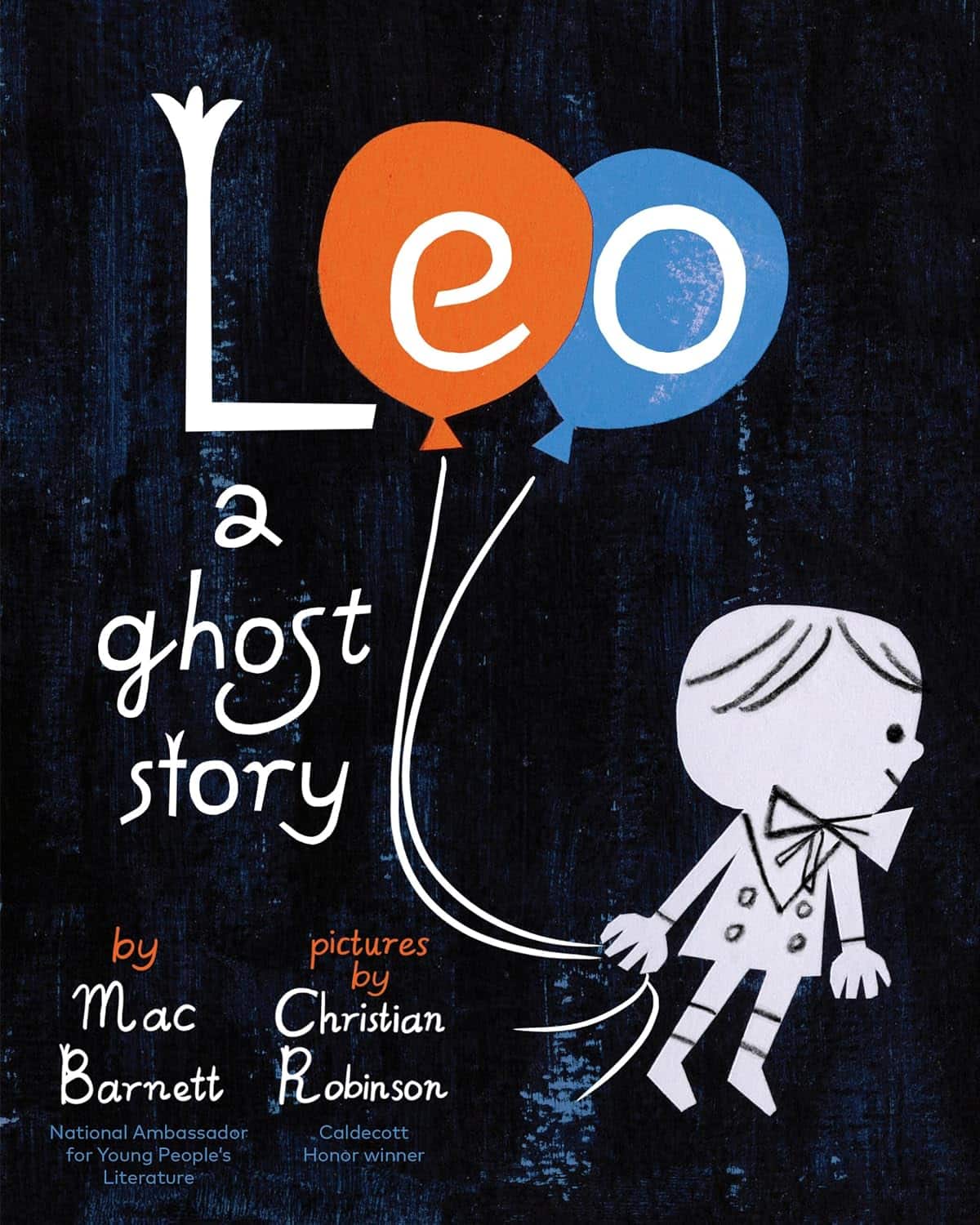
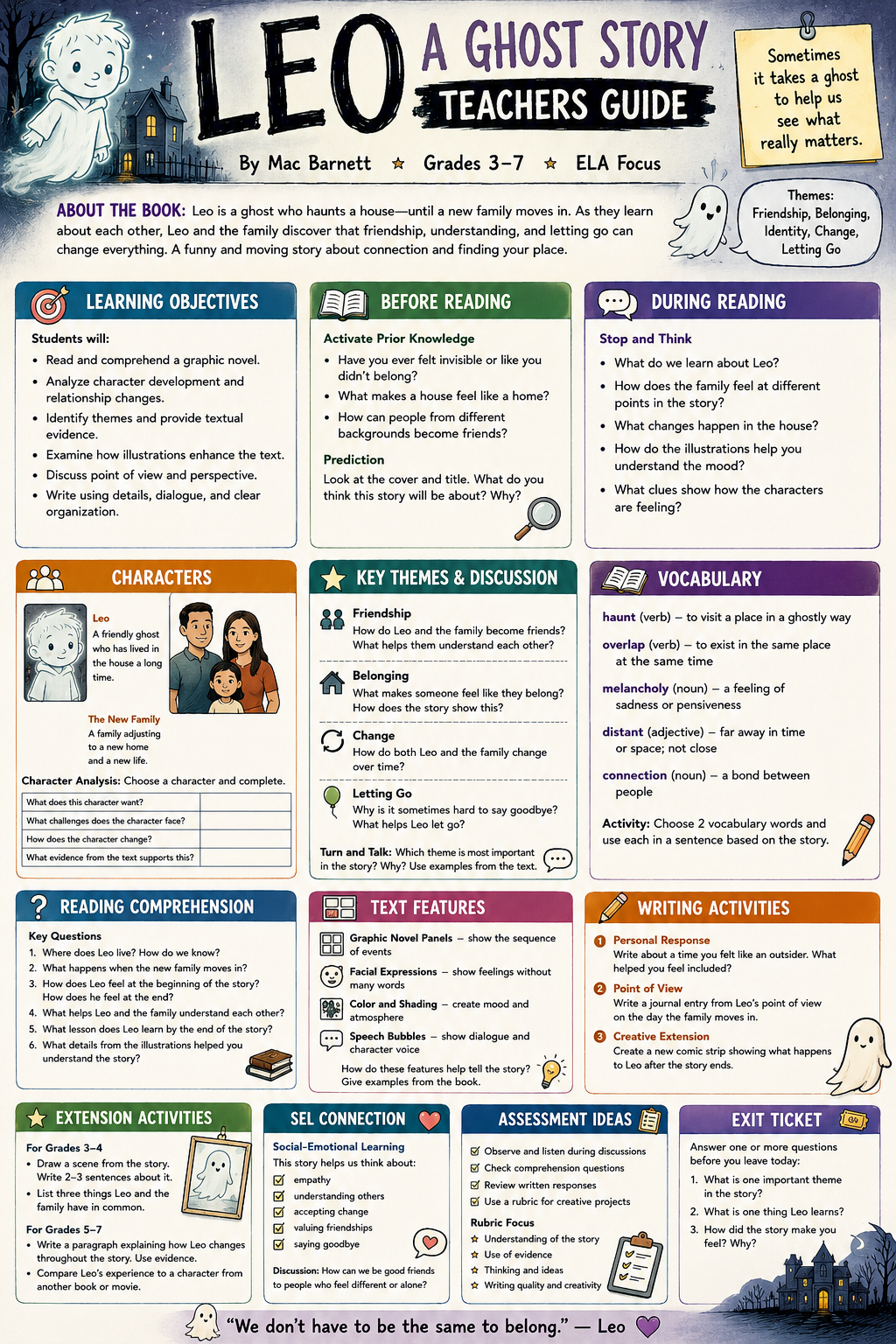
Leo: A Ghost Story
by Mac Barnett
As a Library Director, I often shifted from a Middle School to an Elementary midday, and I often found it funny that both schools had those who craved Spooky Stories. But in the Elementary, this book often came to mind. I loved asking littles if they think, based on the cover if this will be a spooky Read. Hans would go up. But... then surprise would wave Hello!
Big Idea: When we look beyond appearances and welcome others with kindness, we discover friendship, understanding, and a place where everyone belongs.
Discussion Questions
- Why were the new homeowners afraid of Leo?
- How is Leo different from the ghosts we often see in stories?
- Why do you think Jane was able to become Leo's friend?
- What does Leo learn about friendship?
- How do the illustrations help show Leo's emotions?
- Why is imagination important in the story?
- What lesson does the author want readers to learn?
- How can we help someone feel like they belong?
ACTIVITY: Graphic Friendship Art
Draw Leo and Jane on one of their adventures together in six comic panes. Add speech bubbles showing their conversation.
Day 5 - Jaw-Saving New Job
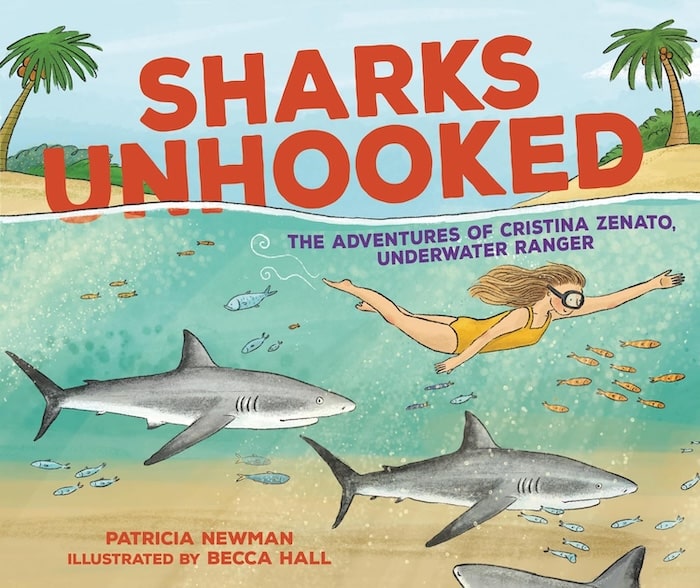
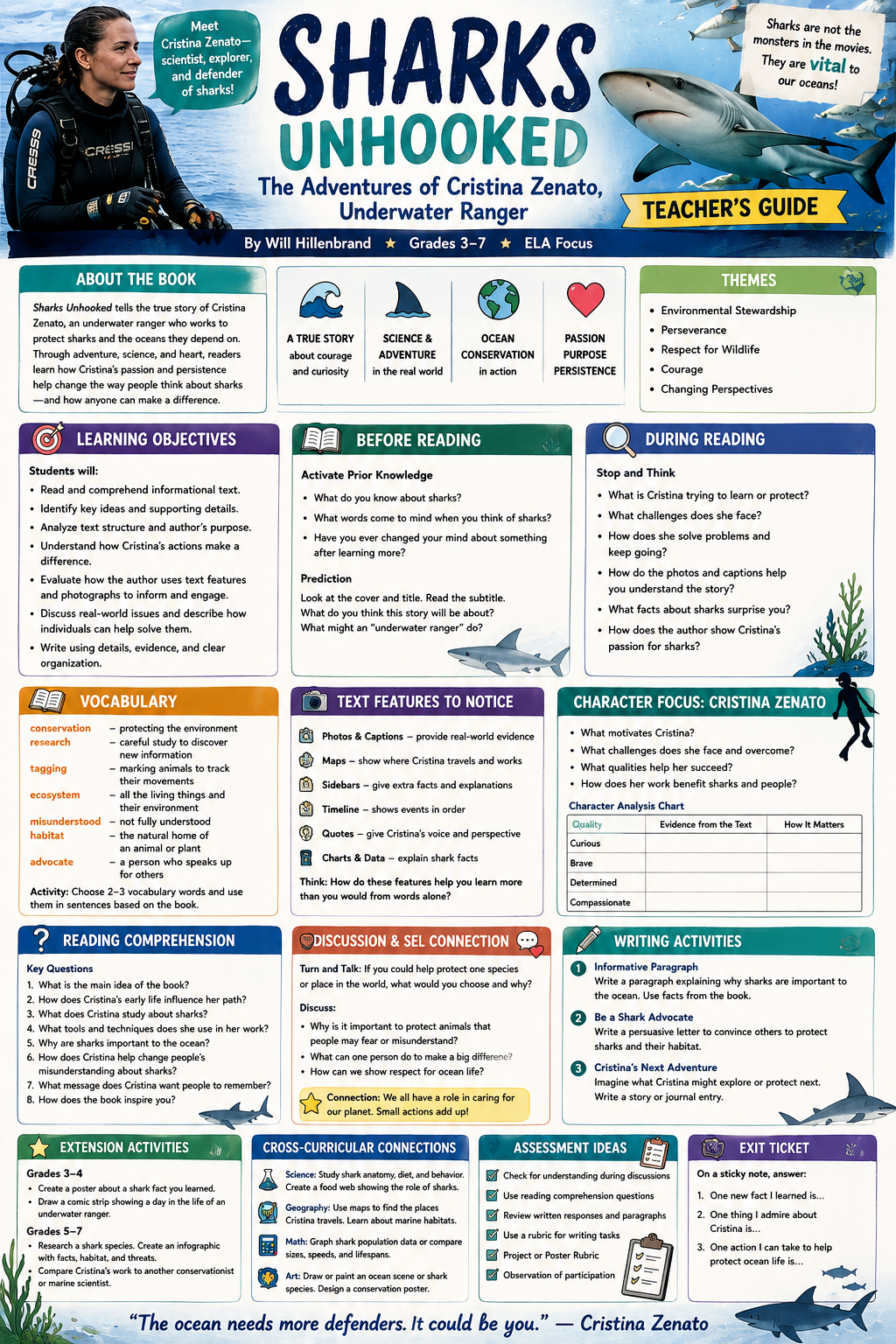
Sharks Unhooked: The Adventures of Cristina Zenato, Underwater Ranger
by Patricia Newman
This inspiring nonfiction picture book tells the true story of Cristina Zenato, a conservationist, cave diver, and shark advocate who removes fishing hooks from sharks to help them survive. BIG QUESTION BEFORE YOU READ: Would you stick your arm in a shark's mouth to help them? (ASK AGAIN AFTER.)
Big Idea: Knowledge, compassion, and responsible action can help protect sharks and preserve healthy oceans for future generations.
Discussion Questions
- Why are many people afraid of sharks?
- How does Cristina challenge common myths about sharks?
- Why is it important to remove fishing hooks from sharks?
- What qualities make Cristina a successful underwater ranger?
- How do healthy shark populations help the ocean?
- What did you learn that surprised you?
- Why do you think the author chose to tell Cristina's story?
- How can young people help protect marine life?
ACTIVITY: Conservation Poster
Create a poster encouraging people to protect sharks and ocean habitats.
Include Facts, Catchy Slogan, Illustrations and Ways people can help.
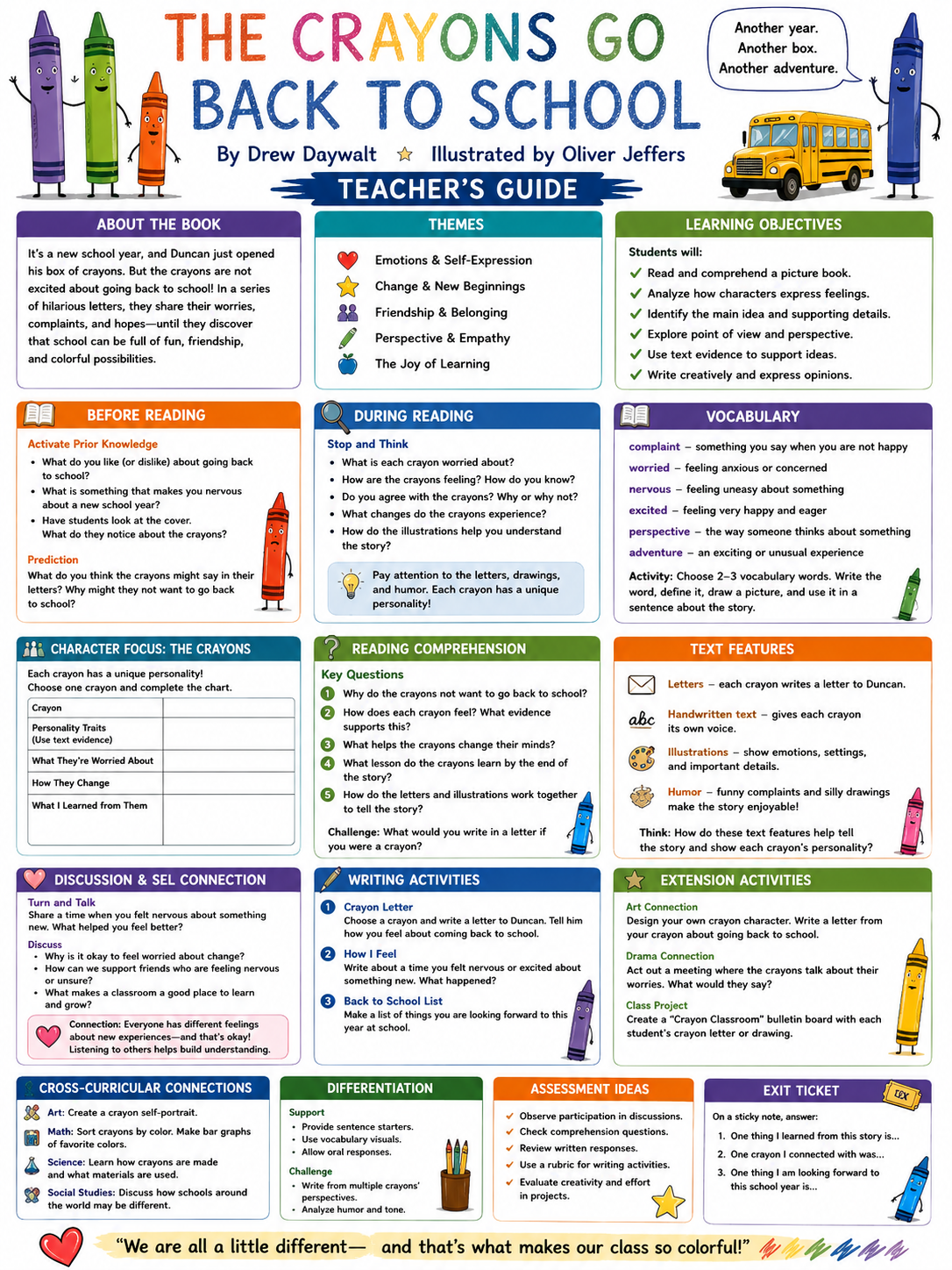
Day 6 - National Crayon Day
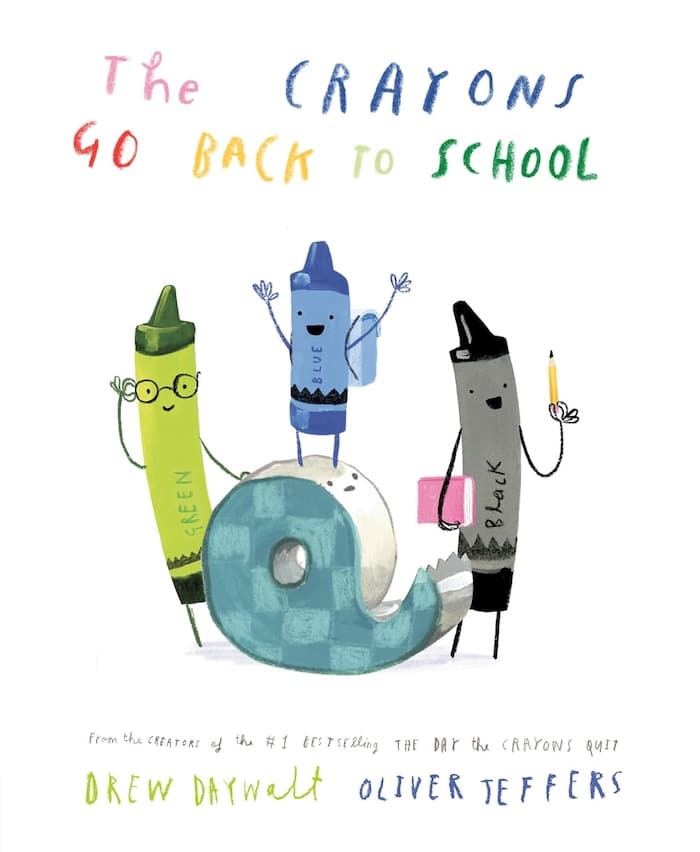
The Crayons Go Back to School
by Drew Daywalt
Part of the Crayons Celebrate series, this book sketches out the excitement crayons have for their return to school, classroom, and friends.
Big Idea: Just as every crayon adds a unique color to a picture, every student brings valuable talents and ideas that help create a welcoming classroom.
Discussion Questions
- Which crayon did you relate to the most? Why?
- How are the crayons similar to students?
- What challenges did the crayons face at school?
- How did they solve their problems?
- What makes each crayon unique?
- Why is teamwork important in a classroom?
- What lesson does the story teach about learning?
- How do the illustrations add to the humor?
ACTIVITY: If I Were a Crayon...
Write from the point of view of a crayon. What's Your color, personality, favorite school subject, and how you help classmates?
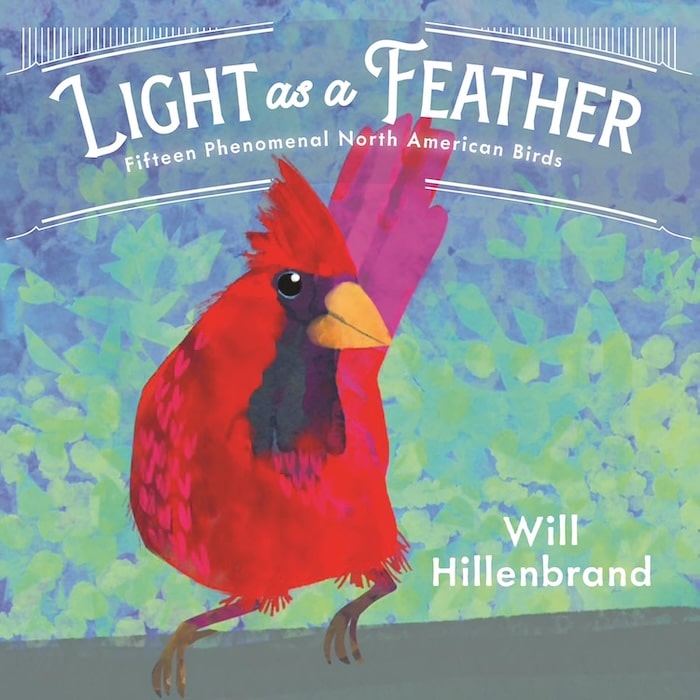
Day 7 - Ode to Phenomenal Birds
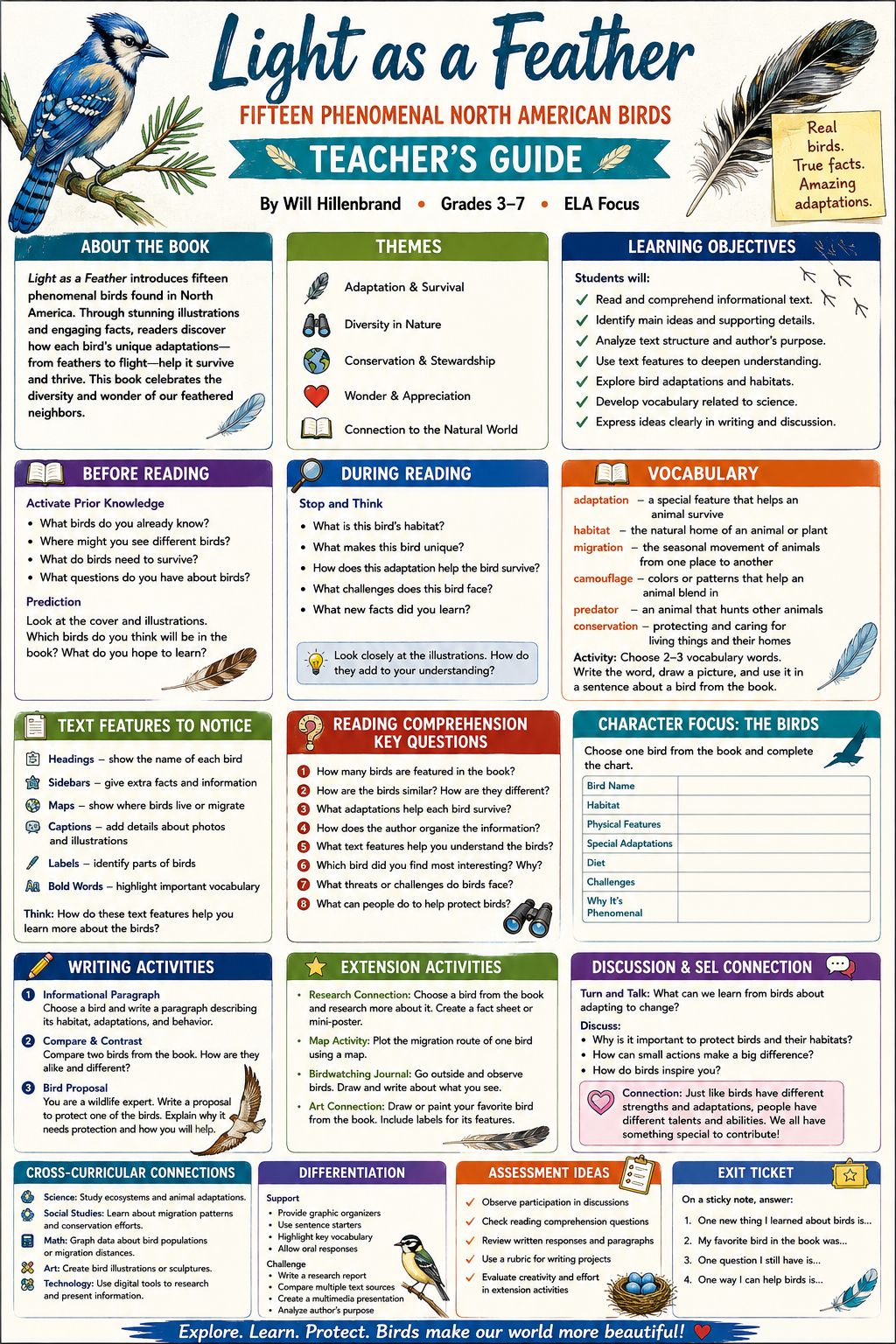
Light as a Feather: Fifteen Phenomenal North American Birds
by Will Hillenbrand
Meet North America's most fascinating birds like nature's drummers (the woodpecker) to its most dynamic dancers (the sandhill crane) and flashiest fliers (the blue jay), niftiest nester (the oriole) and the science behind the skill! Explore the bird's habitats and experience every part of the birds' world!
Gamify this Read: Ask Students the Question, "Why are Feathers so Light? Let the guess. Three ideas. Then, read the opening paragraph on each spread.
Big Idea: How does understanding wildlife helps people appreciate and protect the natural world and encourage students to become "bird watchers" by observing and recording birds?
After Reading Discussion:
- Which bird surprised you the most? Why?
- What adaptations help birds survive?
- How do feathers serve different purposes?
- Which bird would you most like to observe in nature?
- Why is it important to protect bird habitats?
ACTIVITY: Be A Bird Detective
Assign each student one bird from the book. Students research what makes each bird unique: Habitat, Diet, Special skills, Interesting things they do!
Day 8 - Portal to Other Worlds
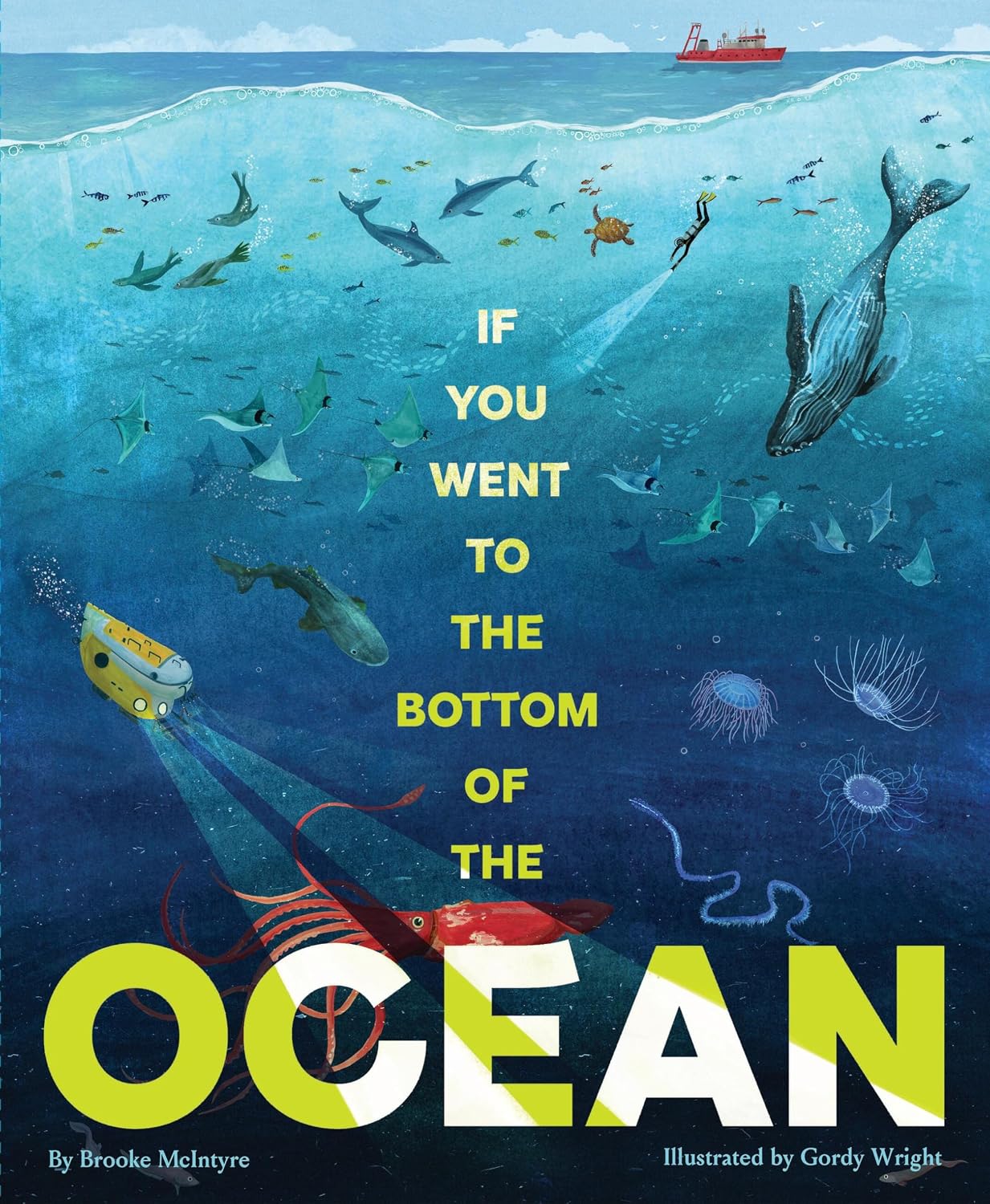
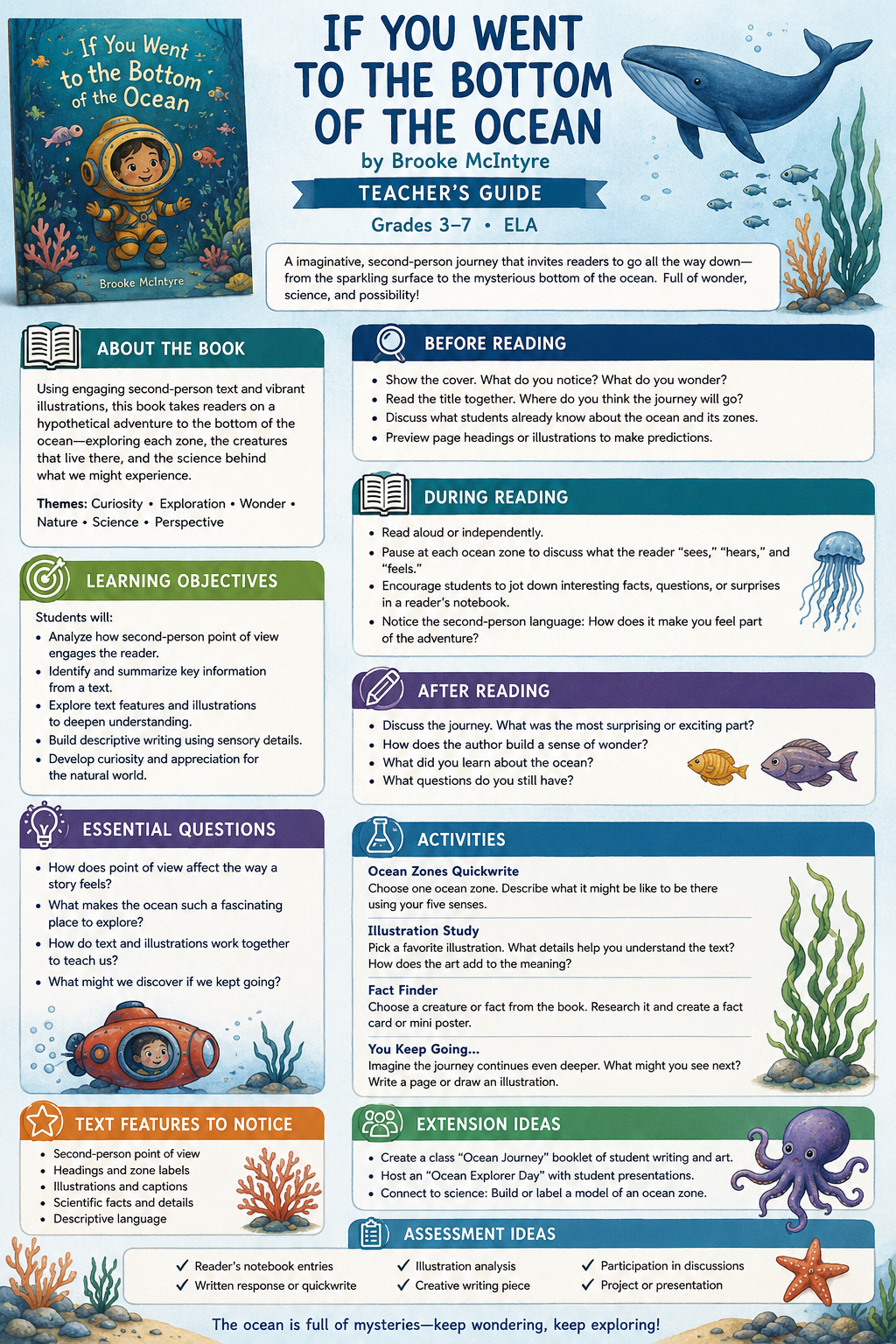
If You Went to the Bottom of the Ocean
by Brooke McIntyre
Take a deep-dive into second-person text and vibrant illustrations as this book takes you, the reader, on an adventure to the bottom of the ocean to explore each zone, the creatures that live there, and the science behind what might be experienced as creatures of the deep.
Big Idea: This book shows how curiosity, observation, and asking questions can lead to new discoveries about places we rarely get to see.
Discussion Questions
- How does point of view affect the way a story feels?
- What makes the ocean such a fascinating place to explore?
- How do text and illustrations work together to teach us?
- What might we discover if we kept going?
ACTIVITY: "Ocean Journey"
Create an "Ocean Journey" booklet of student writing and art. Choose a creature of the deep and draw and share what makes it most interesting.
Day 9 - Being Brave
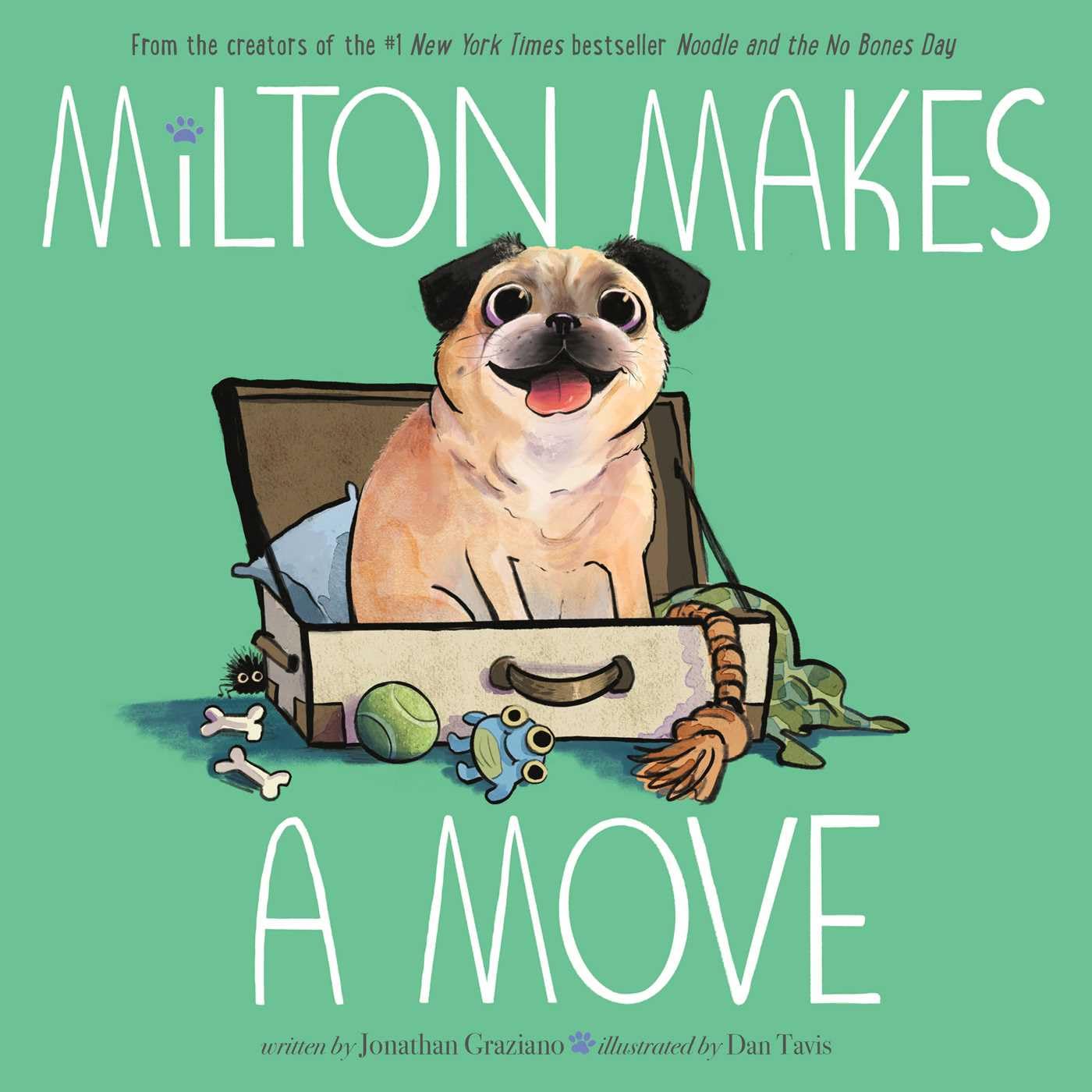
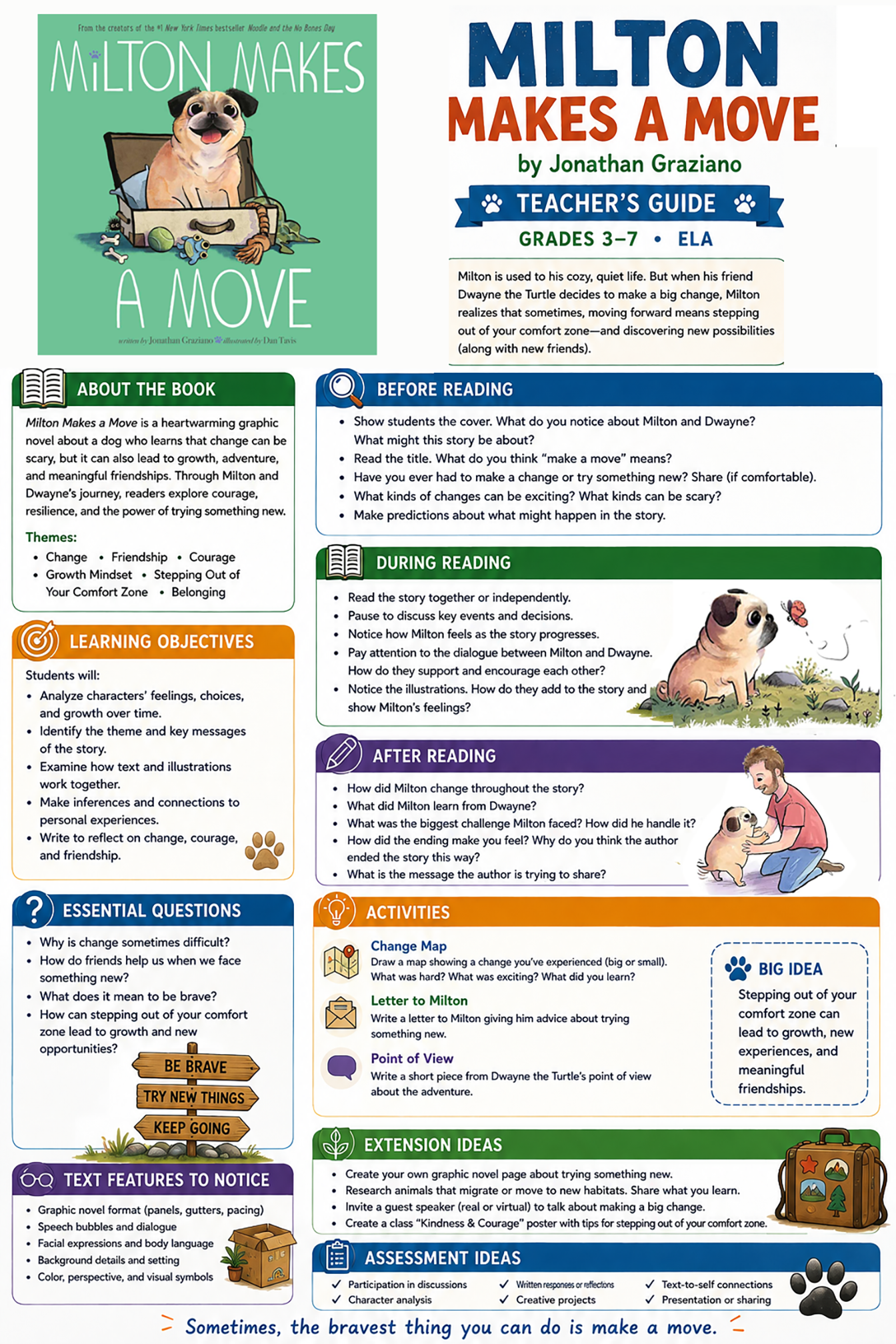
Milton Makes A Move
by Jonathan Graziano
When Milton finds out he’s moving to a new home of his own, he packs his tiny suitcase (ball, duck, bone) and does his best to be brave. When he meets his new human, Jonathan, he's surprised his human seems nervous too! But this little similarity helps Milton embrace his brave and give new friends a chance.
Big Idea: Stepping out of your comfort zone can lead to growth, new experiences, and meaningful friendships.
Discussion Questions:
- How did Milton change throughout the story?
- What did Milton learn from Dwayne?
- What was the biggest challenge Milton faced? How did he handle it?
- How did the ending make you feel? Why do you think the author ended the story this way?
- What is the message the author is trying to share?
ACTIVITY: Letter to Milton
Write a letter to Milton, sharing your advice about trying something new. What should he try and why?
Day 10 - What is a Tar Pit?
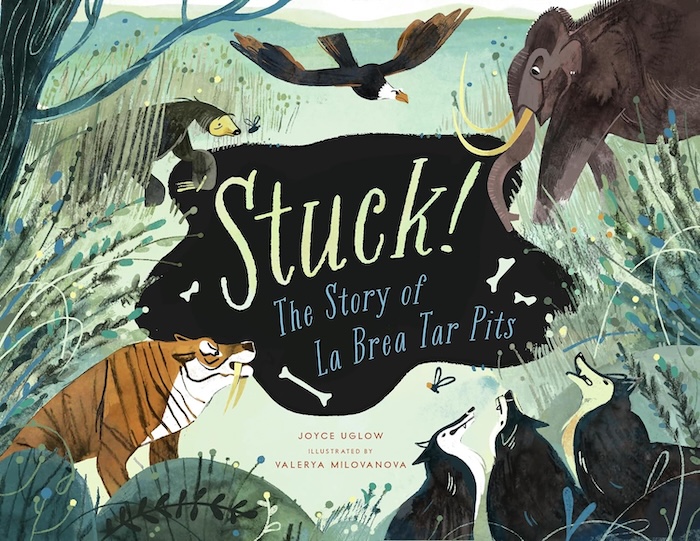
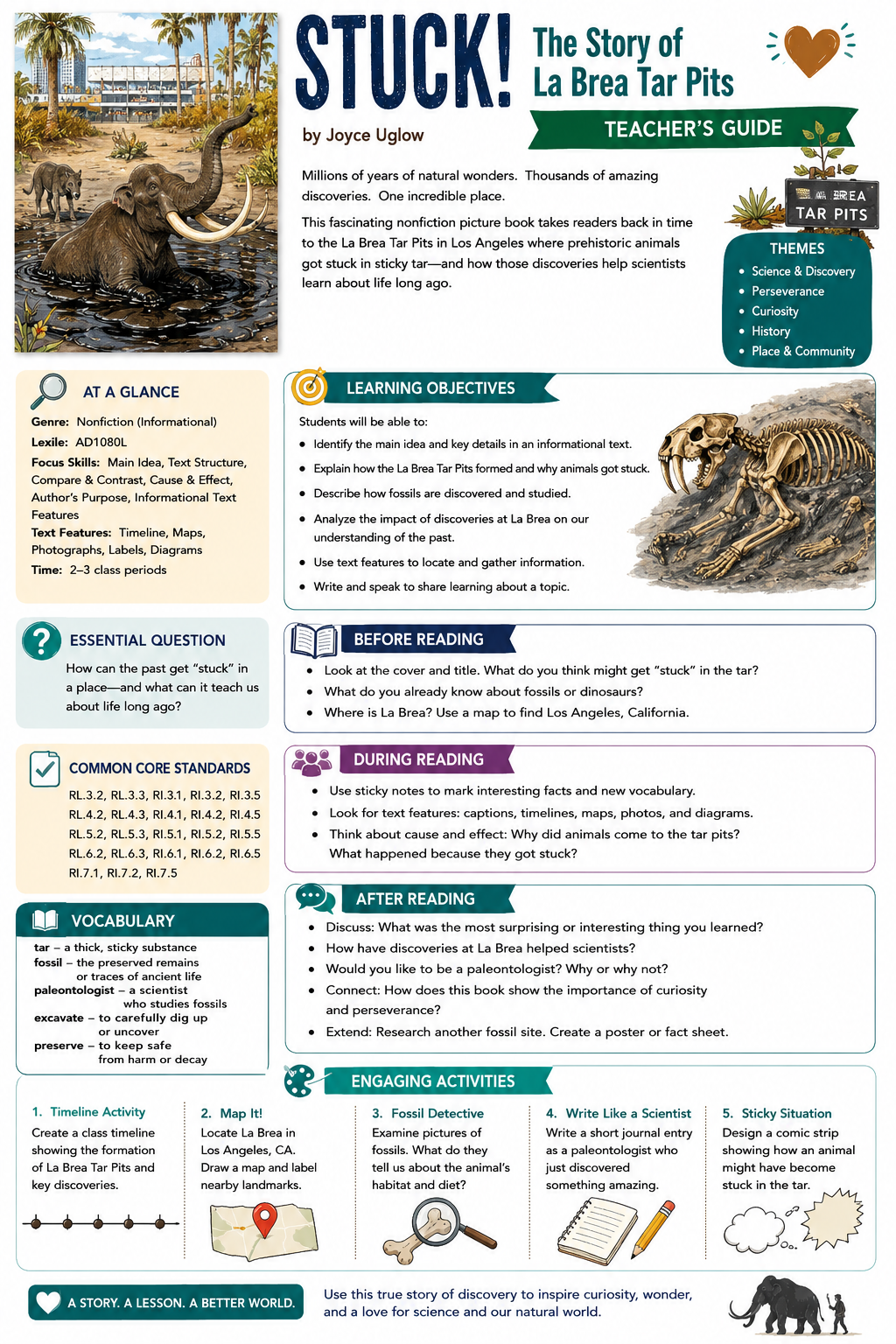
Stuck! The Story of La Brea Tar Pits
by Joyce Uglow
This book unfolds the brilliant, creative non-fiction, and poetical exploration surrounding the history and little-known origins of the Ice Age and La Brea Tar Pits and shares what scientists are learning about climate change. Experience it now!
Big Idea: The La Brea Tar Pits show how evidence from the past can help us understand ancient life, changing environments, and the world we live in today.
Discussion Questions:
- What was the most surprising or interesting thing you learned?
- How have discoveries at La Brea helped scientists?
- Would you like to be a paleontologist? Why or why not?
- Connect: How does this book show the importance of curiosity and perseverance?
ACTIVITY: Sticky Situation
Design a comic strip showing how an animal might have become stuck in the tar.
Day 11 - Making A Difference
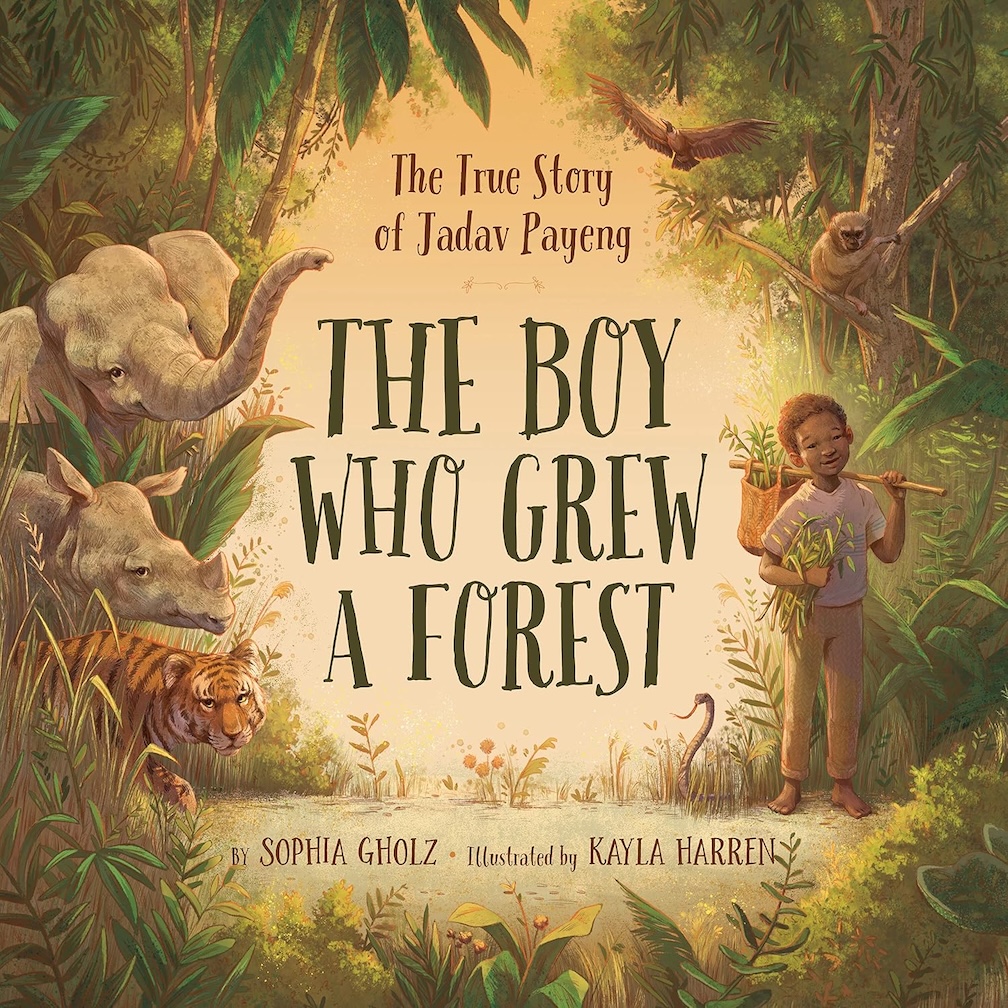
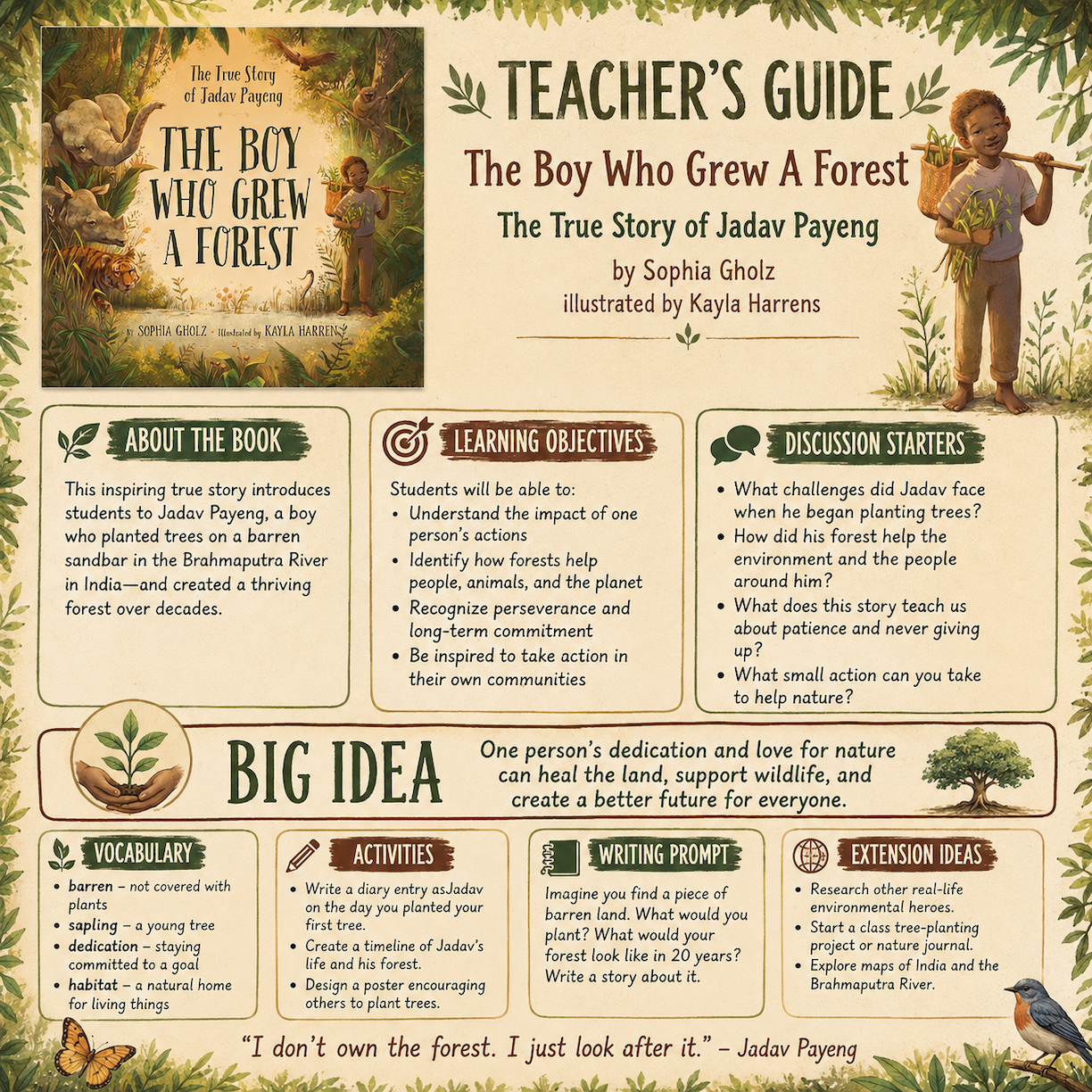
The Boy Who Grew A Forest, The True Story of Jadav Payeng
by Sophia Gholz
When Jadav Payeng noticed a barren piece of land with hints of struggling wildlife, he started planting bamboo. Every day, he sowed new and solved water problems while a forest grew to come alive with animals.
Big Idea. One person's dedication and love for nature can heal the land, support wildlife, and create a better future for everyone.
Discussion Questions:
- What challenges did Jadav face when he began planting trees?
- How did his forest help the environment and the people around him?
- What does this story teach us about patience and never giving uр?
- What small action can you take to help nature?
ACTIVITY: Write About It!
Imagine you find a piece of barren land. What would you travel as far as Jadav does to plant? What would you hope your forest would look like in 20 years?
Write a story about it.
Day 12 - Achieve Dreams
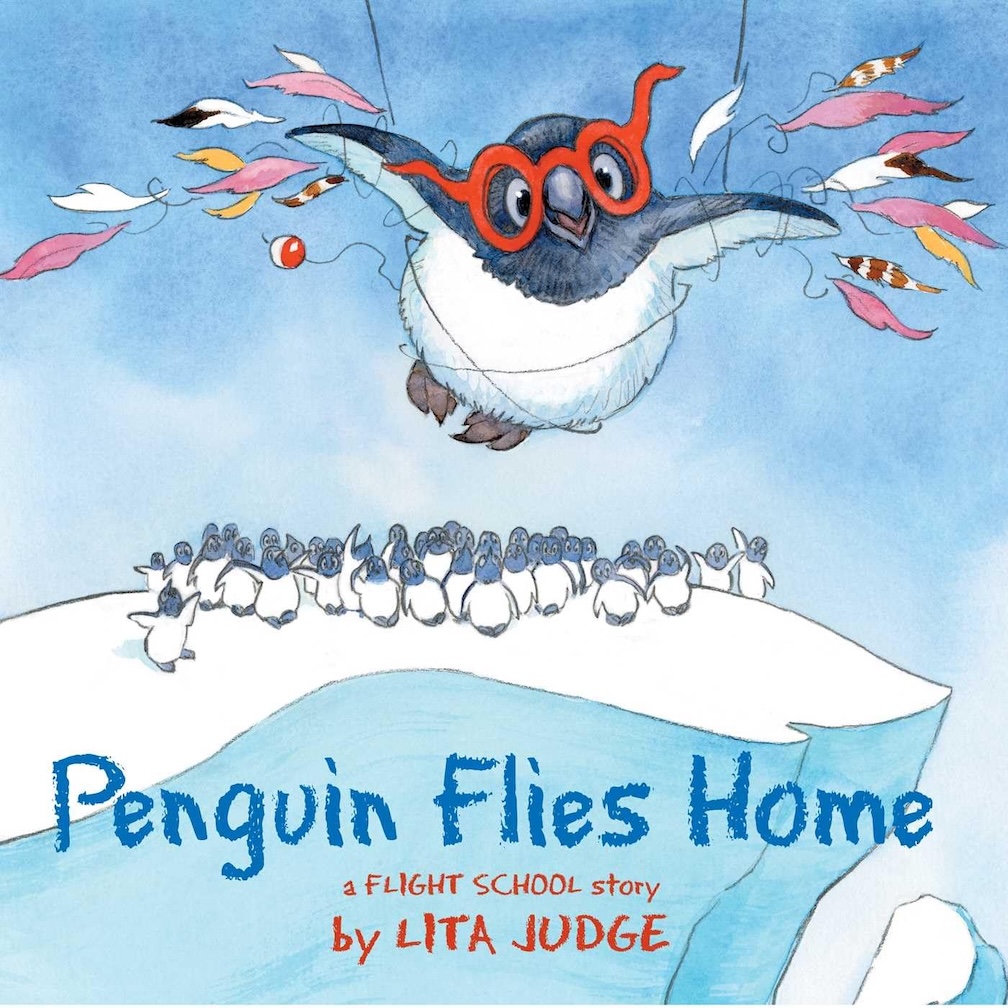
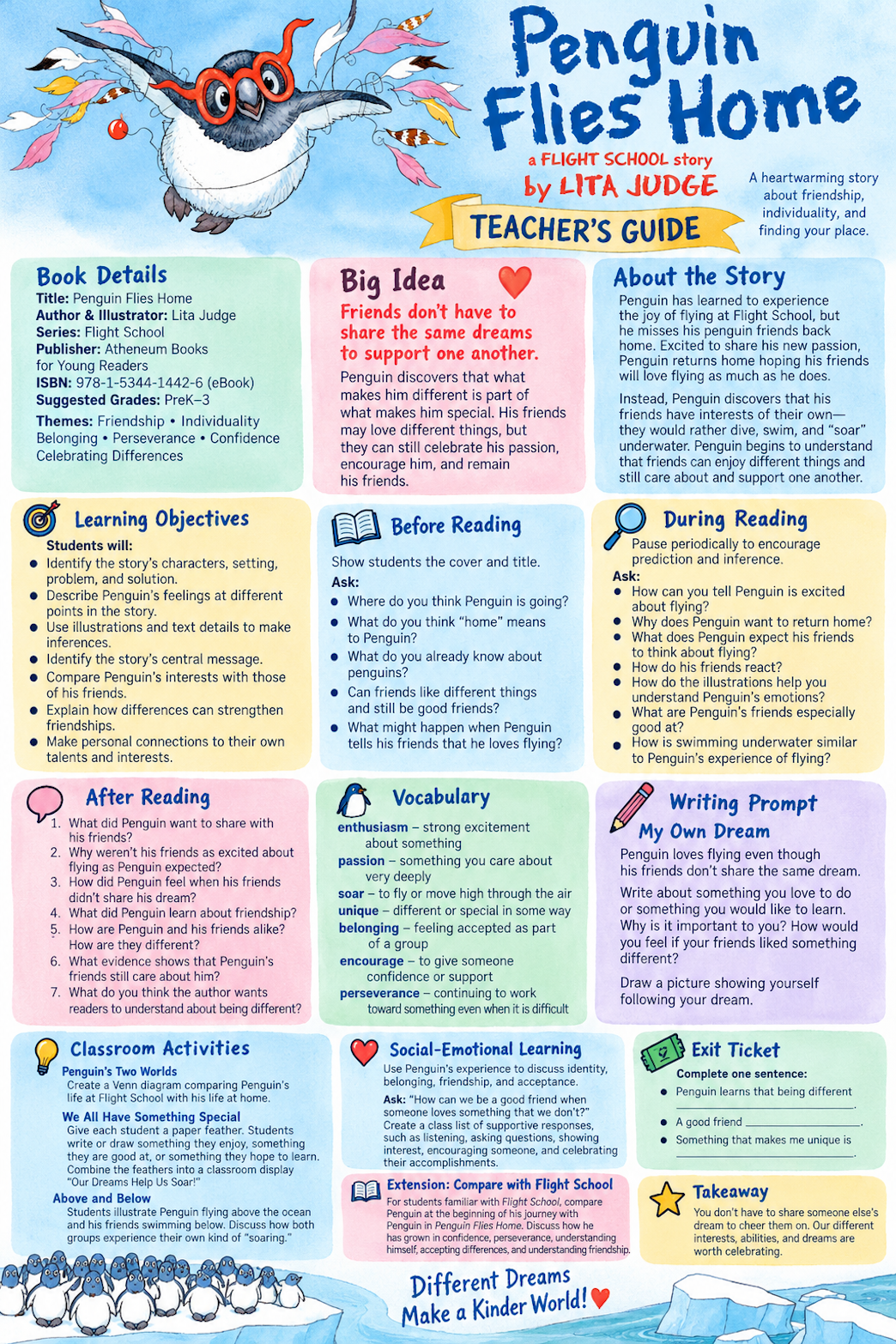
Penguin Flies Home
by Lita Judge
When a little Penguin decides he loves "everything about flying: the wind beneath his wings, the song that rises from his belly, and the sight of new and wonderful places" he embraces what he learned in Book One, Flight school (a must read!) and allows his soul of an eagle" to carry him home to school others on the joy of aviation delights.
Big Idea. Courage, kindness, and teamwork help us overcome challenges and achieve our dreams.
Discussion Questions:
- What challenges did Penguin face?
- How did the penguins he flew home to respond to his love of flight?
- What does this story teach us about never giving up?
- How did the many Penguins come to accept Penguin?
- What did we learn about Dreams and Friendship in this story?
ACTIVITY: Penguin, Please Love Swimming.
Watch Lita Judge's Making of Penguin Flies Home and Penguins in Peril. If you were given the change to convince Penguin to embrace his inner swimmer, what would you say?
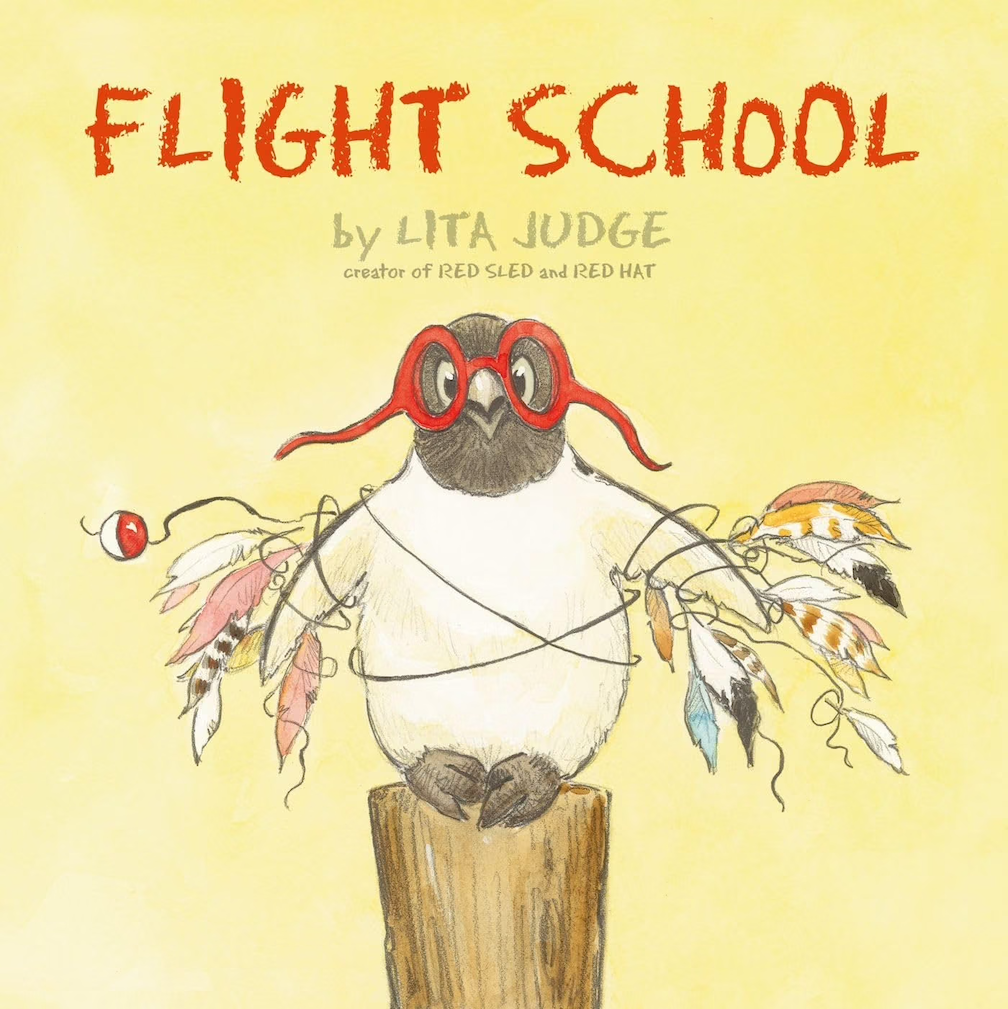
Loved this title, you might dare to start from the beginning and share Flight School First. The original story of a Penguin who has the spirit of an Eagle and longs to fly!
Day 13 - Appreciating Small
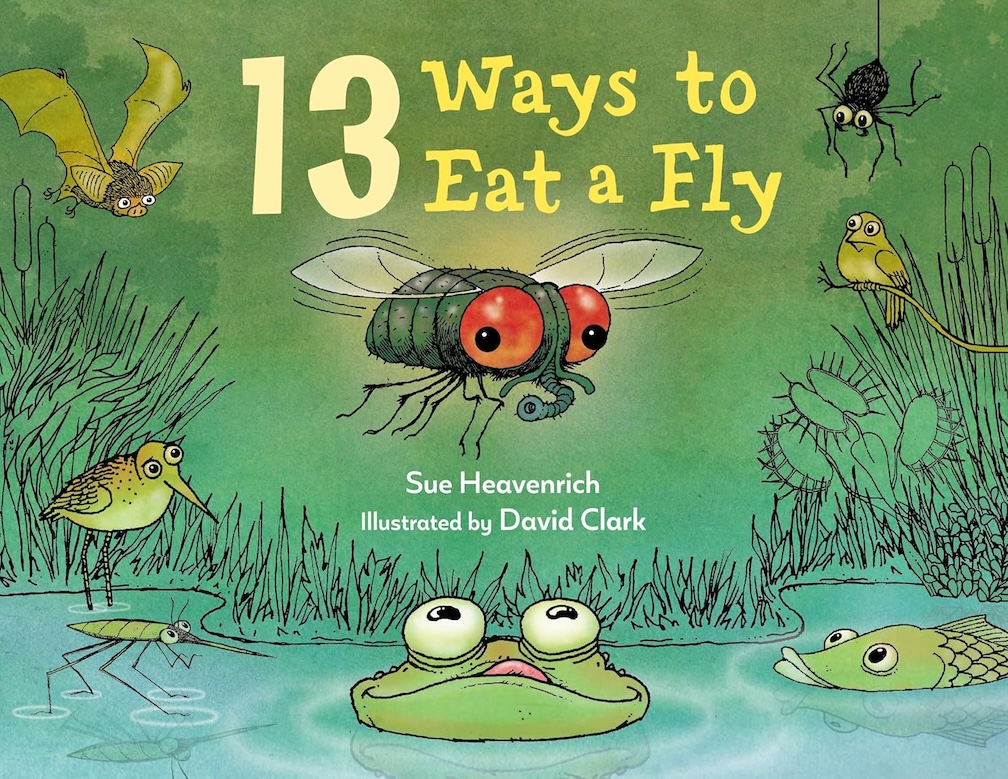
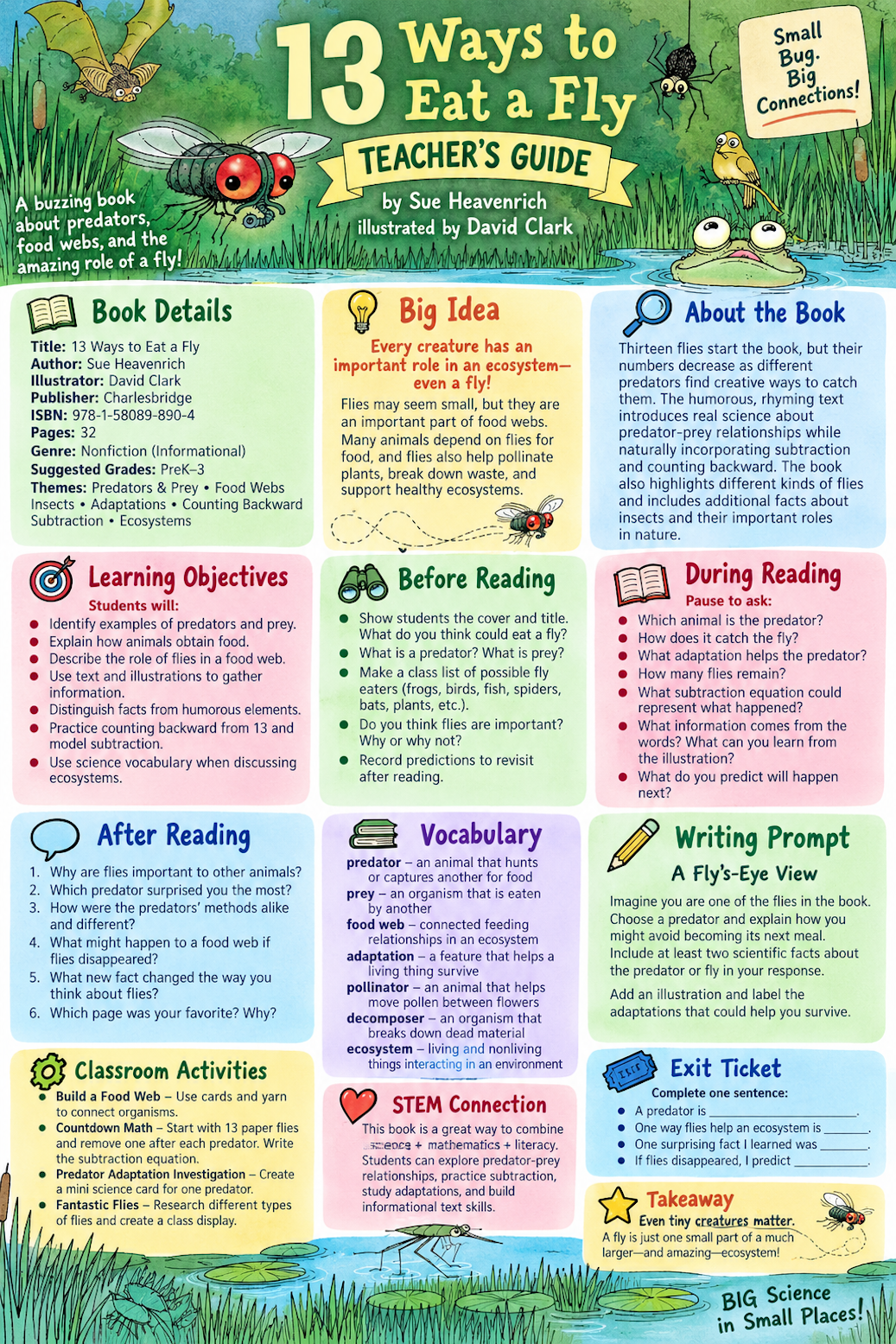
13 Ways to Eat a Fly
by Sue Heavenrich
Is a fly just a fly—or is a fly and important part of an ecosystem that supports all living creatures? Let's explore.
Big Idea. Every Creature has an important role in an ecosystem—even a fly!
Discussion Questions:
- Why are flies important to other animals?
- Which predator surprised you the most?
- How were the predators' methods alike and different?
- What might happen to a food web if flies disappeared?
- What new fact changed the way you think about flies?
- Which page was your favorite? Why?
ACTIVITY: Fly's-Eye View
Imagine you are one of the flies in the book and you have to check out a library book. Draw a picture of what book you might choose.
Day 14 - Mistakes Can Be Delicious
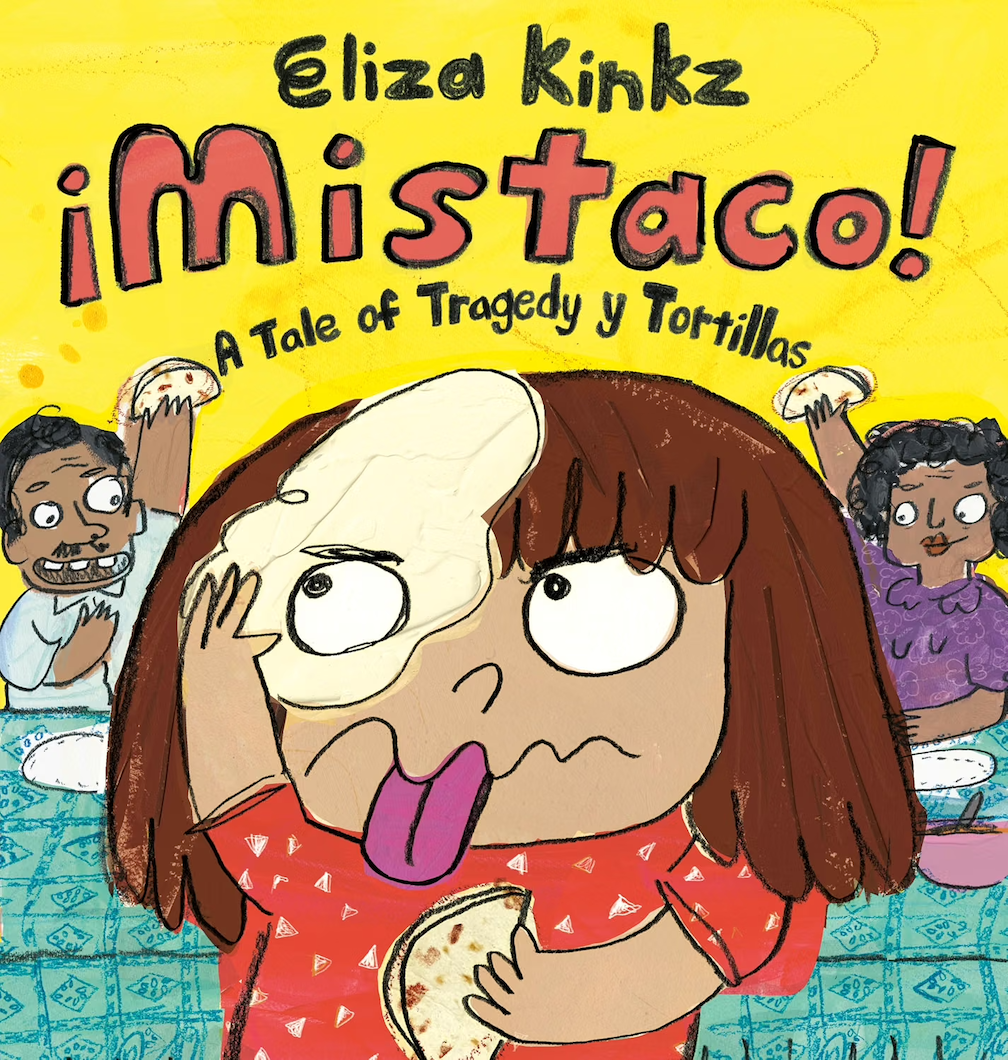
¡Mistaco! A Tale of Tragedy y Tortillas
by Eliza Kinkz
Love the idea of good things coming from mistakes. There are a whole lotta little perfectionists these days and oopses are a great thing to embrace.
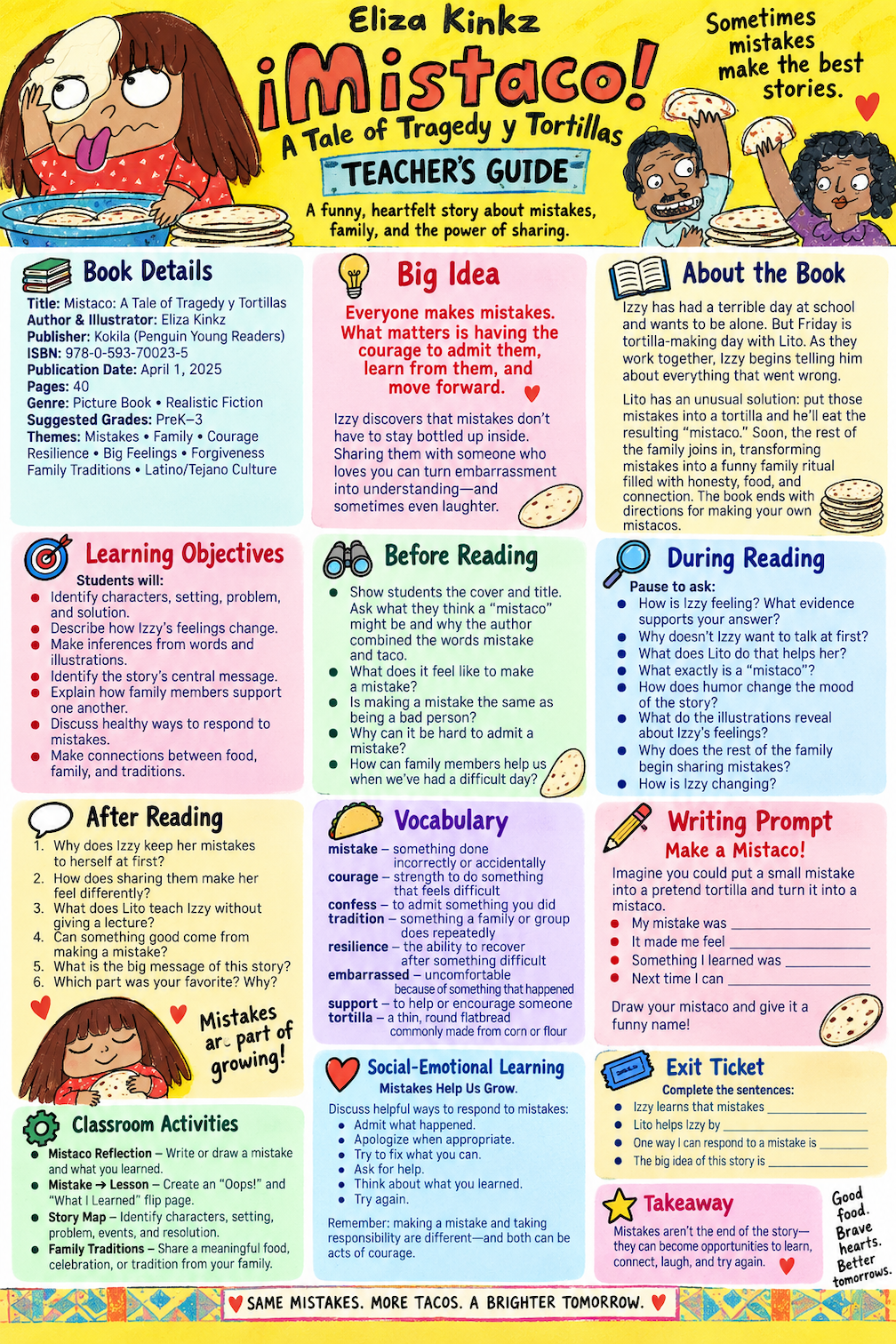
When Izzy has a terrible day at school, she wants to be alone. But it's tortilla-day with Lito. When Izzy shares her mistakes, Lito starts cooking them into a tortilla so they can eat “mistacos.”
Big Idea. Everyone makes mistakes. What matters is having the courage to admit them, learn from them, and move forward.
Discussion Questions:
- How is Izzy feeling?
- Why doesn't Izzy want to talk at first?
- What does Lito do that helps her?
- What exactly is a “mistaco”?
- How does humor change the mood of the story?
- What do the illustrations reveal about Izzy's feelings?
- Why does the rest of the family begin sharing mistakes?
- Can something good come from making a mistake?
ACTIVITY: Make a Mistaco!
Imagine you could put a small mistake into a pretend tortilla and turn it into a mistaco.
Write or draw:
My mistake was ______________________________.
It made me feel ______________________________.
Something I learned was _______________________.
Next time I can _______________________________.
Students can then draw their imaginary mistaco and give it a funny name.
Day 15 - Fact, Fiction—or Fishy?
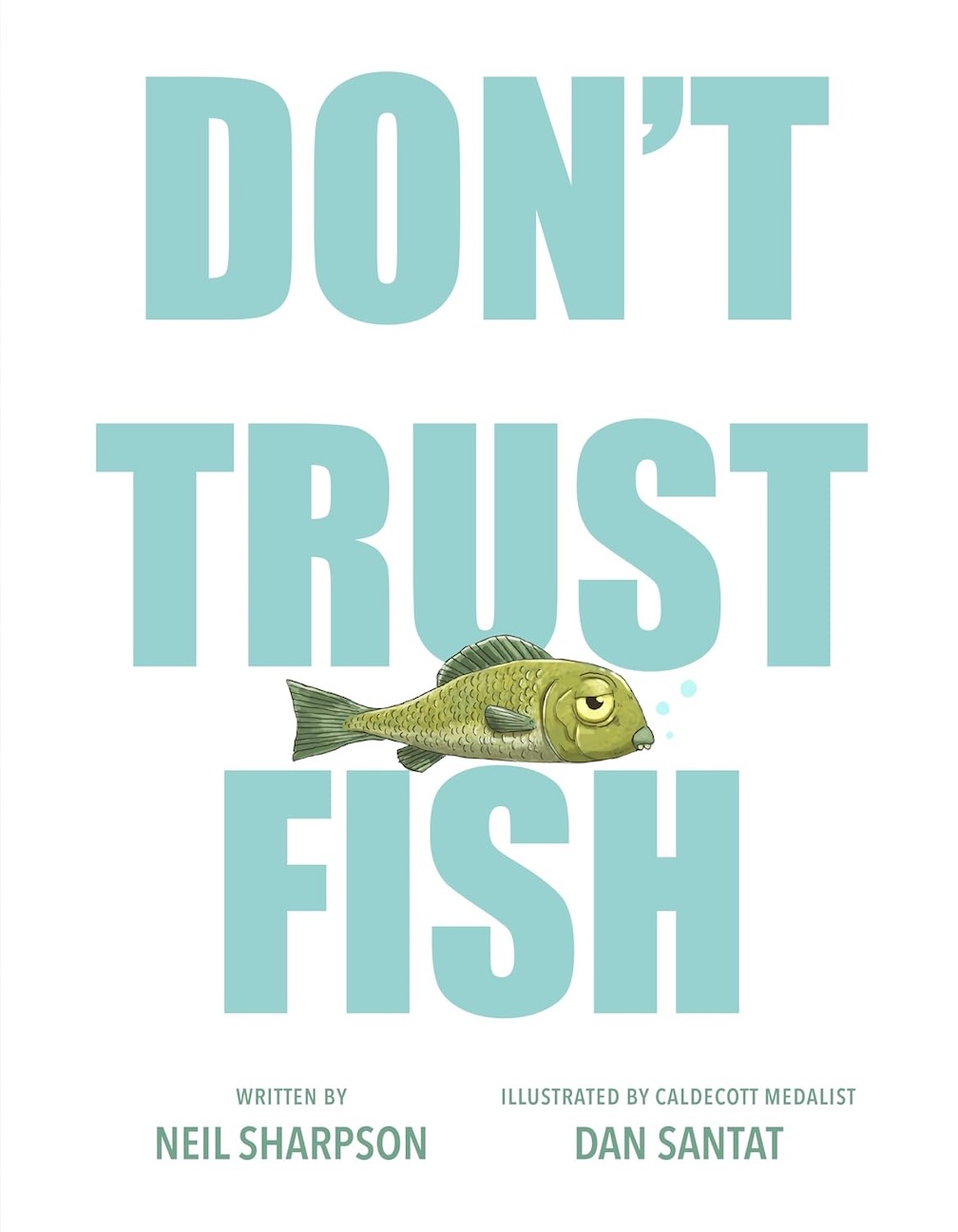
Don't Trust Fish
by Neil Sharpson
Fish hooks readers with the question: Fact, Fiction—or is something smell very Fishy?
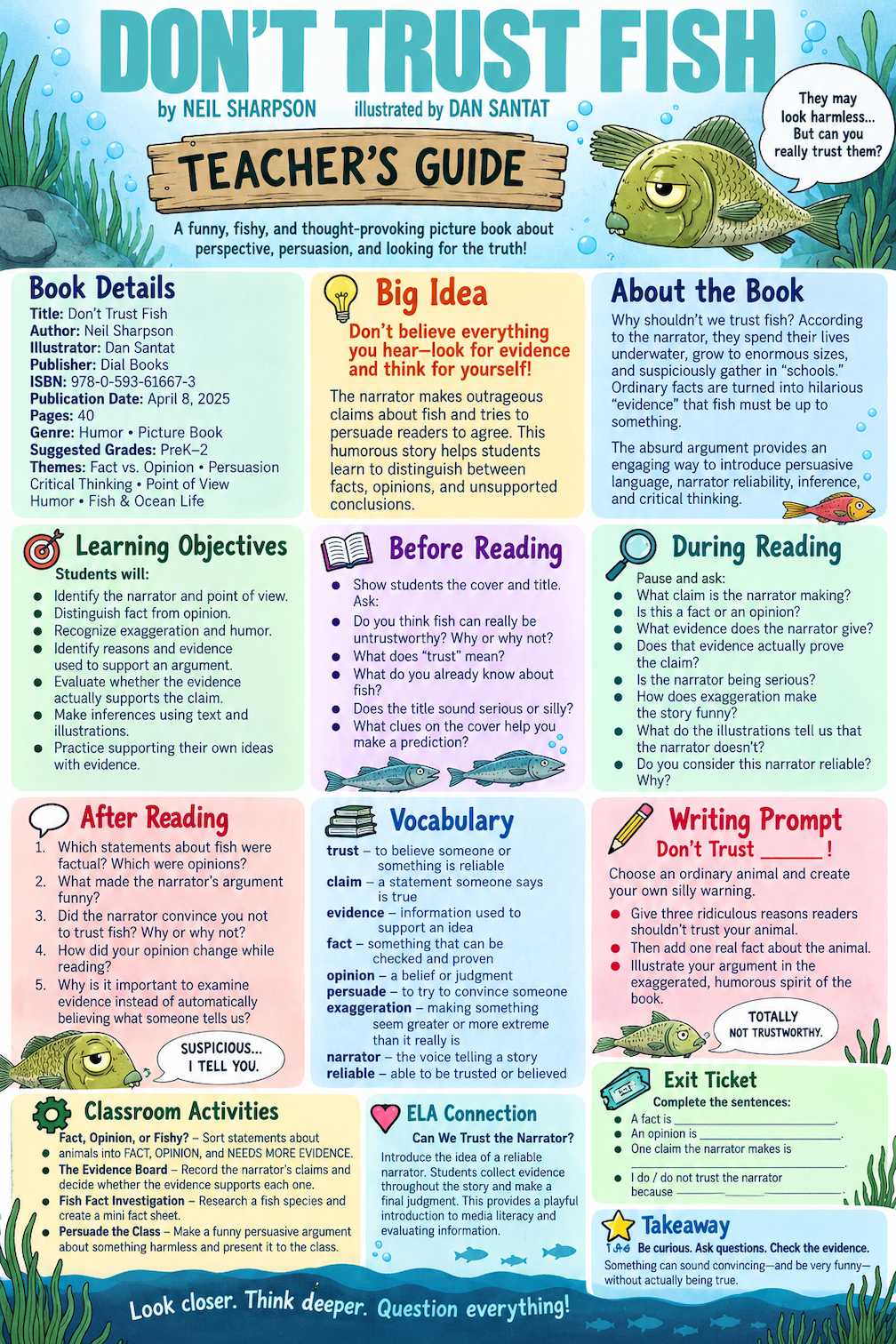
Should we trust fish? According to the narrator, they spend their lives underwater, grow to enormous sizes, and suspiciously gather in "schools."
Ordinary facts are turned into hilarious "evidence" that fish must be up to something.
Big Idea. Don't believe everything you hear-look for evidence and think for yourself!
- Are what about fish were factual? Which were opinions?
- What made the narrator's argument funny?
- Did the narrator convince you not to trust fish? Why or why not?
- How did your opinion change while reading?
- Why is it important to examine evidence instead of automatically believing what someone tells us?
ACTIVITY: Fish Fact Fun
Research a fish and create a fact sheet with drawing that presents the Facts, the Fiction—and the very Fishy. Then, gamify to let others guess what is Truth or Fiction.
Day 16 - Composting Cookout
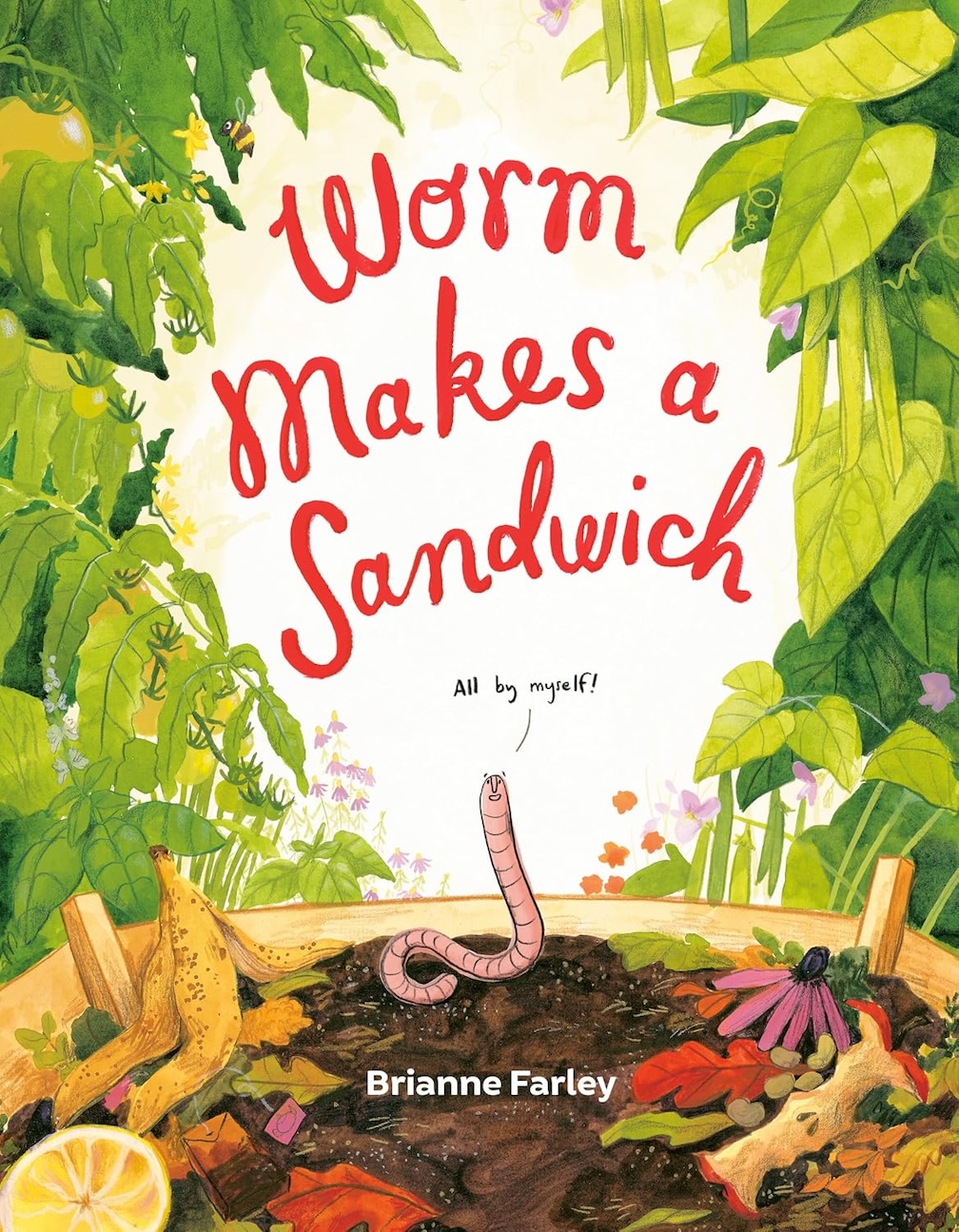
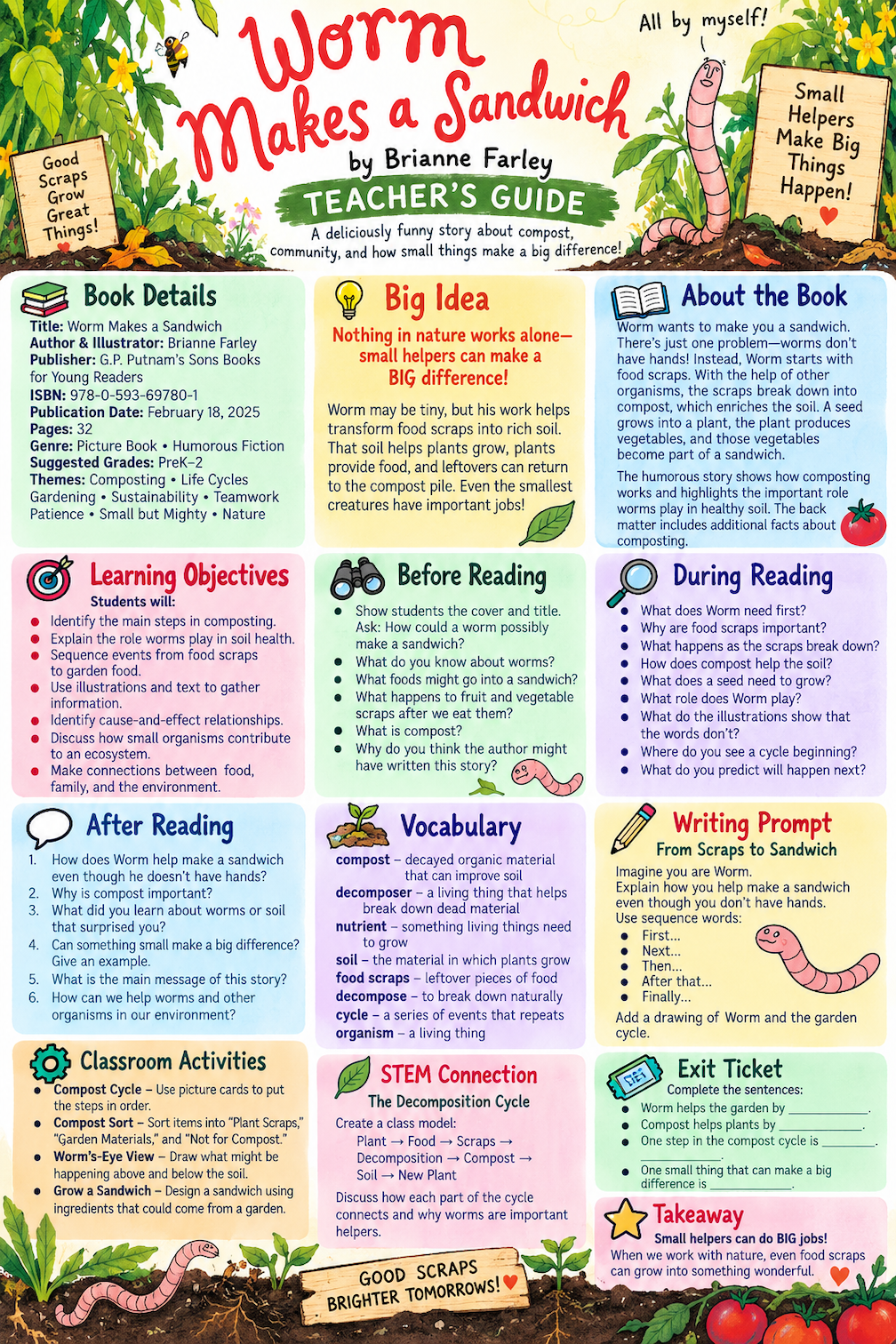
Worm Makes A Sandwich
by Brianne Farley
This book is an absolute favorite. Funny, Informative, and just pure science meets tiny-life-adventures.
You see, Worm wants to make you a sandwich. But, he's a worm—and worms don't have hands!
So, Worm begins with food scraps and organisms that break down plant materials and becomes composting that enriches the soil that grows the plant, that makes the vegetables that can become your sandwich.
Big Idea. Nothing in nature works alone—small helpers can make a BIG difference!
Discussion Questions:
- How does Worm help make a sandwich even though he doesn't have hands?
- Why is compost important?
- What did you learn about worms or soil that surprised you?
- Can something small make a big difference?
- What is the main message of this story?
- How can we help worms and other organisms in our environment?
ACTIVITY: Worm Vs Waste
Watch the TedEd Video, "How Worms Can Reduce Our Waste," and take the quiz.
Day 17 - Abundance
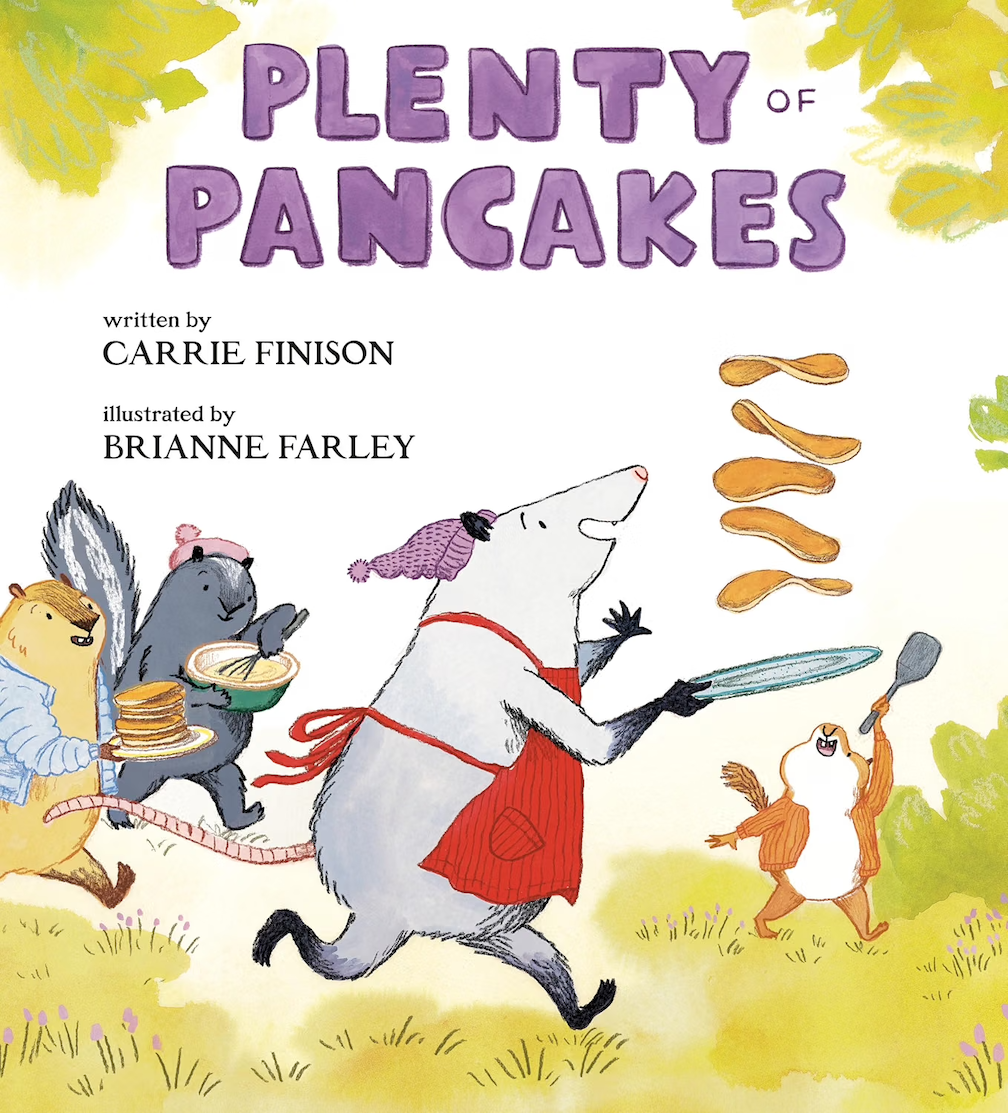
Plenty of Pancakes
by Carrie Finison
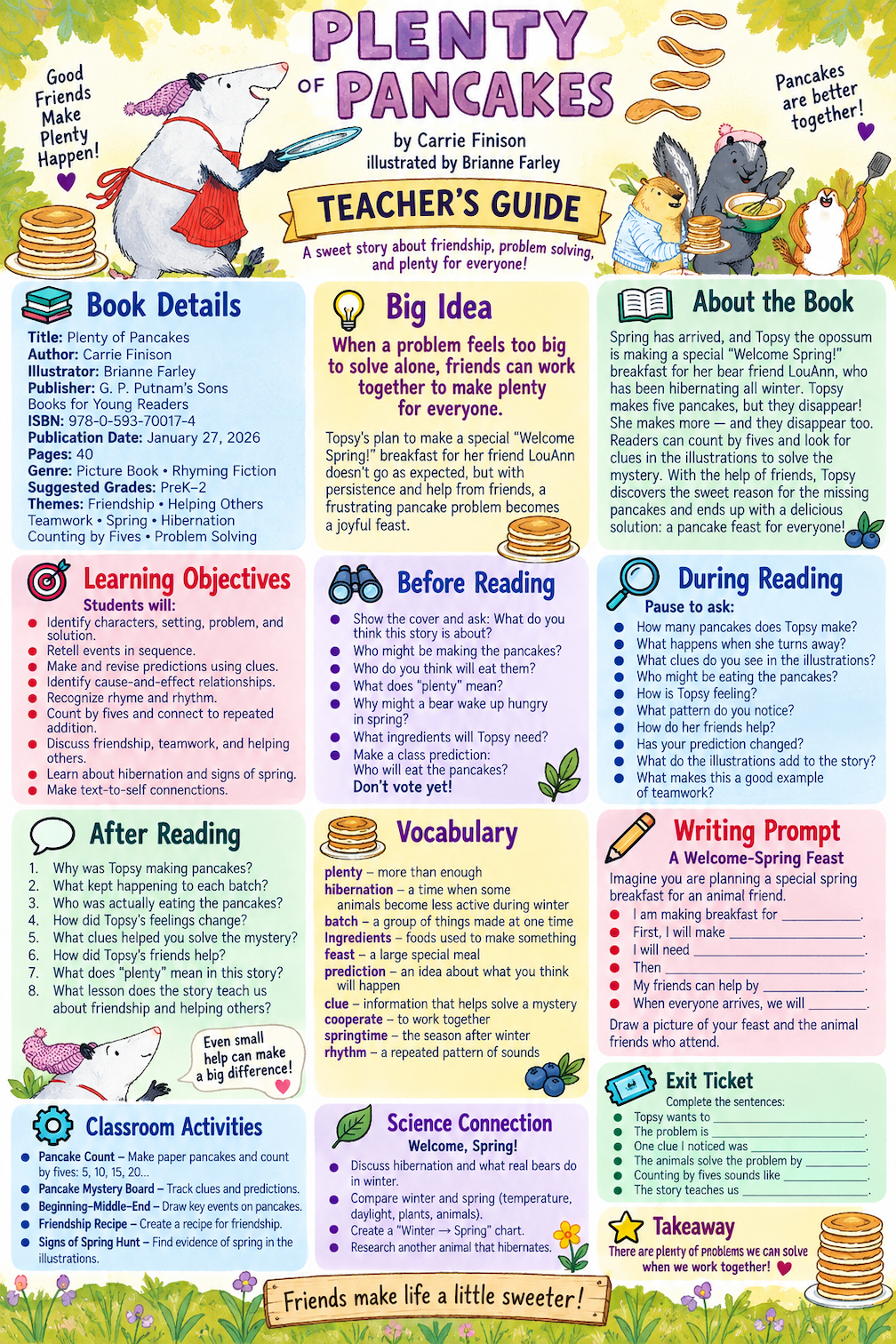
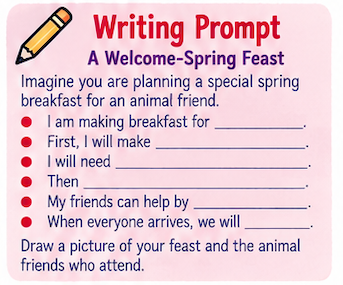
Spring has arrived, and Topsy the opossum prepares a special “Welcome Spring!” breakfast for Bear, LouAnn, who has been hibernating all winter. Topsy gathers milk, eggs, berries, and syrup and cooks five pancakes...
...that go missing.
Not once. Twice. And find a couple of cute, cuddly reasons why.
Big Idea. When a problem feels too big to solve alone, friends can work together to make plenty for everyone.
Discussion Questions:
- Why was Topsy making pancakes?
- What kept happening to each batch?
- How does Topsy feel and what clues helped you solve the mystery?
- How do Topsy's friends help her?
- Why did the Author chose "plenty" for this story's title?
ACTIVITY: Write About It!
Day 18 - Comparisons
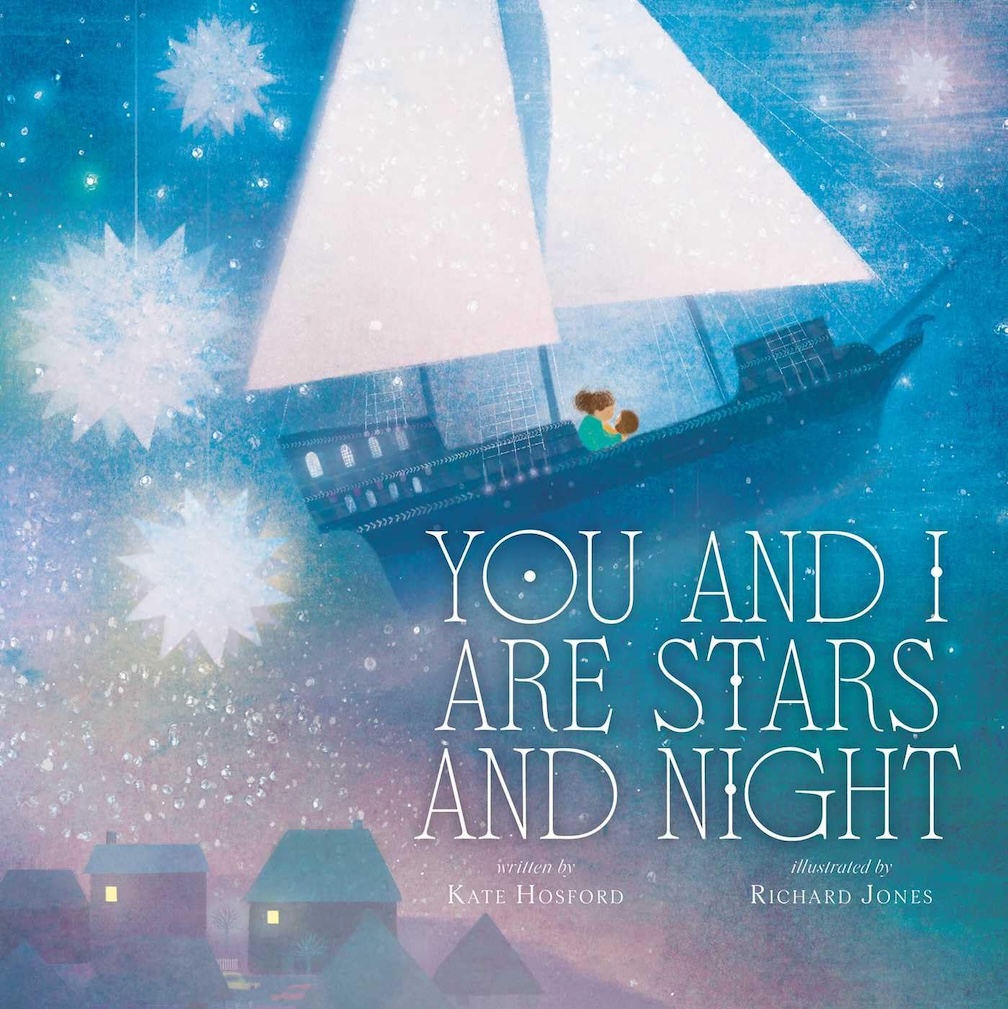
You And I Are Stars And Night
by Kate Hosford
The world of times spins into a series of comparisons as a mother and child fork and spoon, ebb and flo, hide and seek, blue and sky, as the whole world of a day darkens to bright stars at night and the promise it will begin again... all connected.
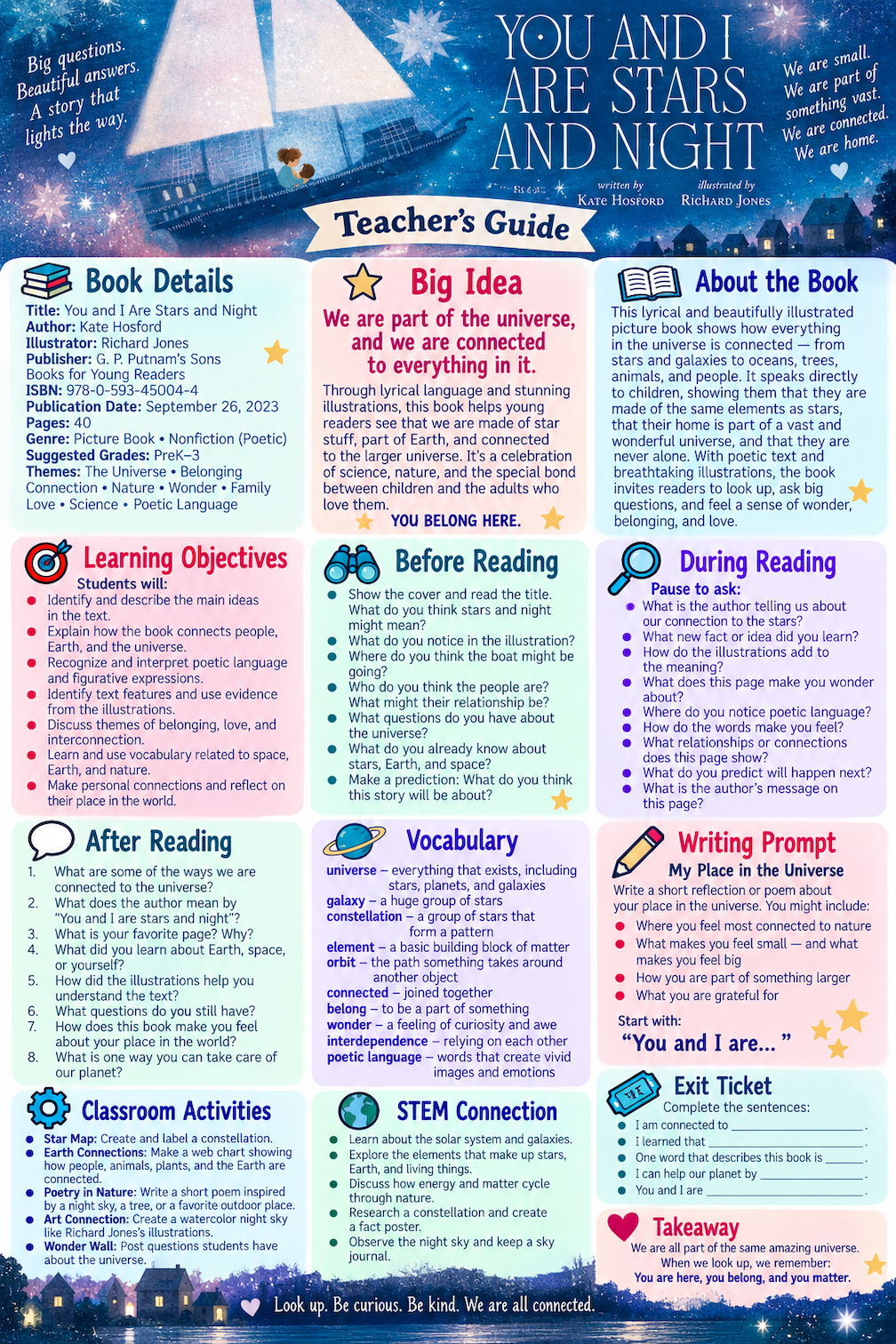
Big Idea. We are part of the universe, and we are connected to everything in it.
Discussion Questions:
- What are some of the ways we are connected to the universe?
- What does the author mean by
"You and I are stars and night"? - What is your favorite page?
- What did you learn about Earth, space or yourself?
- How did the illustrations help you understand the text?
- What questions do you still have?
- How does this book make you feel about your place in the world?
- What is one way you can take care of our planet?
ACTIVITY: Acrostic Poem Place
Use your favorite outdoor word like sky, tree, pond, fish, rock, etc. and write a poem. Or create rock art.
R ound and ready for
O pen hands to pick up,
C reate art,
K nowing you were here!
Day 19 - Dino-sized Differences
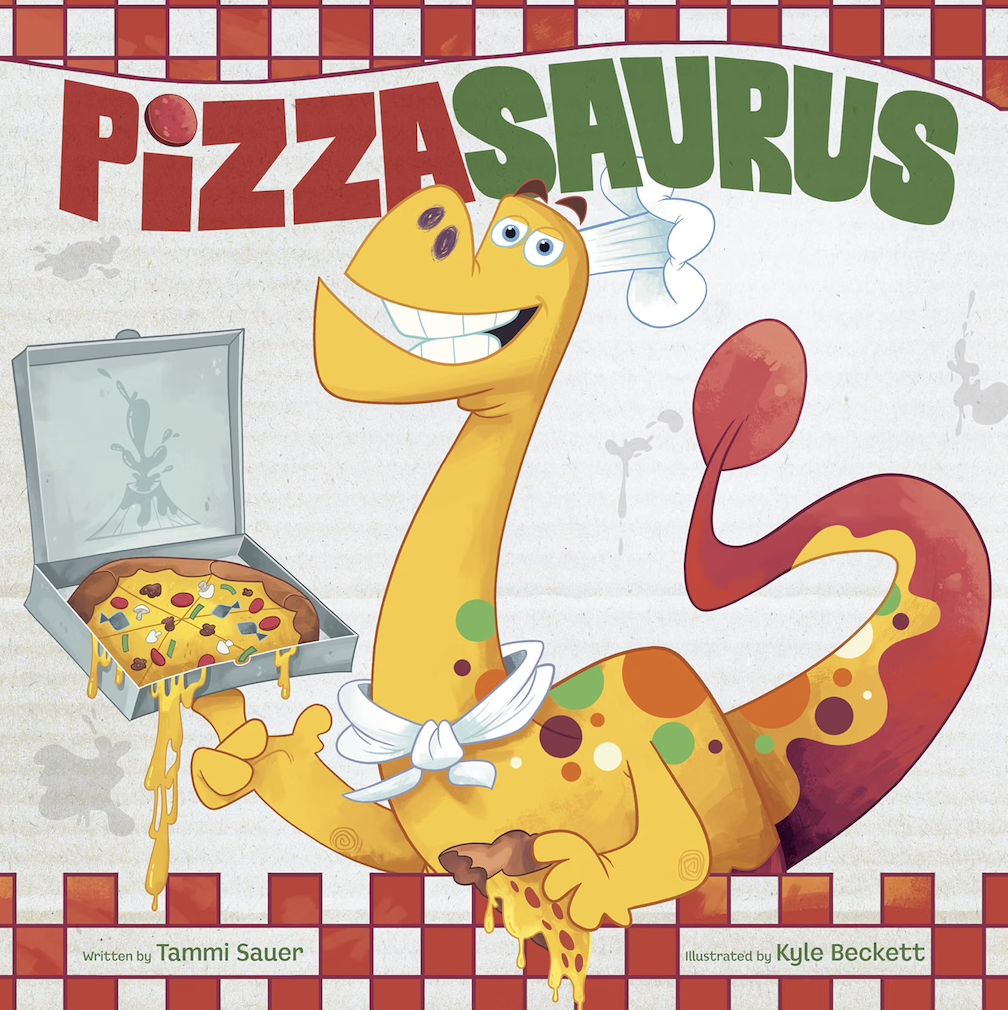
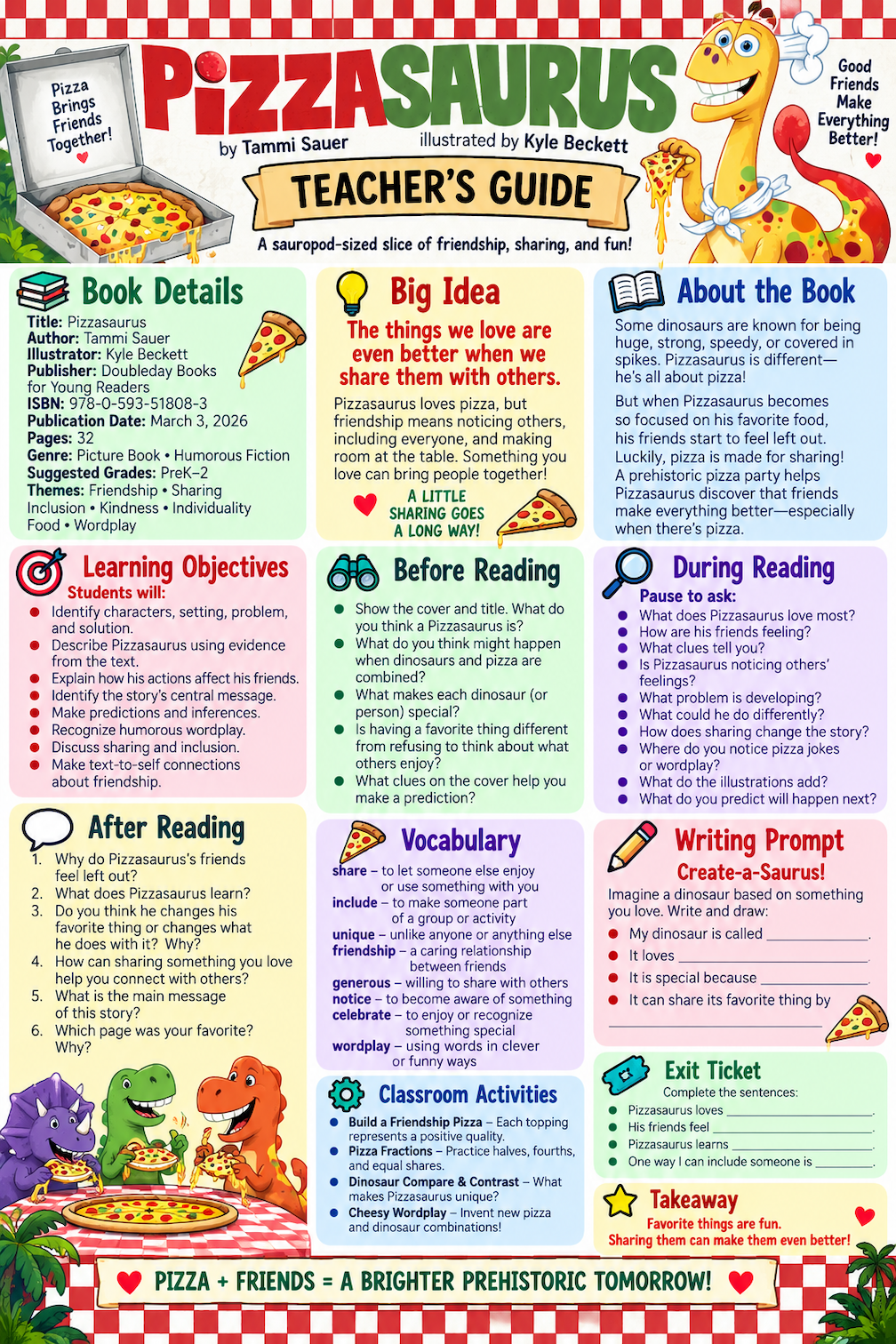
Pizzasaurus
Some dinosaurs are huge, some strong, some speedy, but, once in a while, one comes along that's different.
Meet Pizzasaurus.
He's all about pizza!
When Pizzasaurus focuses on his favorite food, his friends feel left out. Fortunately, pizza is best topped off with sharing at a prehistoric pizza party that just might turn a favorite munch-chee-chee into the best gift of all: friendship and inclusion.
Big Idea. The things we love are even better when we share them with others.
Discussion Questions:
- Why do Pizzasaurus's friends feel left out?
- What does Pizzasaurus learn?
- Do you think he changes his favorite thing or changes what he does with it? Why?
- How does sharing something you love help others connect with you?
- What is the main message of this story?
- What page or scene was your favorite?
ACTIVITY: Cheesy Creations
Create a new dino-food star you might use to write a new story. Feel free to draw it out.
Day 20 - Two Sides, U-Choose
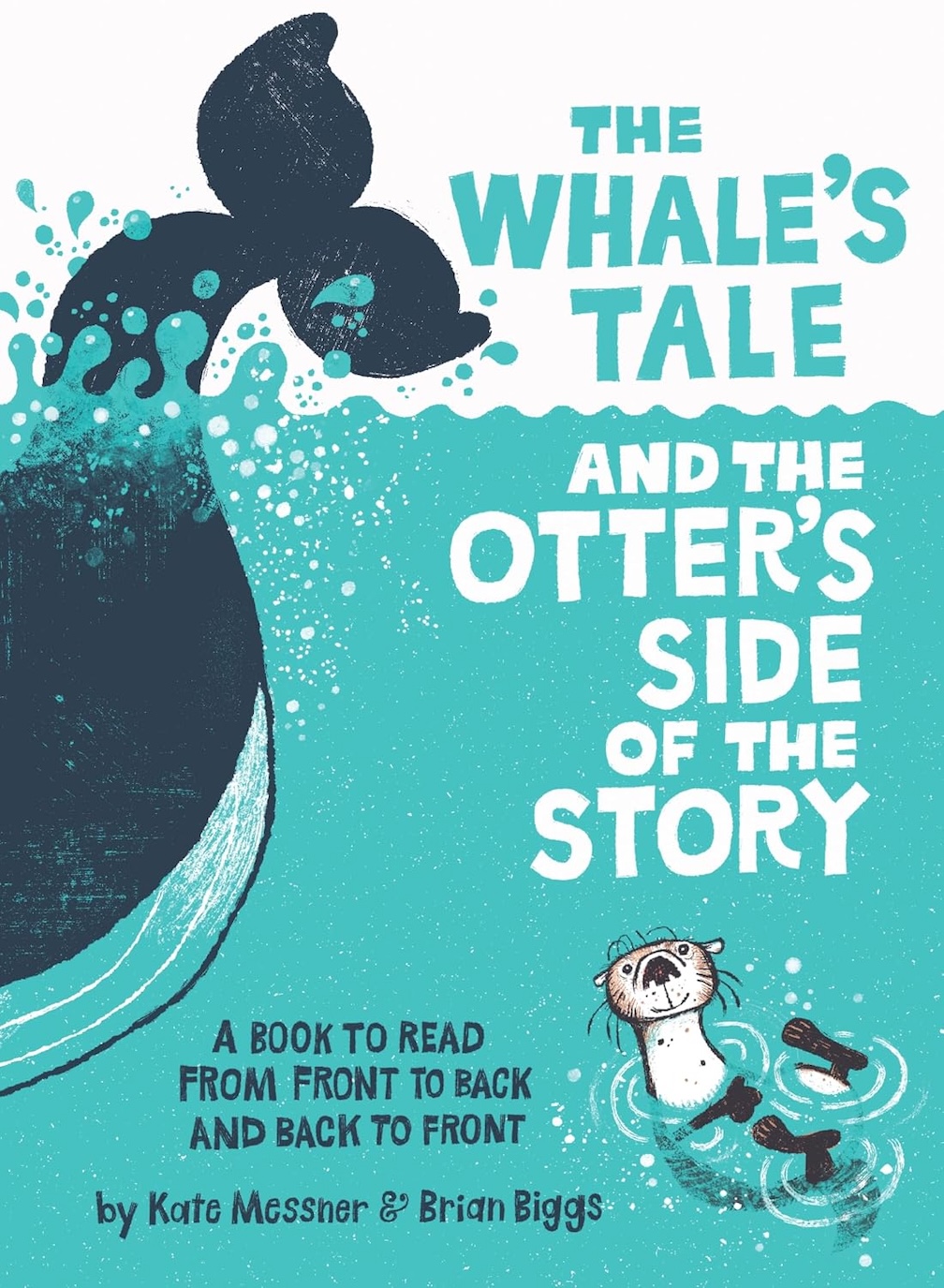
The Whale's Tale and the Otter;s Side of the Story
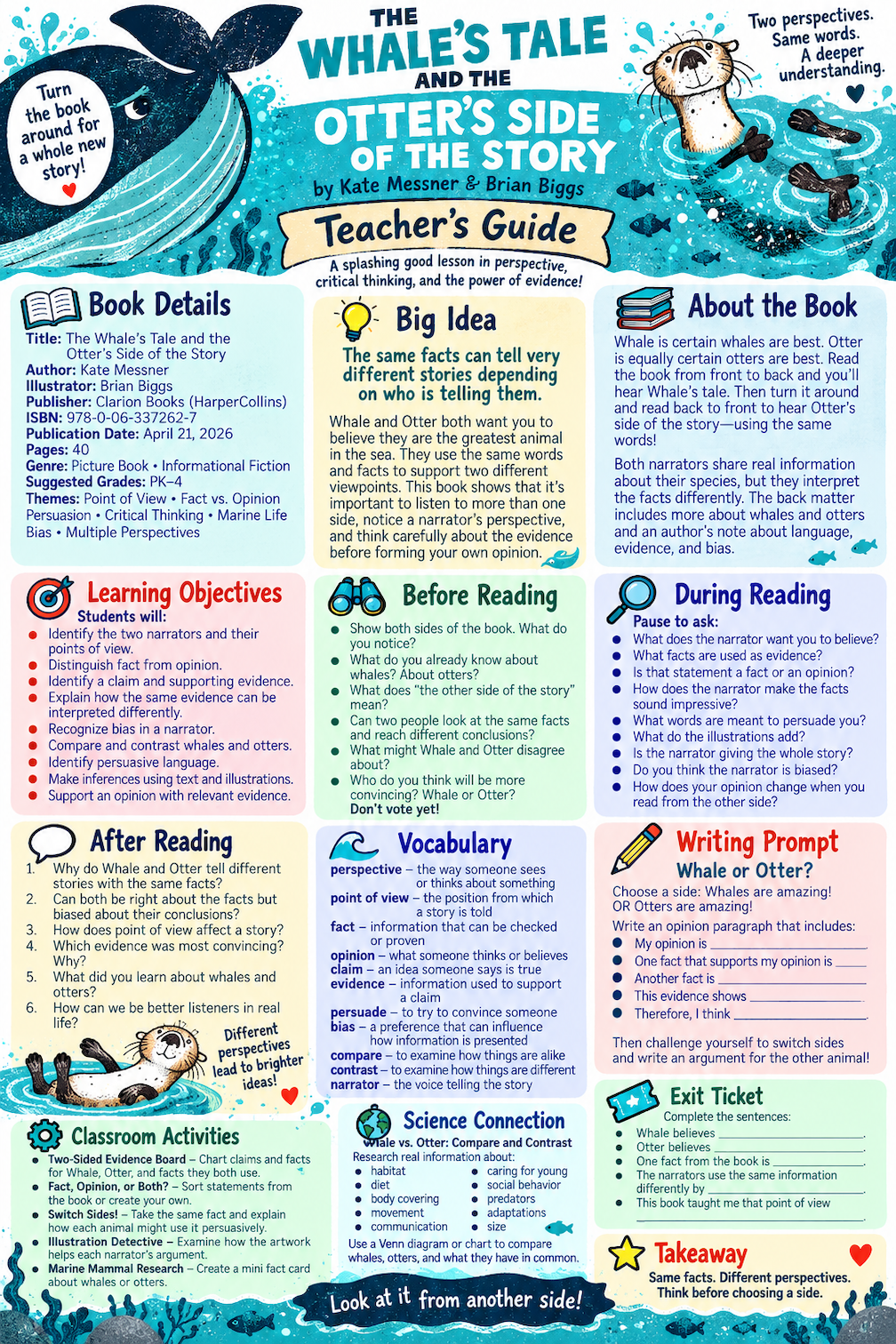
Whale is certain whales are best. Otter is equally certain otters are best.
Read the book front to back, and Whale makes the case for whales. Reach the end, turn around, and read back to front—and suddenly Otter uses those same words to make a completely different argument.
Both narrators draw on real species information. Whale boasts whales communicating through song and working together, while Otter highlights caring for young and resting together. Which flipped opinion is right?
Big Idea. The same facts can tell very different stories depending on who is telling them.
Whale's Discussion Questions:
As you read in Whale's direction, pause to ask:
- What does Whale want us to believe?
- What fact does Whale use as evidence?
- Is that statement a fact or an opinion?
- How does Whale make the fact sound impressive?
- What words are meant to persuade us?
- What does Whale seem to think about Otter?
- What do Brian Biggs's illustrations add to Whale's argument?
- Is Whale giving us the whole story?
- Do you think Whale might be biased?
- Are you convinced that whales are best? Why?
The Otter's Side Questions:
As you read back toward the beginning, ask:
- Who is speaking now?
- What does Otter want us to believe?
- Have we heard these words before?
- Why do they seem different now?
- Which facts does Otter make sound important?
- How does Otter interpret the information differently?
- Is Otter biased too?
- How do the illustrations help the words work from this perspective?
- Is one narrator necessarily more trustworthy than the other?
- Has your opinion changed?
ACTIVITY: Illustration Detective!
Examine facial expressions, body language, size, placement, and type in the art. How do the illustrations encourage readers to respond differently to each narrator? Turn-N-Talk.