
Stack Up the Good Reads! No Book Bans. Create Big Fans.
July 29, 2026
Prehistoric Throwback Posters
August 28, 2026Celebrate Libraries with 50 KidLit Read Aloud Picture Books
Join Us! We are celebrating Libraries and KidLit with 260 Days of picture books!
Here are the first 50 of our 210 great read aloud picture books roll out.
Each book will include a Summary, Big Idea, Discussion Questions, Activity—
plus a full printable Teacher's Guide!
1
Inclusion
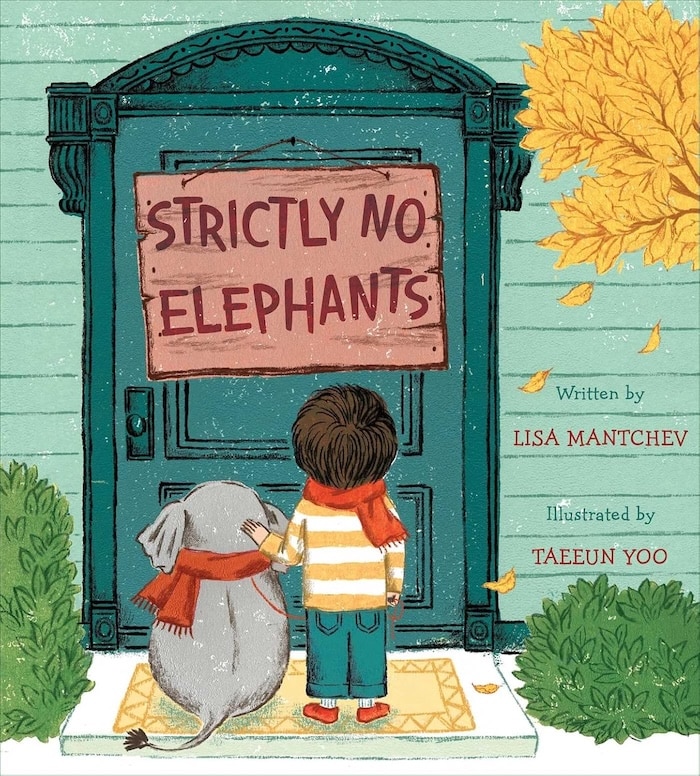
Strictly No Elephants
by Lisa Mantchev
One great way to begin the year is a reminder that inclusion is needed in school classroom. It helps kids reflect on kindness and building that place, like the classroom, as a club where everyone is welcome.
Big Idea: Everyone belongs, and small acts of kindness can help build a welcoming community where all people are valued.
Discussion Questions
- Why did the Pet Club refuse the elephant?
- Was the club's rule fair? Why or why not?
- How did the boy respond to being excluded?
- Why did the girl become his friend?
- What makes the new club different?
- How does the parade show that everyone belongs?
- How can our classroom be more welcoming?
ACTIVITY: Create Your Own Pet
Invent an unusual pet. Describe its Appearance, Personality, Favorite activities, and share why it would make a great friend.
2
Name Calling
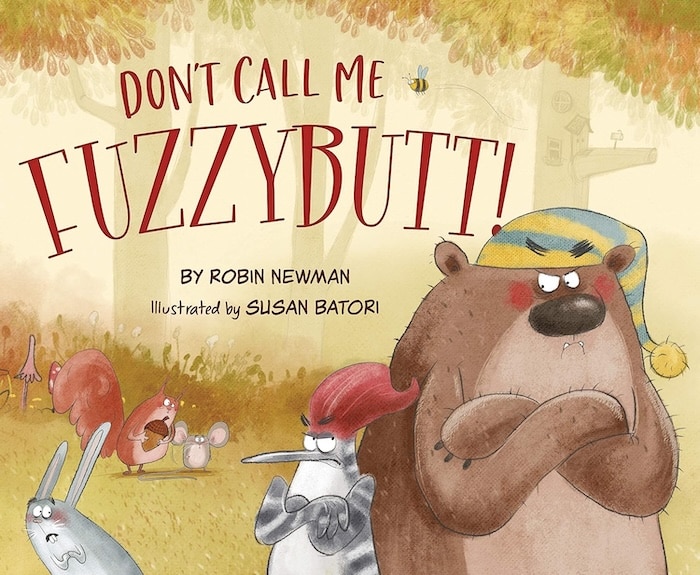
Don't Call Me Fuzzybutt!
by Robin Newman
Who doesn't love a great way to say, Name calling is not done here, and this here is a good reason why—with personality, loads of cool characters, sass, and sassy, and a great title to boot! go ahead, read it. I dare you not to find it a great, great, most fabulous read.
Big Idea: Our names are part of who we are, but the care, respect, and love we share with others are what truly define us.
Discussion Questions
- Why does the kitten dislike the nickname "Fuzzbutt"?
- Which name would the kitten have preferred? Why?
- How do the illustrations help make the story funny?
- How does the family's behavior show that they care about the kitten?
- What makes a good name?
- What lesson does the kitten learn?
- How would you have solved the kitten's problem?
- Why do you think the author chose such a funny title?
ACTIVITY: My Perfect Name
Students imagine giving themselves a new nickname. Students include the new name, why it fits, three personality traits, and an illustration.
3
Brainpower
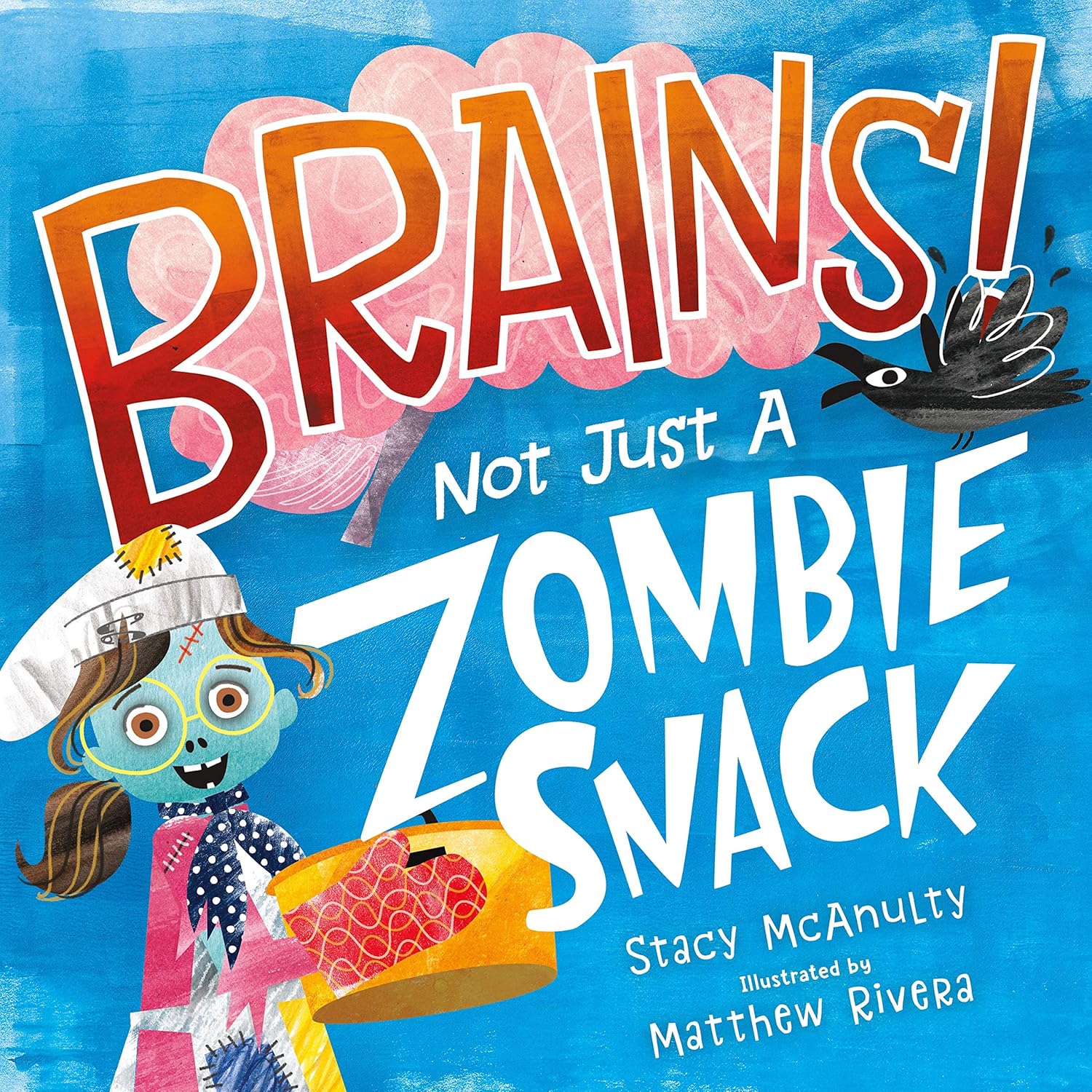
Brains! Not Just a Zombie Snack
by Stacy McAnulty
Any book that starts out: "Brains. 78% water, 100% delicious" and features a zombie chef scientist extraordinaire gets my vote, plus this brilliant, brilliant illustrator (take a bow, please, Matthew Rivera) adds so much extra to this story. Your kiddos will be talking gray-matter like it matters for days. And they will remember a lot.
Big Idea: Your brain is an incredible organ that helps you think, learn, move, feel, and grow. Taking care of your brain helps you live a healthy, active, and curious life.
Discussion Questions
- Why does the author compare brains with zombie stories?
- What are three important jobs the brain performs?
- Which brain fact surprised you the most?
- Why is the brain considered the body's control center?
- How do neurons help the brain communicate?
- Why is it important to wear helmets during certain activities?
- How does humor make learning easier?
- What is the author's purpose for writing this book?
ACTIVITY: Amazing Brain Poster
Create an informational poster showing your favorite Brain: Major brain parts, their functions, interesting facts, illustrations and labels.
4
Spooky Friendship
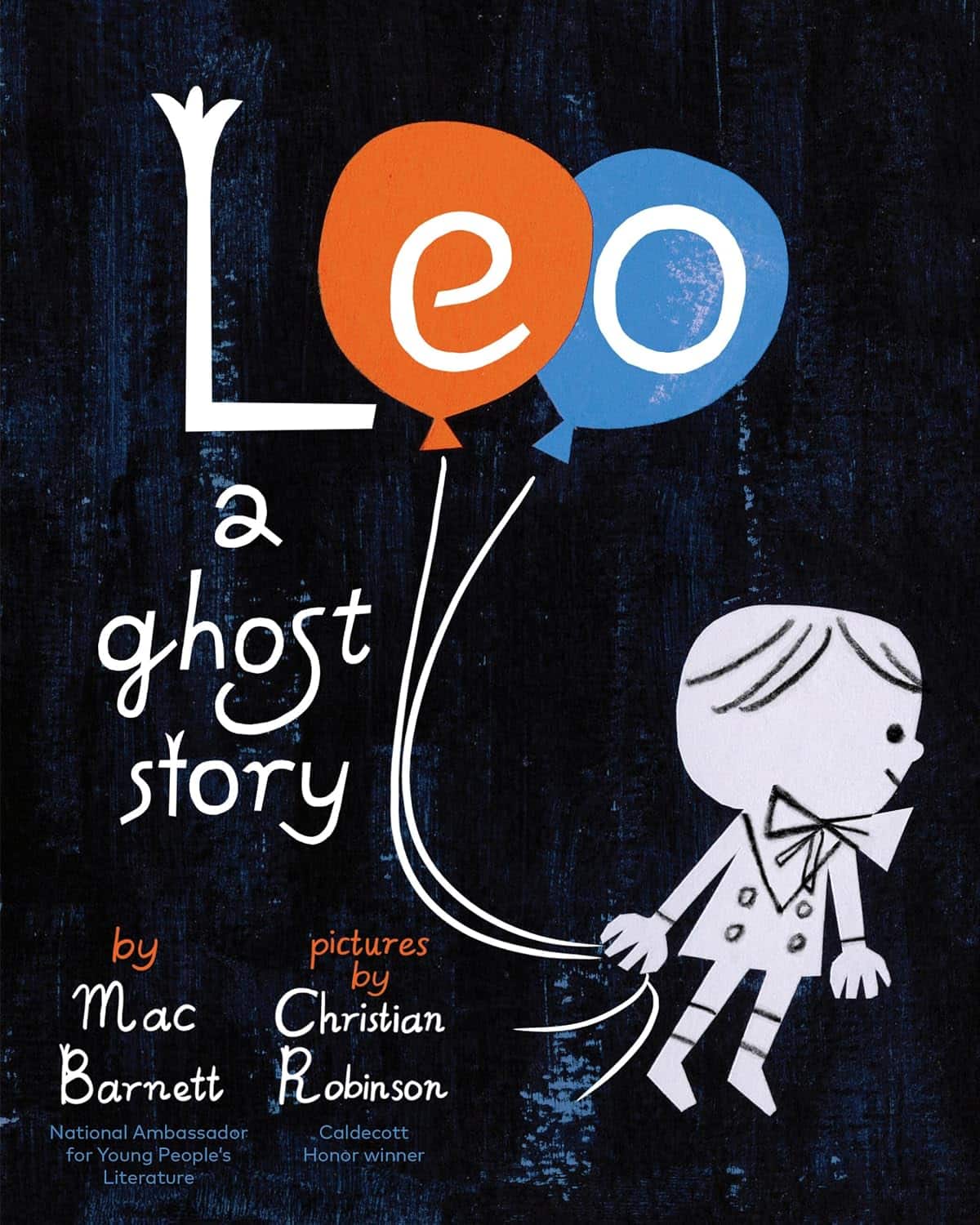
Leo: A Ghost Story
by Mac Barnett
As a Library Director, I often shifted from a Middle School to an Elementary midday and I often found it funny that both schools had those who craved Spooky Stories. But in the Elementary, this book often came to mind. I loved asking littles if they think, based on the cover if this will be a spooky Read. Hans would go up. But... then surprise would wave Hello!
Big Idea: When we look beyond appearances and welcome others with kindness, we discover friendship, understanding, and a place where everyone belongs.
Discussion Questions
- Why were the new homeowners afraid of Leo?
- How is Leo different from the ghosts we often see in stories?
- Why do you think Jane was able to become Leo's friend?
- What does Leo learn about friendship?
- How do the illustrations help show Leo's emotions?
- Why is imagination important in the story?
- What lesson does the author want readers to learn?
- How can we help someone feel like they belong?
ACTIVITY: Graphic Friendship Art
Draw Leo and Jane on one of their adventures together in six comic panes. Add speech bubbles showing their conversation.
5
Jaw-Saving New Job
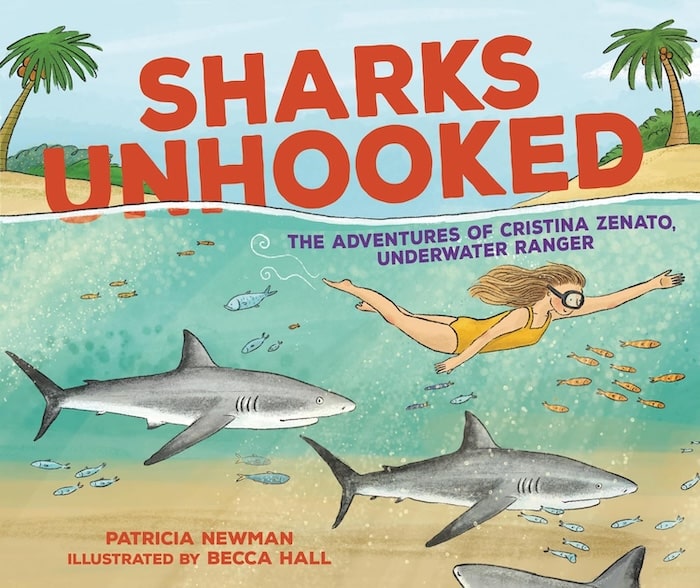
Sharks Unhooked: The Adventures of Cristina Zenato, Underwater Ranger
by Patricia Newman
This inspiring nonfiction picture book tells the true story of Cristina Zenato, a conservationist, cave diver, and shark advocate who removes fishing hooks from sharks to help them survive. BIG QUESTION BEFORE YOU READ: Would you stick your arm in a shark's mouth to help them? (ASK AGAIN AFTER.)
Big Idea: Knowledge, compassion, and responsible action can help protect sharks and preserve healthy oceans for future generations.
Discussion Questions
- Why are many people afraid of sharks?
- How does Cristina challenge common myths about sharks?
- Why is it important to remove fishing hooks from sharks?
- What qualities make Cristina a successful underwater ranger?
- How do healthy shark populations help the ocean?
- What did you learn that surprised you?
- Why do you think the author chose to tell Cristina's story?
- How can young people help protect marine life?
ACTIVITY: Conservation Poster
Create a poster encouraging people to protect sharks and ocean habitats.
Include Facts, Catchy Slogan, Illustrations and Ways people can help.
6
National Crayon Day
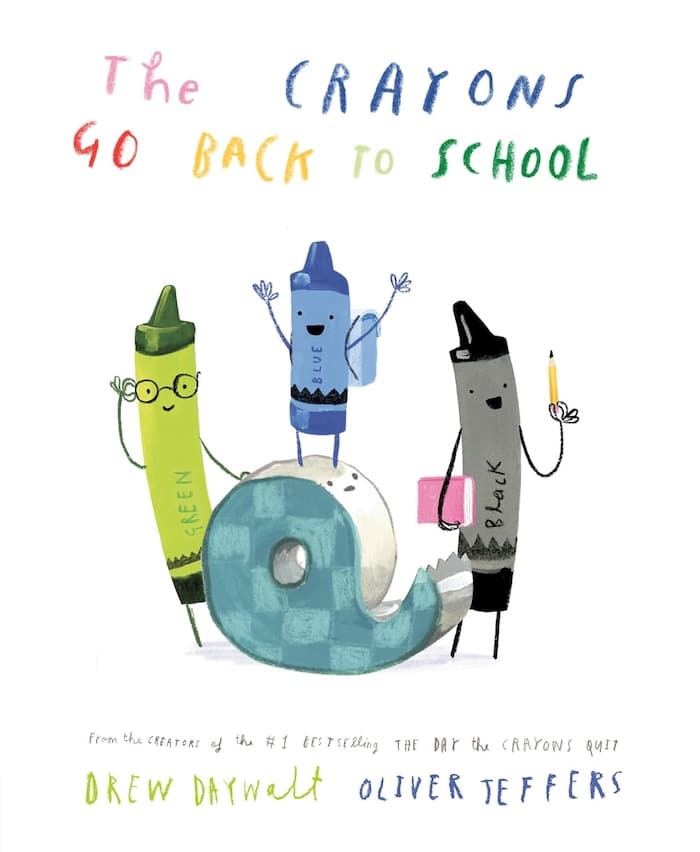
The Crayons Go Back to School
by Drew Daywalt
Part of the Crayons Celebrate series, this book sketches out the excitement crayons have for their return to school, classroom, and friends.
Big Idea: Just as every crayon adds a unique color to a picture, every student brings valuable talents and ideas that help create a welcoming classroom.
Discussion Questions
- Which crayon did you relate to the most? Why?
- How are the crayons similar to students?
- What challenges did the crayons face at school?
- How did they solve their problems?
- What makes each crayon unique?
- Why is teamwork important in a classroom?
- What lesson does the story teach about learning?
- How do the illustrations add to the humor?
ACTIVITY: If I Were a Crayon...
Write from the point of view of a crayon. What's Your color, personality, favorite school subject, and how you help classmates?
7
Ode to Birds
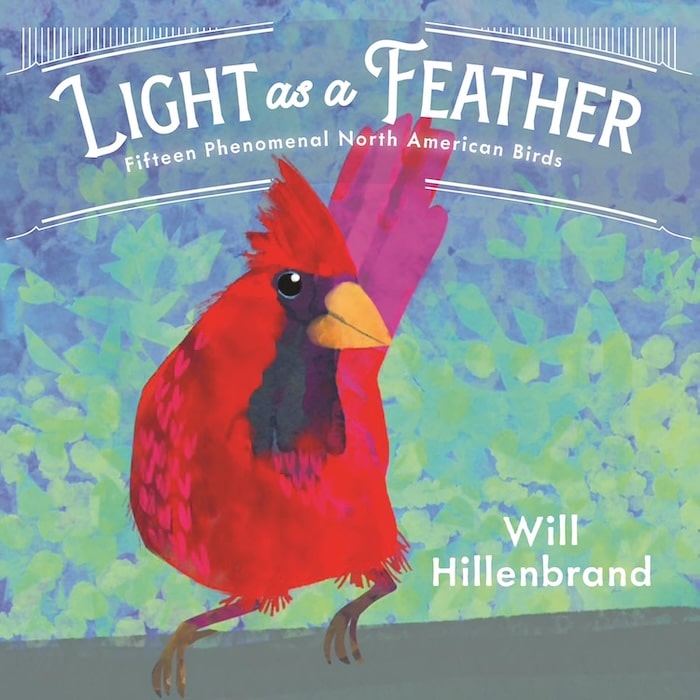
Light as a Feather: Fifteen Phenomenal North American Birds
by Will Hillenbrand
Meet North America's most fascinating birds like nature's drummers (the woodpecker) to its most dynamic dancers (the sandhill crane) and flashiest fliers (the blue jay), niftiest nester (the oriole) and the science behind the skill! Explore the bird's habitats and experience every part of the birds' world!
Gamify this Read: Ask Students the Question, "Why are Feathers so Light? Let the guess. Three ideas. Then, read the opening paragraph on each spread.
Big Idea: How does understanding wildlife helps people appreciate and protect the natural world and encourage students to become "bird watchers" by observing and recording birds?
After Reading Discussion:
- Which bird surprised you the most? Why?
- What adaptations help birds survive?
- How do feathers serve different purposes?
- Which bird would you most like to observe in nature?
- Why is it important to protect bird habitats?
ACTIVITY: Be A Bird Detective
Assign each student one bird from the book. Students research what makes each bird unique: Habitat, Diet, Special skills, Interesting things they do!
8
Portal to Other Worlds
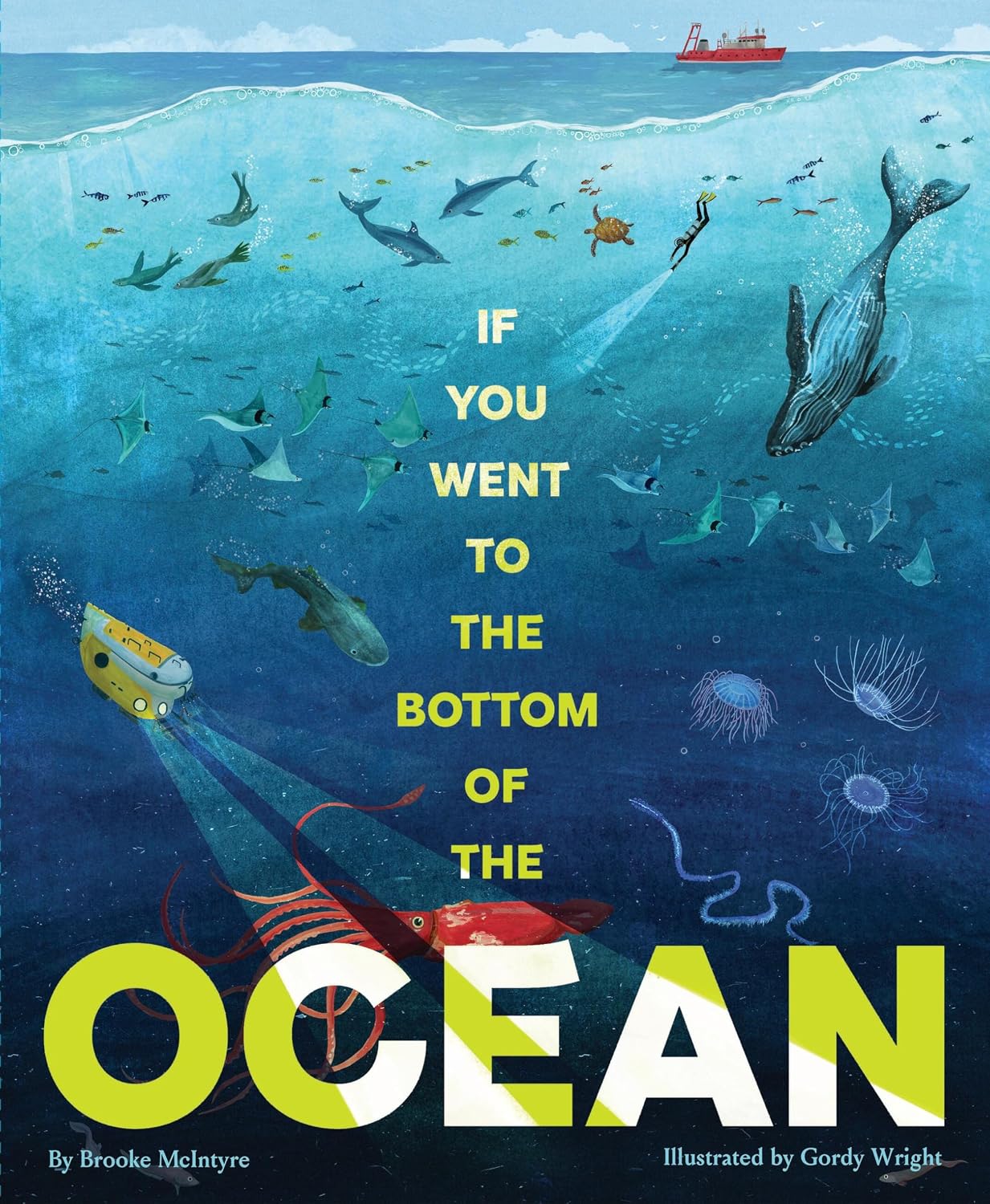
If You Went to the Bottom of the Ocean
by Brooke McIntyre
Take a deep-dive into second-person text and vibrant illustrations as this book takes you, the reader, on an adventure to the bottom of the ocean to explore each zone, the creatures that live there, and the science behind what might be experienced as creatures of the deep.
Big Idea: This book shows how curiosity, observation, and asking questions can lead to new discoveries about places we rarely get to see.
Discussion Questions
- How does point of view affect the way a story feels?
- What makes the ocean such a fascinating place to explore?
- How do text and illustrations work together to teach us?
- What might we discover if we kept going?
ACTIVITY: "Ocean Journey"
Create an "Ocean Journey" booklet of student writing and art. Choose a creature of the deep and draw and share what makes it most interesting.
9
Being Brave
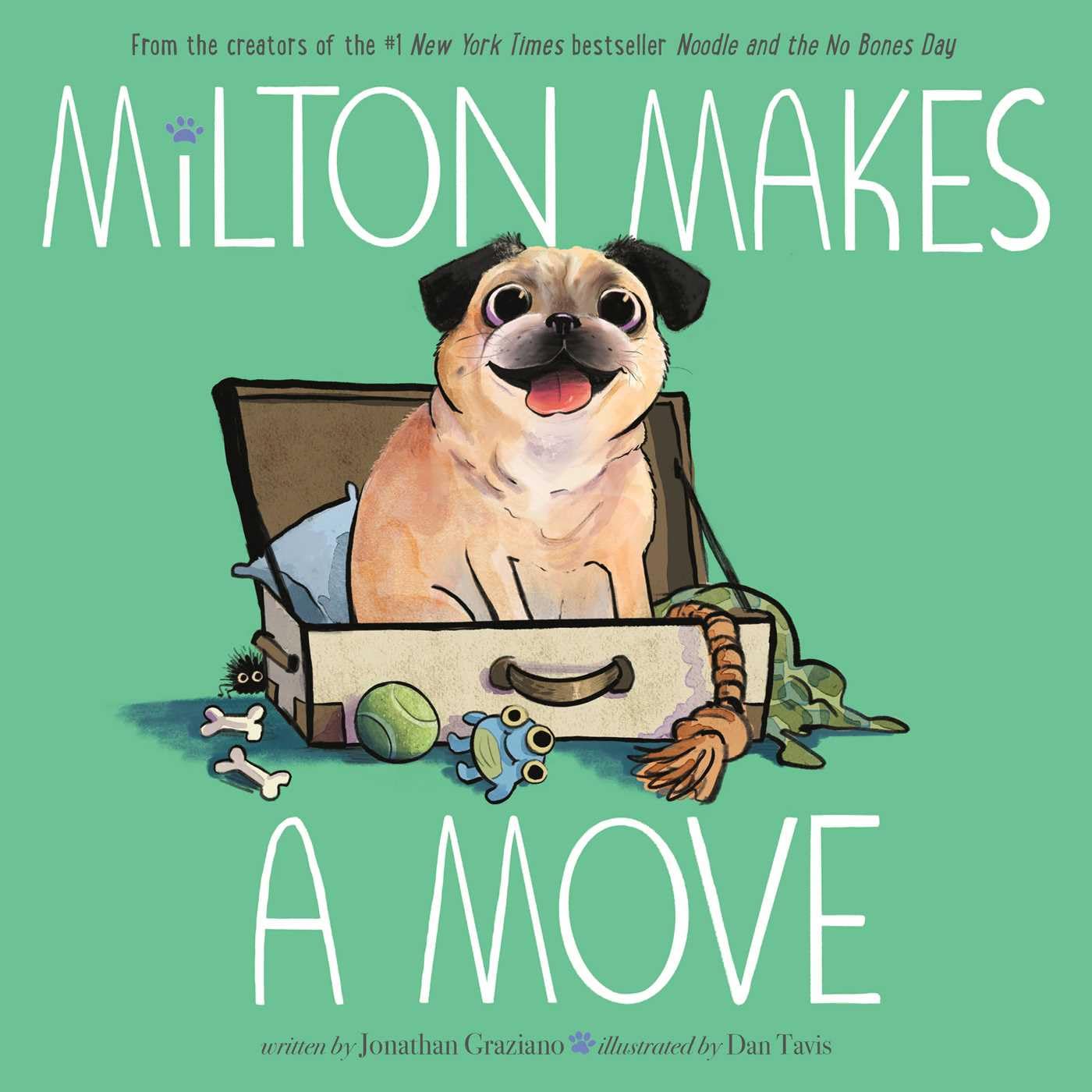
Milton Makes A Move
by Jonathan Graziano
When Milton finds out he’s moving to a new home of his own, he packs his tiny suitcase (ball, duck, bone) and does his best to be brave. When he meets his new human, Jonathan, he's surprised his human seems nervous too! But this little similarity helps Milton embrace his brave and give new friends a chance.
Big Idea: Stepping out of your comfort zone can lead to growth, new experiences, and meaningful friendships.
Discussion Questions:
- How did Milton change throughout the story?
- What did Milton learn from Dwayne?
- What was the biggest challenge Milton faced? How did he handle it?
- How did the ending make you feel? Why do you think the author ended the story this way?
- What is the message the author is trying to share?
ACTIVITY: Letter to Milton
Write a letter to Milton, sharing your advice about trying something new. What should he try and why?
10
What is a Tar Pit?
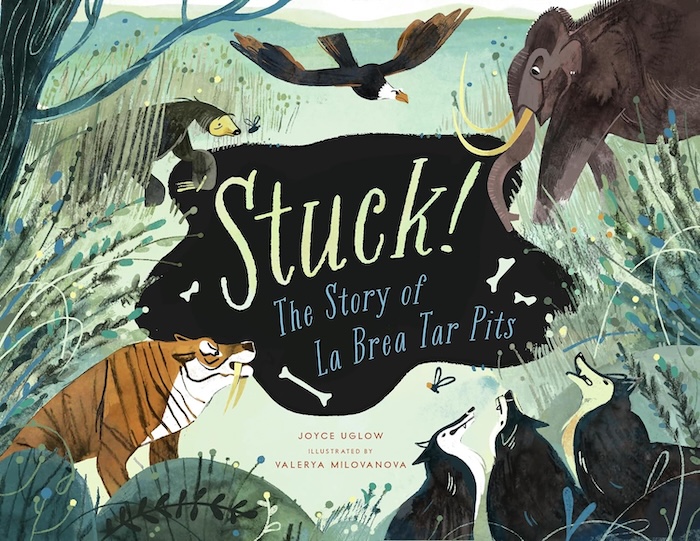
Stuck! The Story of La Brea Tar Pits
by Joyce Uglow
“Uglow’s rhythmic text traverses thousands of years as it tells the prehistoric tale of many fossils coming to exist in Los Angeles’s La Brea Tar Pits…." says Publishers Weekly. This book unfolds the brilliant, creative non-fiction, and poetical exploration surrounding the history and little-known origins of the Ice Age and La Brea Tar Pits―including what scientists are learning about climate change. Experience it for yourself!
Big Idea: The La Brea Tar Pits show how evidence from the past can help us understand ancient life, changing environments, and the world we live in today.
Discussion Questions:
- What was the most surprising or interesting thing you learned?
- How have discoveries at La Brea helped scientists?
- Would you like to be a paleontologist? Why or why not?
- Connect: How does this book show the importance of curiosity and perseverance?
ACTIVITY: Sticky Situation
Design a comic strip showing how an animal might have become stuck in the tar.
11
Making A Difference
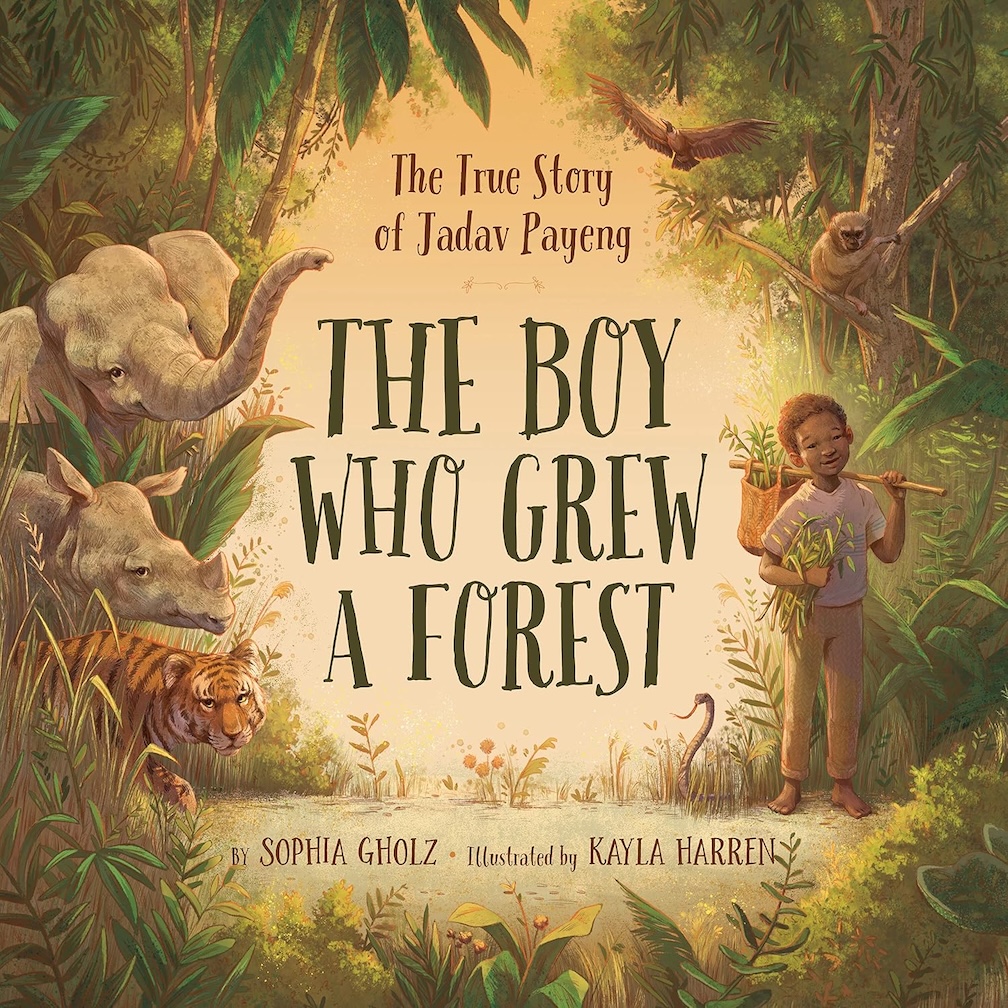
The Boy Who Grew A Forest, The True Story of Jadav Payeng
by Sophia Gholz
When Jadav Payeng noticed a barren piece of land with hints of struggling wildlife, he started planting bamboo. Every day, he sowed new and solved water problems while a forest grew to come alive with animals.
Big Idea. One person's dedication and love for nature can heal the land, support wildlife, and create a better future for everyone.
Discussion Questions:
- What challenges did Jadav face when he began planting trees?
- How did his forest help the environment and the people around him?
- What does this story teach us about patience and never giving uр?
- What small action can you take to help nature?
ACTIVITY: Write About It!
Imagine you find a piece of barren land. What would you travel as far as Jadav does to plant? What would you hope your forest would look like in 20 years?
Write a story about it.
12
Achieve Dreams
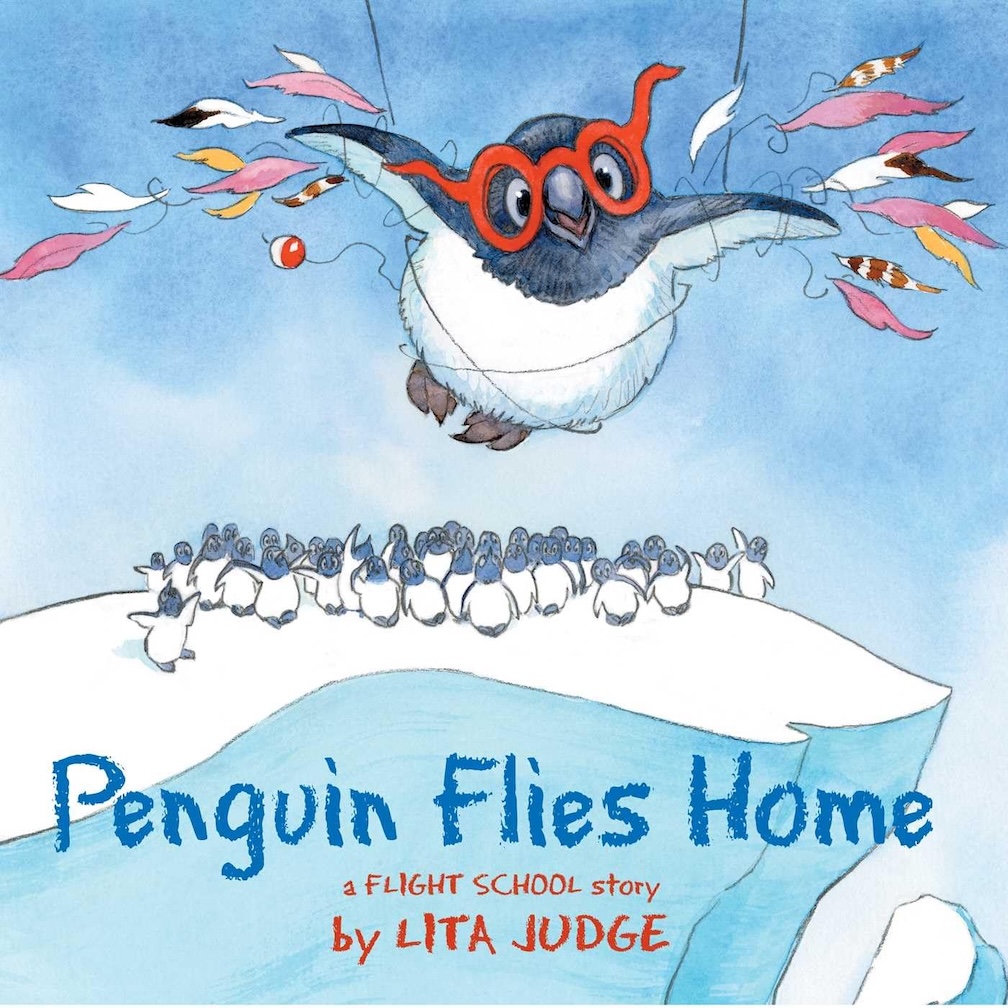
Penguin Flies Home
by Lita Judge
When a little Penguin decides he loves "everything about flying: the wind beneath his wings, the song that rises from his belly, and the sight of new and wonderful places" he embraces what he learned in Book One, Flight school (a must read!) and allows his soul of an eagle" to carry him home to school others on the joy of aviation delights.
Big Idea. Courage, kindness, and teamwork help us overcome challenges and achieve our dreams.
Discussion Questions:
- What challenges did Penguin face?
- How did the penguins he flew home to respond to his love of flight?
- What does this story teach us about never giving up?
- How did the many Penguins come to accept Penguin?
- What did we learn about Dreams and Friendship in this story?
ACTIVITY: Penguin, Please Love Swimming.
Watch Lita Judge's Making of Penguin Flies Home and Penguins in Peril. If you were given the change to convince Penguin to embrace his inner swimmer, what would you say?
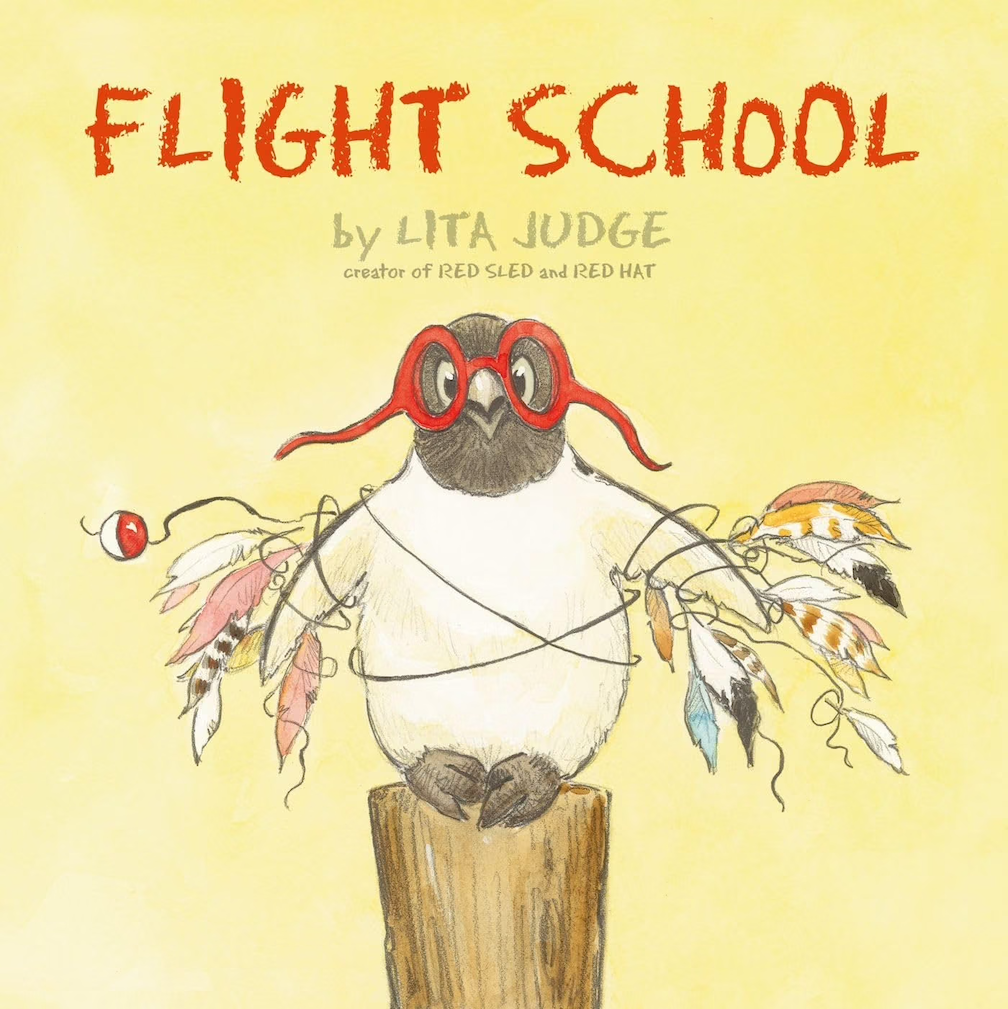
Loved this title, you might dare to start from the beginning and share Flight School First. The original story of a Penguin who has the spirit of an Eagle and longs to fly!
13
Appreciating Small
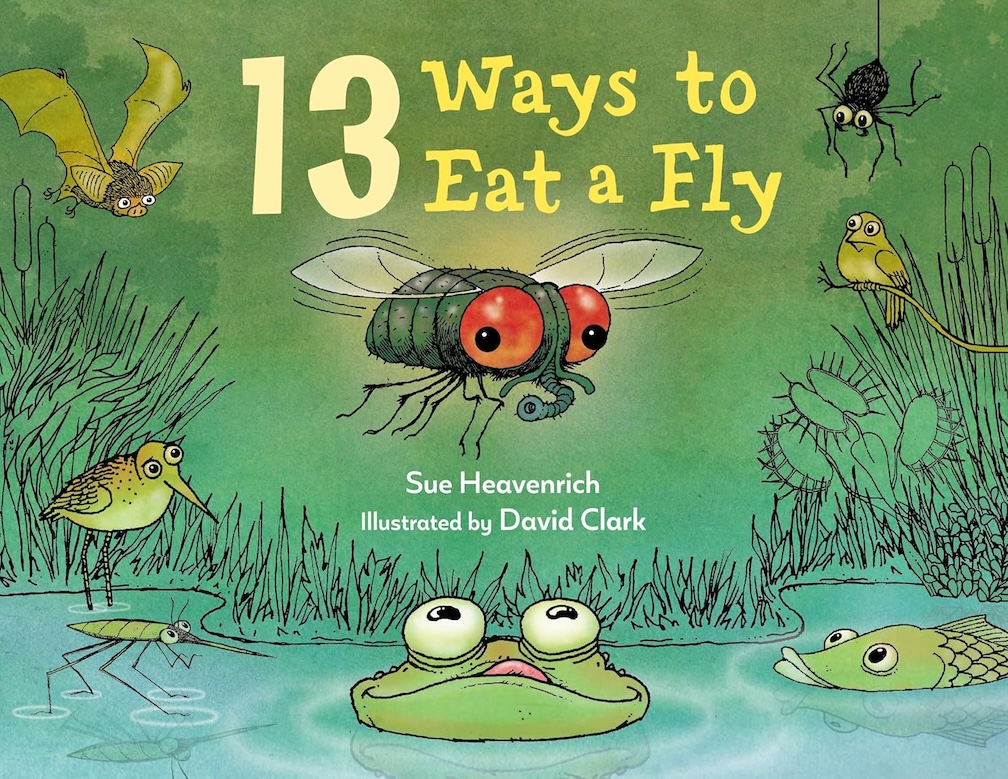
13 Ways to Eat a Fly
by Sue Heavenrich
Is a fly just a fly—or is a fly and important part of an ecosystem that supports all living creatures? Let's explore.
Big Idea. Every Creature has an important role in an ecosystem—even a fly!
Discussion Questions:
- Why are flies important to other animals?
- Which predator surprised you the most?
- How were the predators' methods alike and different?
- What might happen to a food web if flies disappeared?
- What new fact changed the way you think about flies?
- Which page was your favorite? Why?
ACTIVITY: Fly's-Eye View
Imagine you are one of the flies in the book and you have to check out a library book. Draw a picture of what book you might choose.
14
Delicious Mistakes
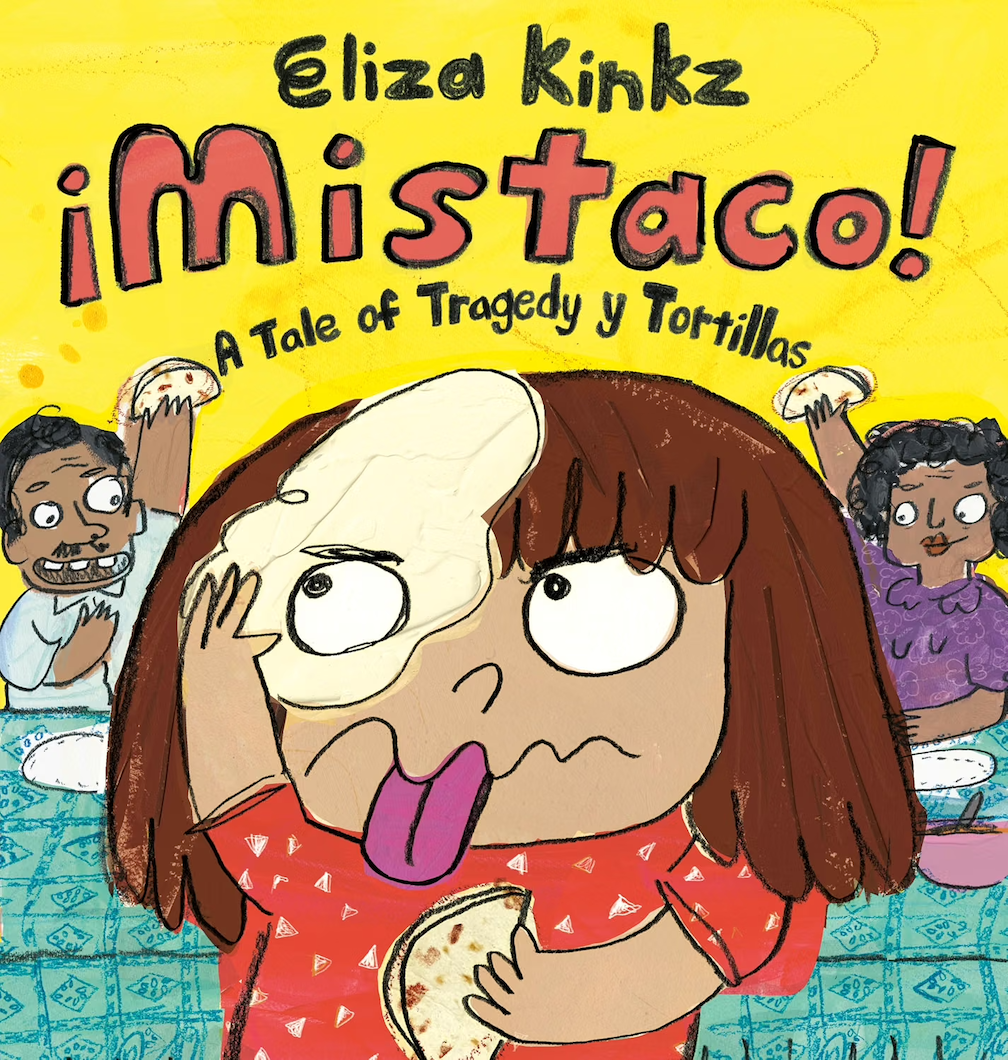
¡Mistaco! A Tale of Tragedy y Tortillas
by Eliza Kinkz
Love the idea of good things coming from mistakes. There are a whole lotta little perfectionists these days and oopses are a great thing to embrace.
When Izzy has a terrible day at school, she wants to be alone. But it's tortilla-day with Lito. When Izzy shares her mistakes, Lito starts cooking them into a tortilla so they can eat “mistacos.”
Big Idea. Everyone makes mistakes. What matters is having the courage to admit them, learn from them, and move forward.
Discussion Questions:
- How is Izzy feeling?
- Why doesn't Izzy want to talk at first?
- What does Lito do that helps her?
- What exactly is a “mistaco”?
- How does humor change the mood of the story?
- What do the illustrations reveal about Izzy's feelings?
- Why does the rest of the family begin sharing mistakes?
- Can something good come from making a mistake?
ACTIVITY: Make a Mistaco!
Imagine you could put a small mistake into a pretend tortilla and turn it into a mistaco.
Write or draw:
My mistake was ______________________________.
It made me feel ______________________________.
Something I learned was _______________________.
Next time I can _______________________________.
Students can then draw their imaginary mistaco and give it a funny name.
Love the idea of good things coming from mistakes. There are a whole lotta little perfectionists these days and oopses are a great thing to embrace.
When Izzy has a terrible day at school, she wants to be alone. But it's tortilla-day with Lito. When Izzy shares her mistakes, Lito starts cooking them into a tortilla so they can eat “mistacos.”
Big Idea. Everyone makes mistakes. What matters is having the courage to admit them, learn from them, and move forward.
Discussion Questions:
- How is Izzy feeling?
- Why doesn't Izzy want to talk at first?
- What does Lito do that helps her?
- What exactly is a “mistaco”?
- How does humor change the mood of the story?
- What do the illustrations reveal about Izzy's feelings?
- Why does the rest of the family begin sharing mistakes?
- Can something good come from making a mistake?
ACTIVITY: Make a Mistaco!
Imagine you could put a small mistake into a pretend tortilla and turn it into a mistaco.
Write or draw:
My mistake was ______________________________.
It made me feel ______________________________.
Something I learned was _______________________.
Next time I can _______________________________.
Students can then draw their imaginary mistaco and give it a funny name.
15
Fact, Fiction—or Fishy?
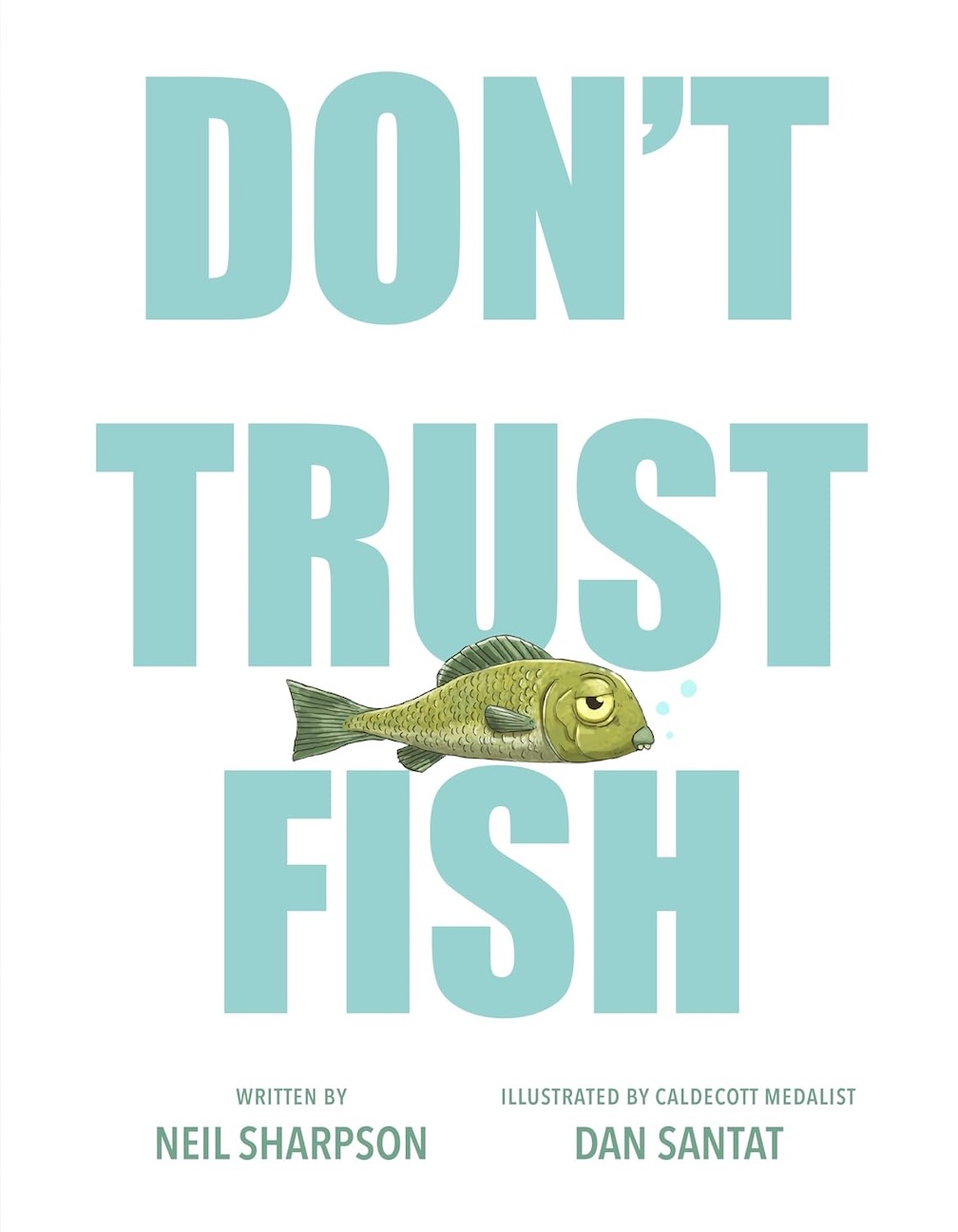
Don't Trust Fish
by Neil Sharpson
Fish hooks readers with the question: Fact, Fiction—or is something smell very Fishy?
Should we trust fish? According to the narrator, they spend their lives underwater, grow to enormous sizes, and suspiciously gather in "schools."
Ordinary facts are turned into hilarious "evidence" that fish must be up to something.
Big Idea. Don't believe everything you hear-look for evidence and think for yourself!
- Are what about fish were factual? Which were opinions?
- What made the narrator's argument funny?
- Did the narrator convince you not to trust fish? Why or why not?
- How did your opinion change while reading?
- Why is it important to examine evidence instead of automatically believing what someone tells us?
ACTIVITY: Fish Fact Fun
Research a fish and create a fact sheet with drawing that presents the Facts, the Fiction—and the very Fishy. Then, gamify to let others guess what is Truth or Fiction.
16
Composting Cookout
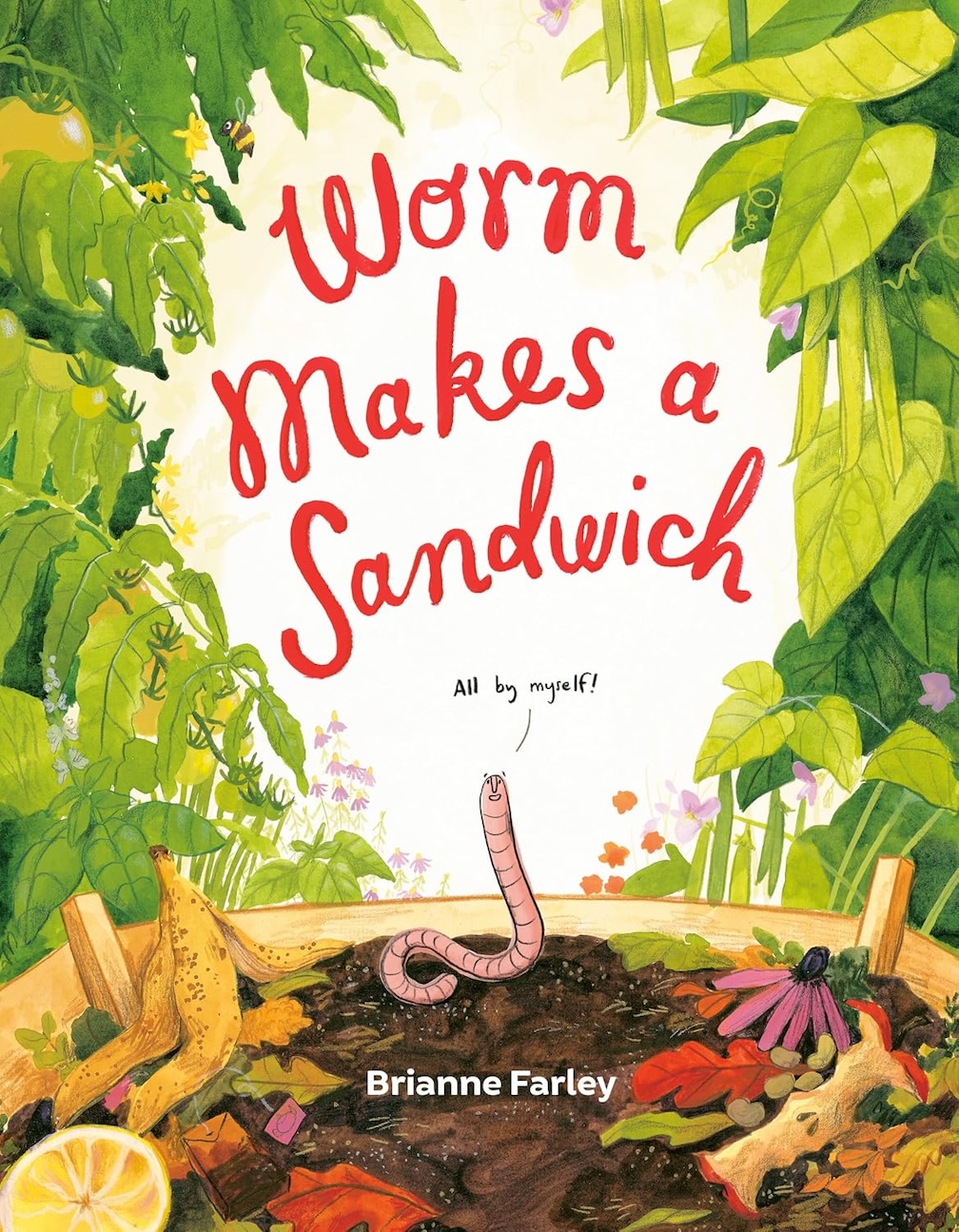
Worm Makes A Sandwich
by Brianne Farley
This book is an absolute favorite. Funny, Informative, and just pure science meets tiny-life-adventures.
You see, Worm wants to make you a sandwich. But, he's a worm—and worms don't have hands!
So, Worm begins with food scraps and organisms that break down plant materials and becomes composting that enriches the soil that grows the plant, that makes the vegetables that can become your sandwich.
Big Idea. Nothing in nature works alone—small helpers can make a BIG difference!
Discussion Questions:
- How does Worm help make a sandwich even though he doesn't have hands?
- Why is compost important?
- What did you learn about worms or soil that surprised you?
- Can something small make a big difference?
- What is the main message of this story?
- How can we help worms and other organisms in our environment?
ACTIVITY: Worm Vs Waste
Watch the TedEd Video, "How Worms Can Reduce Our Waste," and take the quiz.
17
Abundance
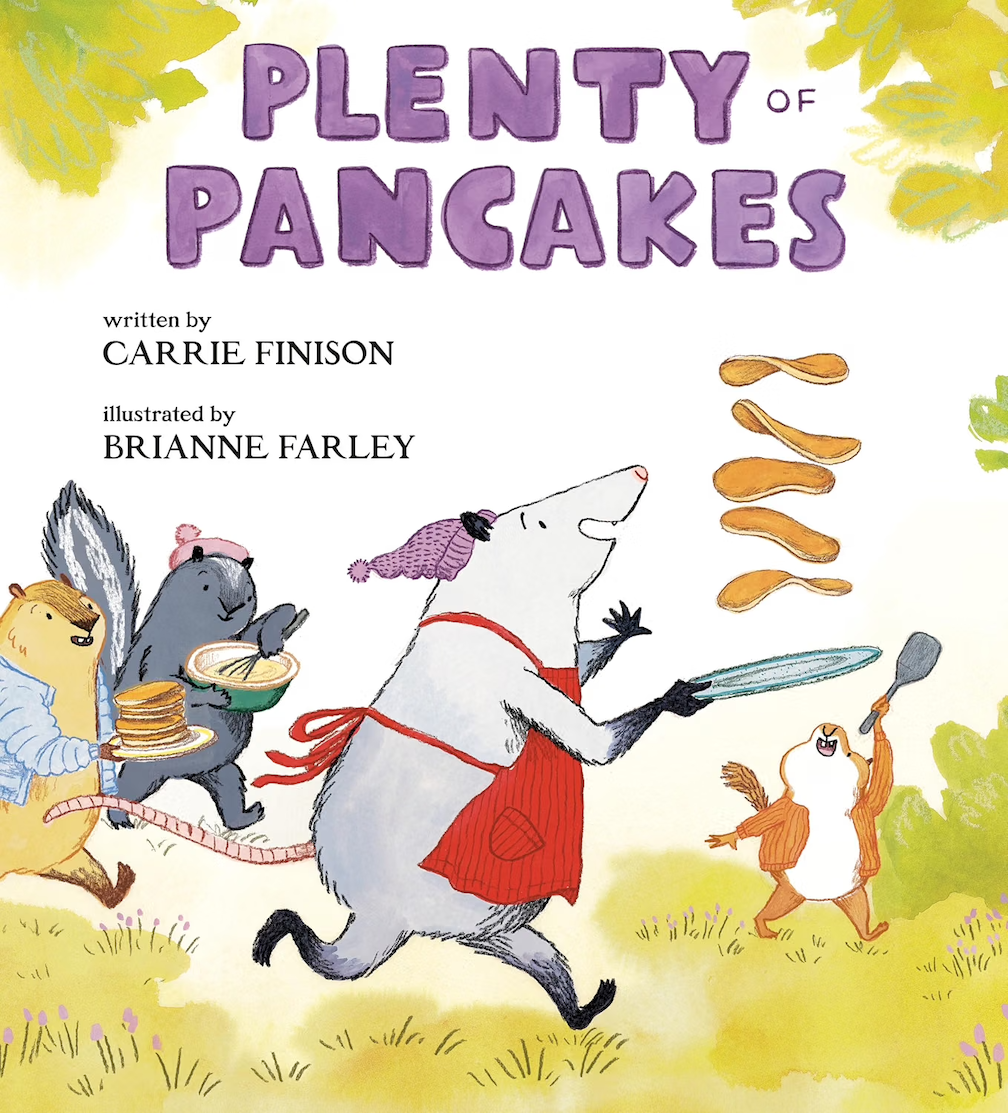
Plenty of Pancakes
by Carrie Finison
Spring has arrived, and Topsy the opossum prepares a special “Welcome Spring!” breakfast for Bear, LouAnn, who has been hibernating all winter. Topsy gathers milk, eggs, berries, and syrup and cooks five pancakes...
...that go missing.
Not once. Twice. And find a couple of cute, cuddly reasons why.
Big Idea. When a problem feels too big to solve alone, friends can work together to make plenty for everyone.
Discussion Questions:
- Why was Topsy making pancakes?
- What kept happening to each batch?
- How does Topsy feel and what clues helped you solve the mystery?
- How do Topsy's friends help her?
- Why did the Author chose "plenty" for this story's title?
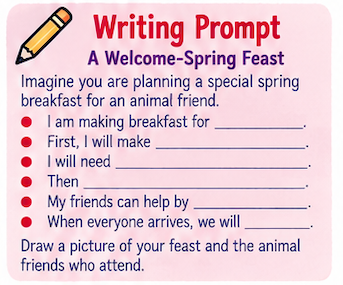
ACTIVITY: Write About It!
18
Comparisons
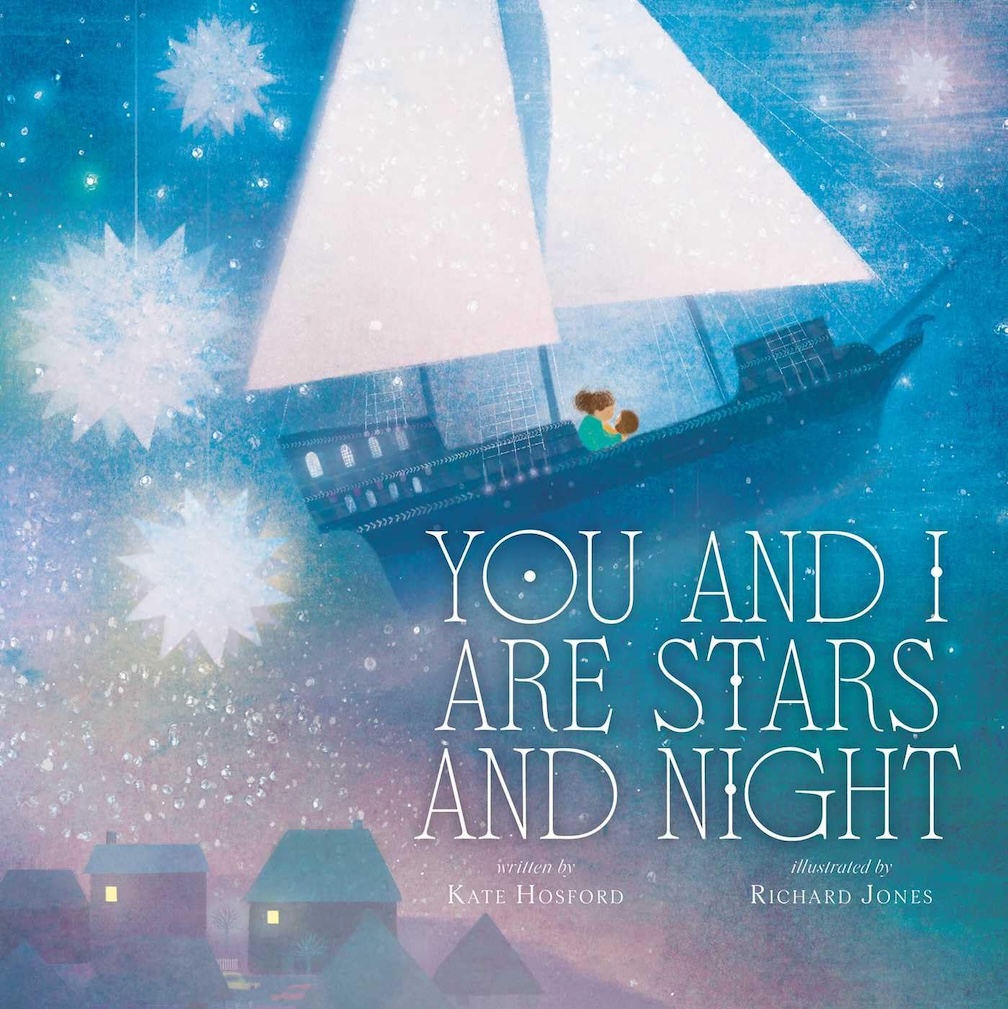
You And I Are Stars And Night
by Kate Hosford
The world of times spins into a series of comparisons as a mother and child fork and spoon, ebb and flo, hide and seek, blue and sky, as the whole world of a day darkens to bright stars at night and the promise it will begin again... all connected.
Big Idea. We are part of the universe, and we are connected to everything in it.
Discussion Questions:
- What are some of the ways we are connected to the universe?
- What does the author mean by
"You and I are stars and night"? - What is your favorite page?
- What did you learn about Earth, space or yourself?
- How did the illustrations help you understand the text?
- What questions do you still have?
- How does this book make you feel about your place in the world?
- What is one way you can take care of our planet?
ACTIVITY: Acrostic Poem Place
Use your favorite outdoor word like sky, tree, pond, fish, rock, etc. and write a poem. Or create rock art.
R ound and ready for
O pen hands to pick up,
C reate art,
K nowing you were here!
19
Dino-sized Differences
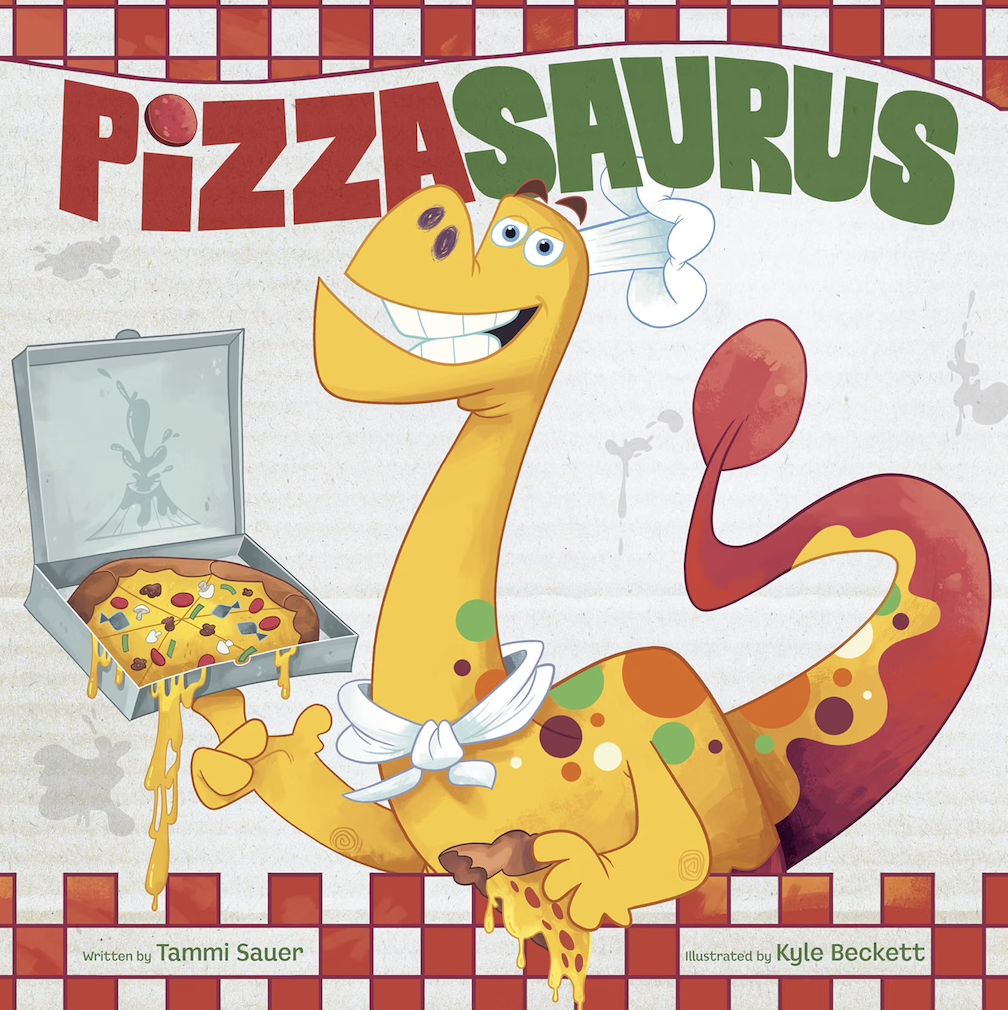
Pizzasaurus
by Tammi Sauer
Some dinosaurs are huge, some strong, some speedy, but, once in a while, one comes along that's different.
Meet Pizzasaurus.
He's all about pizza!
When Pizzasaurus focuses on his favorite food, his friends feel left out. Fortunately, pizza is best topped off with sharing at a prehistoric pizza party that just might turn a favorite munch-chee-chee into the best gift of all: friendship and inclusion.
Big Idea. The things we love are even better when we share them with others.
Discussion Questions:
- Why do Pizzasaurus's friends feel left out?
- What does Pizzasaurus learn?
- Do you think he changes his favorite thing or changes what he does with it? Why?
- How does sharing something you love help others connect with you?
- What is the main message of this story?
- What page or scene was your favorite?
ACTIVITY: Cheesy Creations
Create a new dino-food star you might use to write a new story. Feel free to draw it out.
20
Two Sides, U-Choose
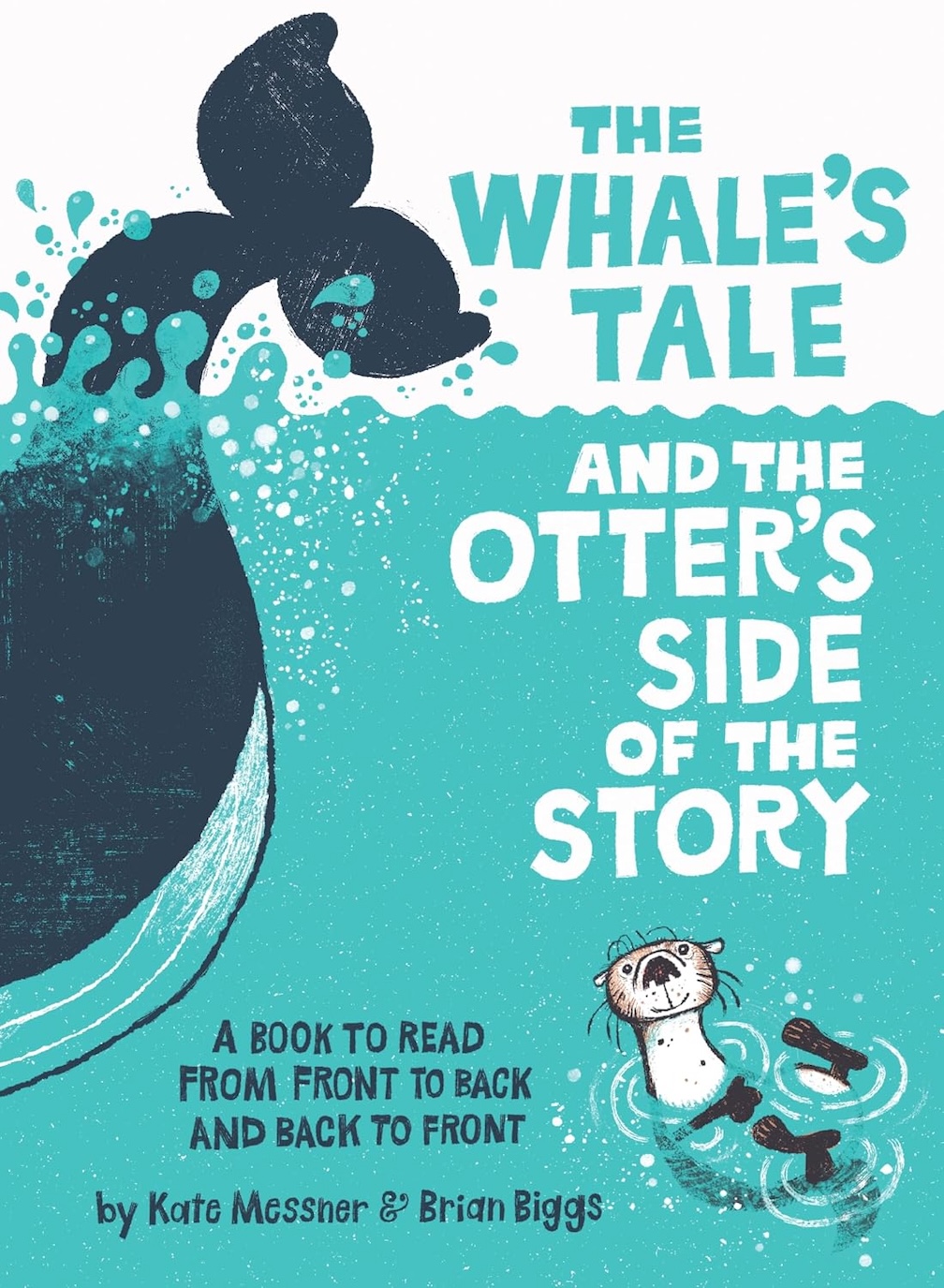
The Whale's Tale and the Otter's Side of the Story
by Kate Messner
Whale is certain whales are best. Otter is equally certain otters are best.
Read the book front to back, and Whale makes the case for whales. Reach the end, turn around, and read back to front—and suddenly Otter uses those same words to make a completely different argument.
Both narrators draw on real species information. Whale boasts whales communicating through song and working together, while Otter highlights caring for young and resting together. Which flipped opinion is right?
Big Idea. The same facts can tell very different stories depending on who is telling them.
Whale's Discussion Questions:
As you read in Whale's direction, pause to ask:
- What does Whale want us to believe?
- What fact does Whale use as evidence?
- Is that statement a fact or an opinion?
- How does Whale make the fact sound impressive?
- What words are meant to persuade us?
- What does Whale seem to think about Otter?
- What do Brian Biggs's illustrations add to Whale's argument?
- Is Whale giving us the whole story?
- Do you think Whale might be biased?
- Are you convinced that whales are best? Why?
The Otter's Side Questions:
As you read back toward the beginning, ask:
- Who is speaking now?
- What does Otter want us to believe?
- Have we heard these words before?
- Why do they seem different now?
- Which facts does Otter make sound important?
- How does Otter interpret the information differently?
- Is Otter biased too?
- How do the illustrations help the words work from this perspective?
- Is one narrator necessarily more trustworthy than the other?
- Has your opinion changed?
ACTIVITY: Illustration Detective!
Examine facial expressions, body language, size, placement, and type in the art. How do the illustrations encourage readers to respond differently to each narrator? Turn-N-Talk.
21
Abundance
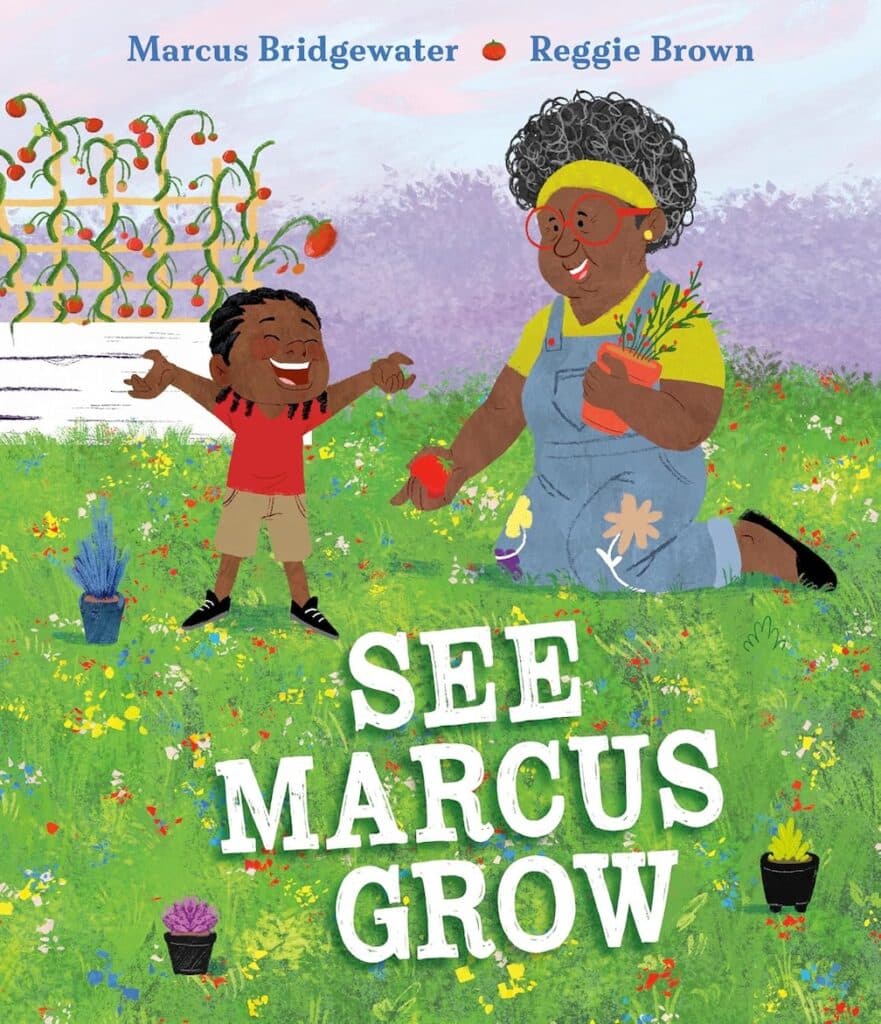
See Marcus Grow
by Marcus Bridgewater
Share multigenerational joy and a joyful story about seeds, community, and all the ways people grow! And grow to embrace the unexpected surprises that make life grand.
Big Idea. Like plants, people grow when they receive care, patience, encouragement, and space to learn.
Discussion Questions:
- How does Marcus grow throughout the story?
- What did you learn from Grandma about patience and caring?
- How are caring for plants and caring for people alike?
- What is one way you have grown or learned something new?
ACTIVITY: My Growth Plan
Think about something you want to grow or get better at (such as a skill, a habit, or a goal).
Draw a plant. In the roots, write what you need (support, practice, patience, etc.). In the leaves, write the steps you can take. Turn-N-Talk about how we all grow in different ways!
22
For the Love of Dogs
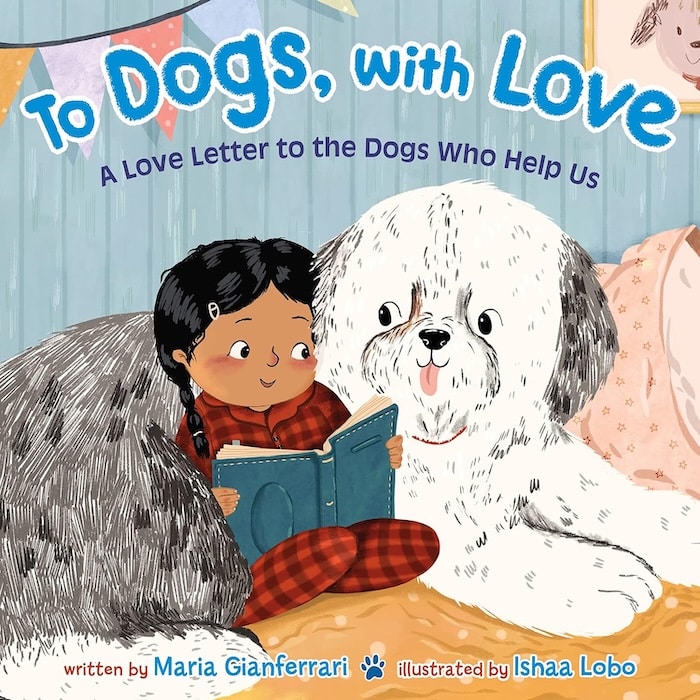
To Dogs, with Love
by Maria Gianferrari
Writing a letter to the dogs we love is such a great way to share a book about dogs. In this book, you can pick your favorite ways to celebrate dogs. Library Listeners might be one you can talk your librarian into testing out LIVE! This book is written by a dog lover for a huge dog-loving editor.
Big Idea. Dogs make the world kinder, brighter, and more connected
Discussion Questions:
• What did you learn about dogs?
• How do dogs make a difference in people's lives?
• What does this book teach you about kindness and empathy?
• How can you help animals in your school or community?
• What is one way you can show care and compassion every day?
ACTIVITY: Dog Poster
Create a poster, comic, and include a letter or paragraph about how dogs help people.
23
Personal Growth
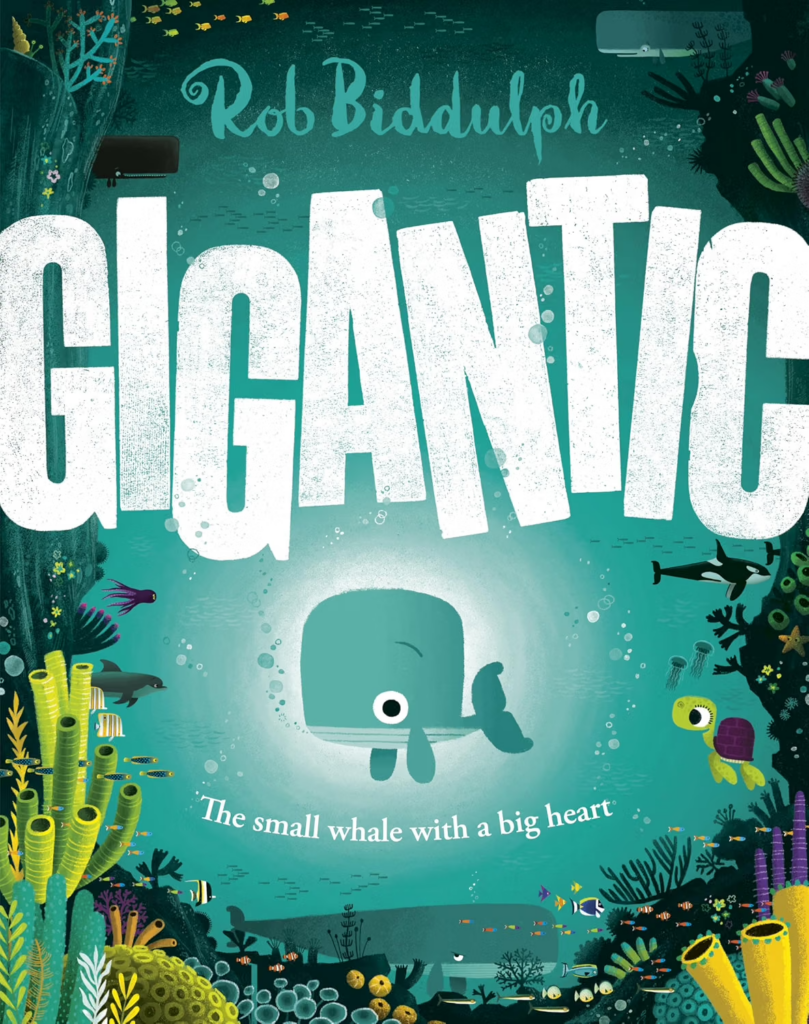
Gigantic
by Rob Biddulph
Gotta love the oxymoron twist in the story about the largest largest animal ever known to have lived on Earth comes as the smallest whale named Gigantic. Who could pass up reading about this little guy?
Big Idea. Kindness, courage, and believing in yourself can create waves of positive change.
Discussion Questions:
- What did you learn about being kind, even when you feel small?
- How did the small whale make a big difference?
- What message do you think the author wants to share?
- How can you make a positive difference in your school, community, or world?
- What is one way you can be a "big-hearted" person?
ACTIVITY: POV Flips
Perspective Flip: Write a diary entry from the small whale's point of view at the beginning and at the end of the story. How do his thoughts and feelings change?
24
Fun, Funny Reads
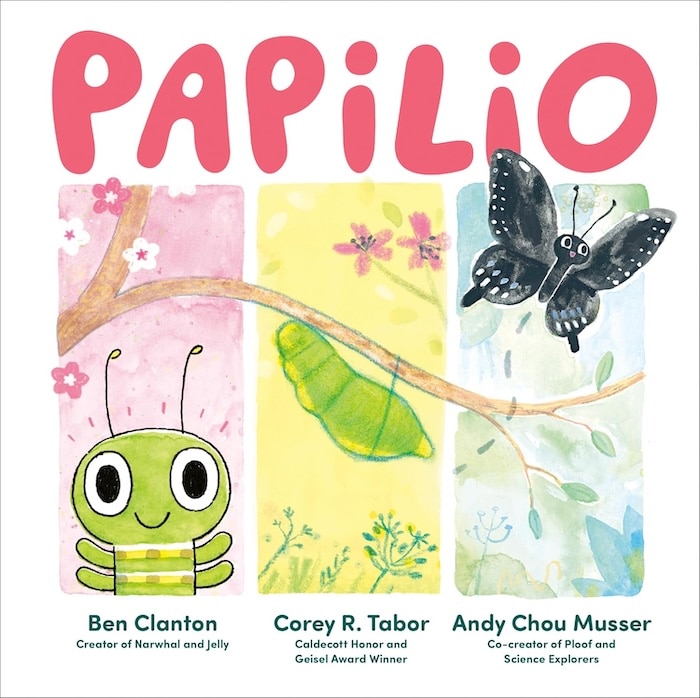
Papilio
by Ben Clanton, Corey R. Tabor, & Andy Chou Musser
If there's ever been a book that is just all that, this is it. Love the way this story writes behind the back of the text. The kids see what is really happening--exactly what dear Ootheca cannot see or know. Read it for yourself and tell me what the funniest part of this three-part story is.
Big Idea. Change is a natural part of life. With patience, courage, and support, we can grow into something amazing.
Discussion Questions:
- What did you learn about change and growth?
- How did Papilio show patience and perseverance?
- Why is it important to have friends who support you?
- How can change be a good thing ven when it feels difficult?
- What is one way you are growing or changing in your own life?
ACTIVITY: Butterfly Project.
Butterflies in Our Community Research how butterflies help our environment. Create a poster that shows why they are important and how we can help them thrive.
25
Listing Beauty
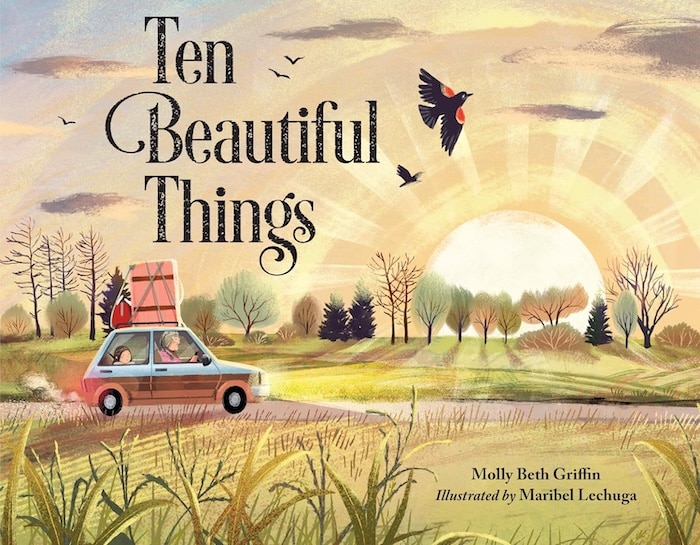
Ten Beautiful Things
by Molly Beth Griffin
Lily searches for ten beautiful things as she and Grandma drive to Iowa, their new home. At first, Lily sees nothing but slush and cloudy skies, but soon finds beauty in unexpected places: smell of spring mud, cloud shaped swan, dilapidated barn. When a storm mirrors Lily's anxiety but then clears, Lily decides the tenth beautiful thing is Lily and Gran and their love for each other.
Big Idea. When we slow down and notice the world around us, we can find beauty in everyday moments.
Discussion Questions:
- What did you learn about gratitude from this book?
- How can noticing small, beautiful things help you during a hard day?
- What are ten beautiful things you notice in your own life right now?
- How can we help others notice the beauty around them?
ACTIVITY: Write About It!
My Ten Beautiful Things. Create your own list of ten beautifu hings from vour dav. Illustrate them or write a short sentence about each one.
26
Toxic Turnaround
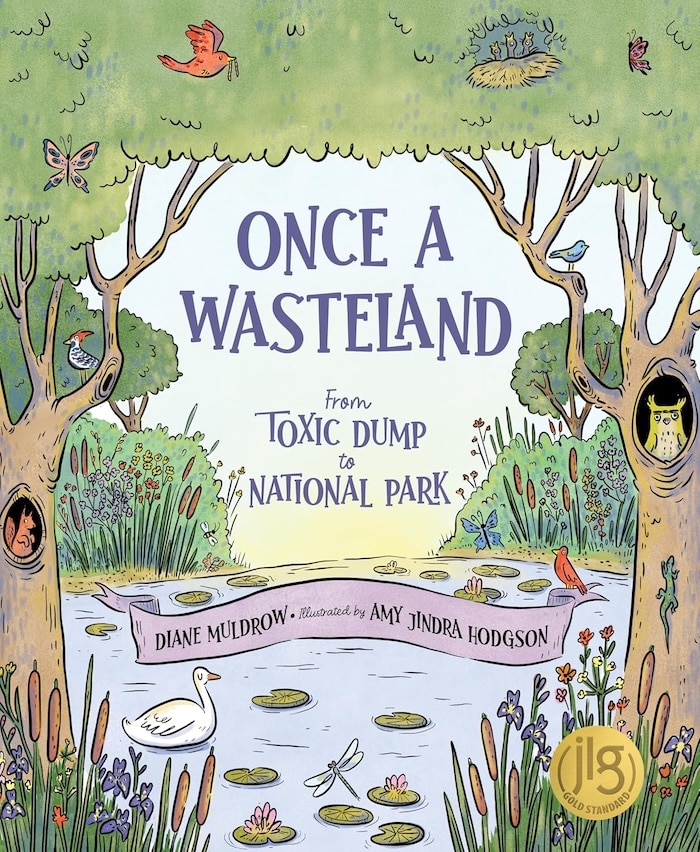
Once A Wasteland, from Toxic Dump to National Park
by Diane Muldrow
Wildlife died and people got sick. The Cuyahoga River was so polluted with toxic waste that it even caught fire! What could be done? The United States government stepped in, enforcing a full-scale cleanup of the dump that included the removal of nearly 400,000 tons of tainted soil. And then it was time to give the land a fresh start. New soil was brought in, and seeds were planted. After 25 years, the land was healed. Now the area where once nothing could live is part of Cuyahoga Valley National Park.
Big Idea. Even places that are damaged can be restored. People, nature, and communities can work together for a cleaner, healthier, brighter future.
Discussion Questions:
- What did you learn about change and growth?
- How did Papilio show patience and perseverance?
- Why is it important to have friends who support you?
- How can change be a good thing ven when it feels difficult?
- What is one way you are growing or changing in your own life?
ACTIVITY: Be a Changemaker
Brainstorm actions you can take at school or at home to help the environment. Create a class list or pledge.
27
Just A Tree?
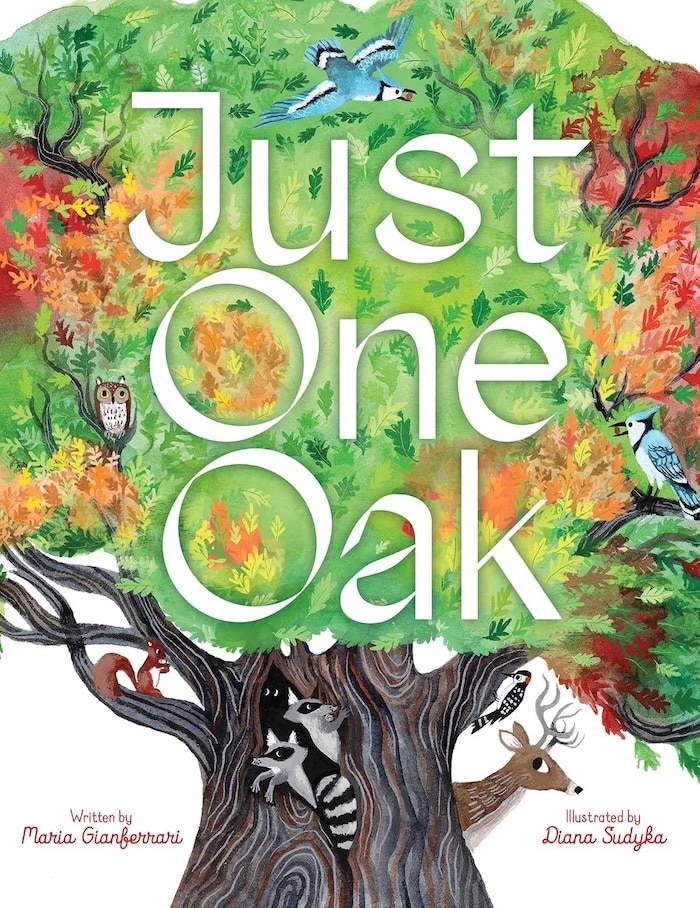
Just One Oak
by Maria Gianferrari
An oak tree, from leafy crown to roots underground, supports animals, plants, and habitat where it lives. This book brings that ecosystem to life for the reader. Enjoy it fully.
Big Idea. Even one tree can create a home for wildlife, clean our air, support healthy ecosystems, and make the world a brighter place.
Discussion Questions:
- What did you learn about the important role trees play?
- Why do you think the author wrote this book?
- How can one tree inspire change in a community?
- What can you do to help protect trees and natural spaces?
- Are trees important?
ACTIVITY: Small Act, Big Impact
Brainstorm and write about ways your class or community can help protect trees and green spaces.
28
Going on a Fossil Hunt
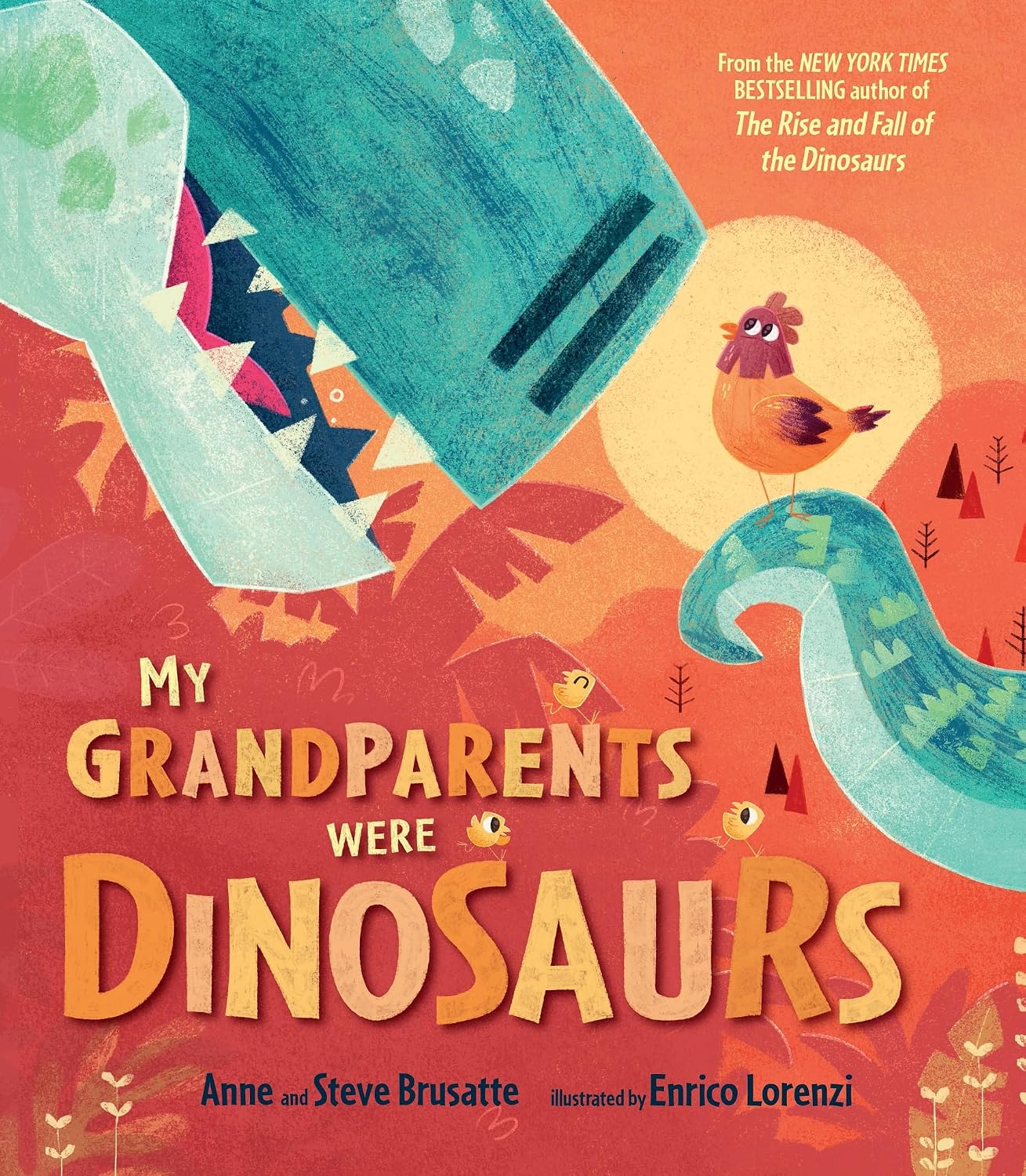
My Grandparents Were Dinosaurs
by Anne and Steve Brusatte
One plucky chicken discovers her roarsome secret: she is descended from dinosaurs...And no fox is going to make a meal out of her! Readers who dare travel through time, flip the pages, uncover the unlikely truth of how the humble hen is related to the terrifying T-Rex!
Big Idea. All living things are connected. By studying the past, we can better understand the present — and our place in the natural world.
Discussion Questions:
- What did you learn about how living things are related?
- Why do you think the authors wrote this book as a family story?
- How does this book change the way you think about dinosaurs?
- What can we do to learn more about the natural world?
- What is your favorite part of the book? Why?
ACTIVITY: Fossil Fact Hunt
Research one dinosaur from the book. Create a fact card with a drawing, three interesting facts, and what it tells us about life long ago.
29
Celebrating Reads
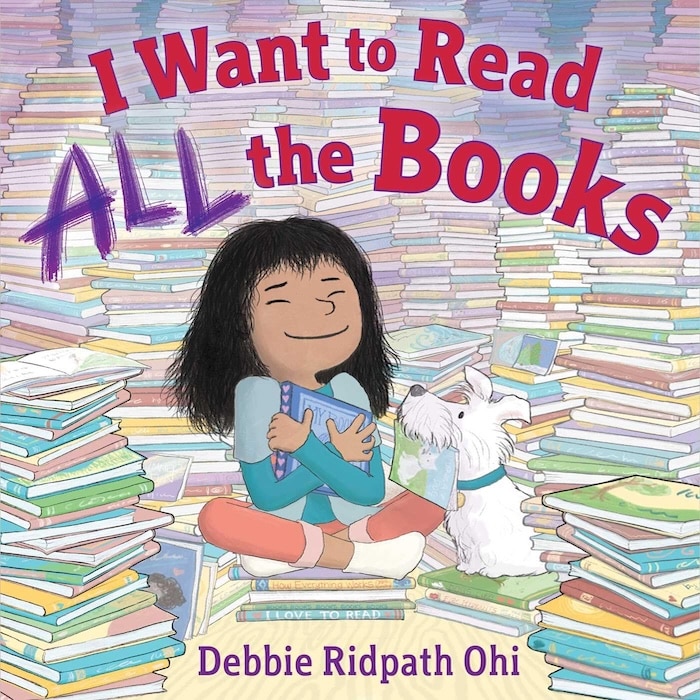
I Want to Read All the Books
by Debbie Ridpath Ohi
Hana wants to know everything. She starts asking questions, and her mother gives her a book. She learns so much, she has even more questions! So she goes where she can read all the books—every single one! Then decides to read the library by section: Nonfiction, fiction, romance, mysteries, and science fiction.
Big Idea. When we slow down and notice the world around us, we can find beauty in everyday moments.
Discussion Questions:
- What did you learn about yourself as a reader?
- Why do you think the author loves books so much?
- How can reading help you understand other people?
- What new types of books are you interested in reading now?
- How can we make sure everyone has access to books?
ACTIVITY: Reading Goals
Write or draw three books you want to read this year. Share your goals with the class.
30
Leaf it to Me
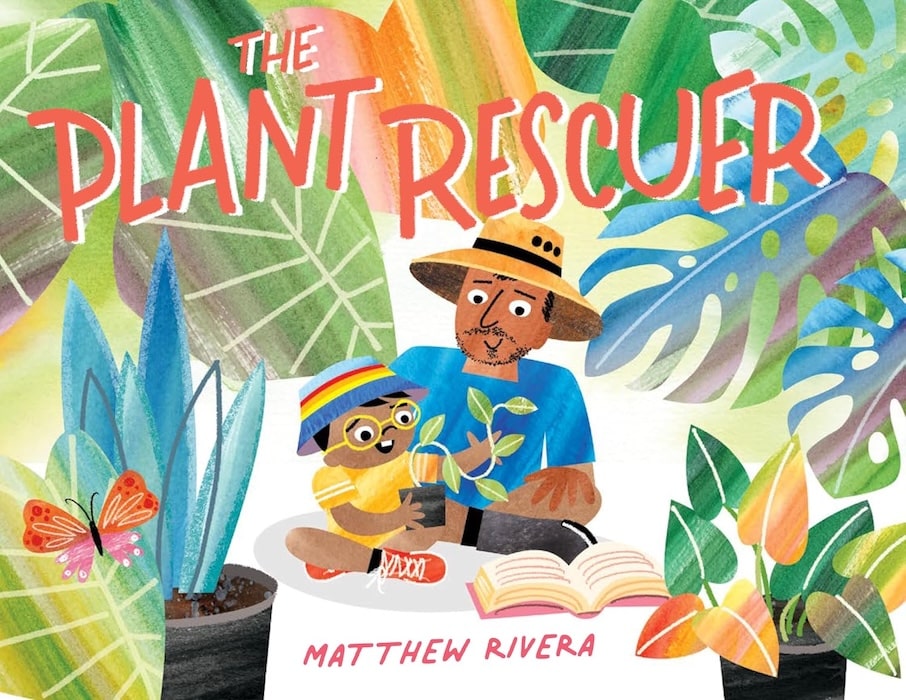
The Plant Rescuer
by Matthew Rivera
Manny was the son of the greatest gardener, his Granddad. So he has something to live up to. When Manny gets his very own plant, he watches his own amigo wilt—no matter what he tries. So he turns to a trusted friend, the library, and learns and lifts and grows his own amigo that fills the room and fills him with pride enough to say, I am the youngest of a long line of gardeners.
Big Idea. Even places that are damaged can be restored. People, nature, and communities can work together for a cleaner, healthier, brighter future.
Discussion Questions:
-
What did you learn about the importance of plants in people's lives?
-
What actions can people take to care for plants in their own neighborhoods?
-
How can plants help make communities healthier and happier?
-
How did this story make you feel?
-
What message do you think the author wants to share?
-
How can you be a "plant rescuer" in your own life?
ACTIVITY: Plant Power Poster
Create a poster showing how plants help people, animals, and communities.
31
Collaboration
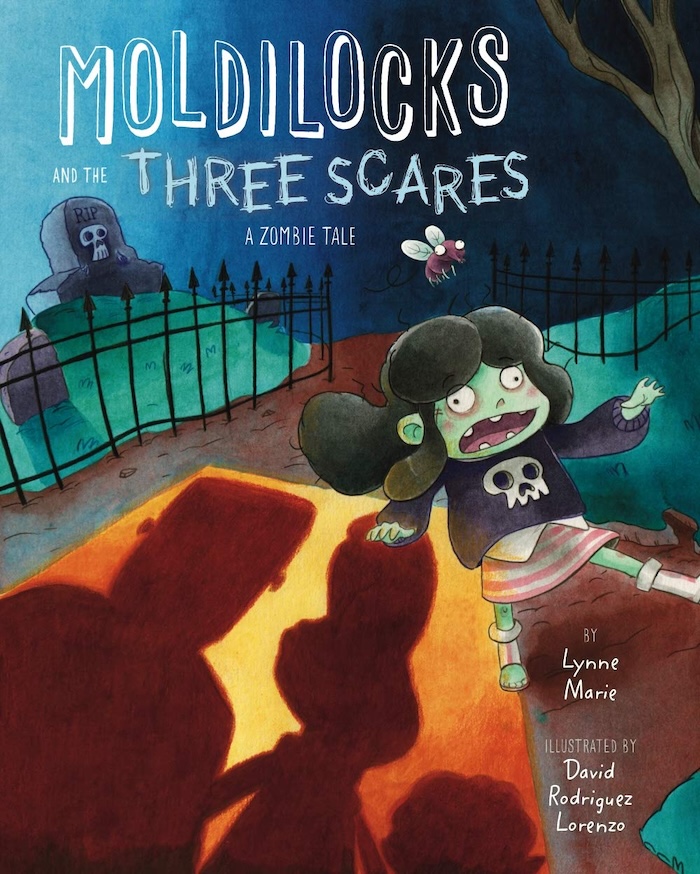
Moldilocks and the Three Scares
by Lynne Marie
This frightfully-delightful Halloween (or anytime) read does not disappoint. Inside a haunted house, Papa, Mama, and Baby Scare are making finger sandwiches and alpha-bat soup for dinner, when they decide to walk their dog, bloodhound, to let their soup cool down. While they’re away, in walks a zombie, our dear Moldilocks, looking for food, a chair, and a bed that’s just right but finds a hauntingly funny story surprise ending instead!
Big Idea. A playful fractured fairy tale can change familiar characters, setting, and events while exploring belonging, family, and finding what feels "just right."
Discussion Questions:
-
Which parts echo the traditional tale?
-
Which parts change?
-
How do the illustrations build a spooky-but funny-mood?
-
What does Moldilocks want besides food and a place to rest?
-
How does the ending develop the idea of belonging?
ACTIVITY: Moster Menu
MONSTER MENU: A Monster is coming to dinner. Invent a spooky meal using gross but playful compound words.
32
Unexpected
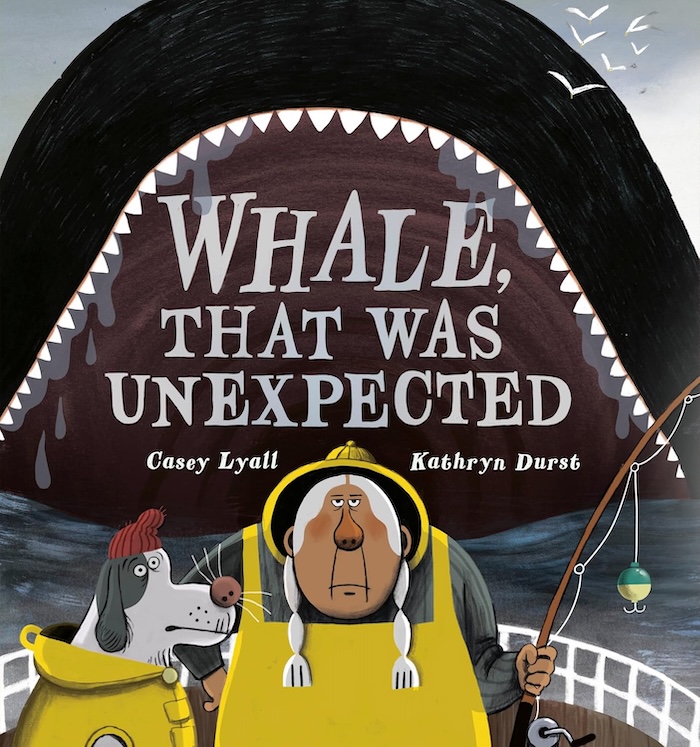
Whale, That Was Unexpected
by Casey Lyall
Maude and her dog, Claude, head out to fish as they have done many days for years. But this time, something unexpected happens! They get swallowed by a whale. What does one do when one is swallowed by a whale? Throw a farewell party, but hilarity ensues as more and more guests arrive and keep changing Maude's party plans. Will Maude and the whale part ways, or is this the end?
Big Idea. Unexpected events can challenge our plans, but curiosity, flexibility, and teamwork help us respond with courage and humor.
Discussion Questions:
- How do Maude and Claude react to each surprise?
- What clues help you predict what may happen next?
- How does repetition build suspense and humor?
- How do the illustrations add details the words do not?
- What does the story suggest about adapting to change?
ACTIVITY: Write Next Episode
Maude and Claude set out on another ordinary trip—but something surprising appears. Write and illustrate what happens. Use repetition to build suspense before the reveal.
33
Boundary Battles
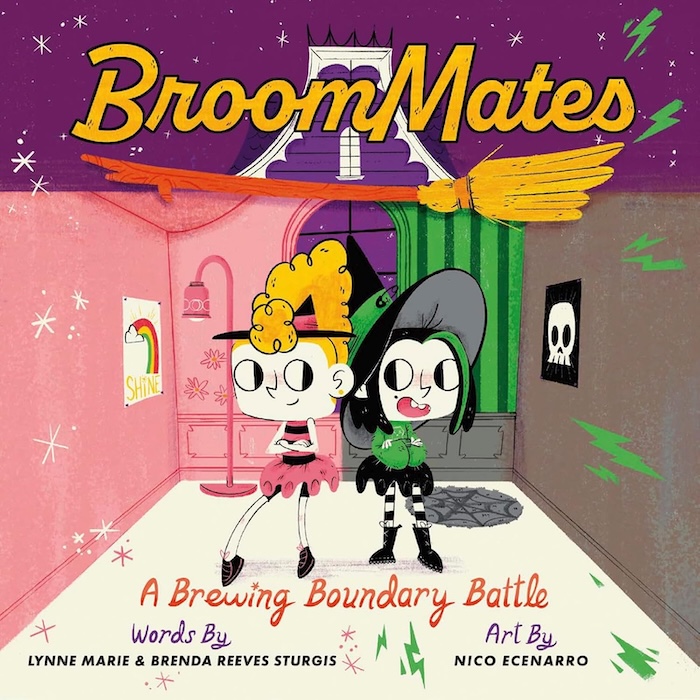
BroomMates, A Brewing Boundary Battle
by Lynne Marie and Brenda Reeve Sturgis
Witchy sisters Mathilda and Malin share a broom, and a room! One's bright and airy, the other dark and scary! Each sister knows exactly how they should decorate. Unfortunately, their disagreement spells disaster with a broken broom. Will they ever find a sweep up and meet in the middle?
Big Idea. Healthy boundaries help people share space, express their needs, solve conflicts, and find fair compromises.
Discussion Questions:
- What does each sister want or need?
- How does each character’s point of view shape the conflict?
- Which words and actions make the disagreement better—or worse?
- What does it mean to “meet in the middle”?
- How can a compromise respect both people?
ACTIVITY: Point-of-View Potions
Retell one event from each sister’s perspective in Graphic Novel Format.
34
Failure for the Win!
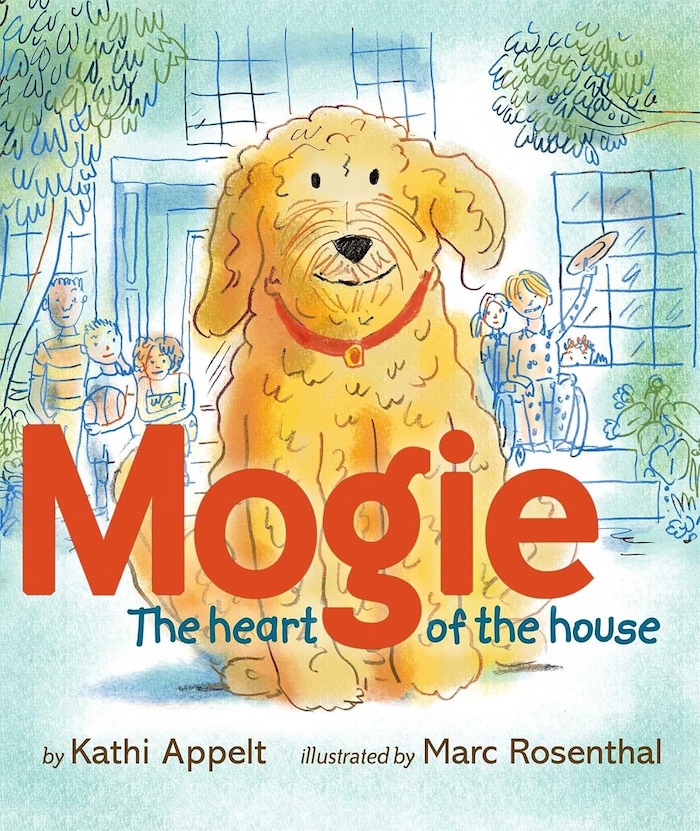
Mogie: The Heart of the House
by Kathi Appelt
Text.
Big Idea. Beyond failure, kindness, empathy, and careful attention can help us discover how our unique gifts make a difference in a community.
Discussion Questions:
- How is Mogie different from the other puppies?
- What clues show that Mogie notices how people feel?
- How does Mogie help the children and families?
- Why is the house the right place for Mogie?
- What message does the story share about finding your purpose?
ACTIVITY: Kindness Clues
Find the details in Mogie's story that shows caring without saying it directly.
35 - Words Matter
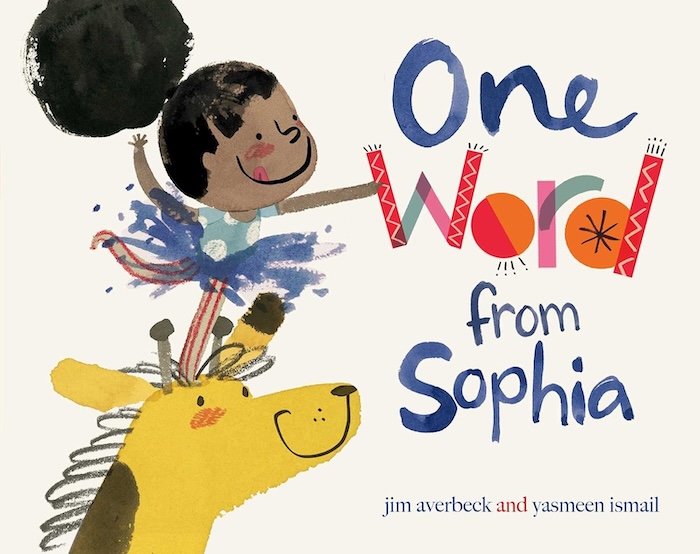
One Word from Sophia
by Jim Averbeck
Sophia wants a giraffe for her birthday more than anything. She tries to persuade each member of her family by changing her argument to match their interests, but her explanations are too long and complicated. Finally, Sophia discovers that one simple, polite word—“please”—may be the most powerful argument of all.
Big Idea. Effective persuasion depends on knowing your audience, choosing strong reasons, and communicating with clear, thoughtful words.
Discussion Questions:
- What does Sophia want, and whom must she persuade?
- How does she change her approach for each family member?
- Which reasons are strongest? Explain your thinking.
- Why do some of Sophia’s arguments fail?
- How does one carefully chosen word change the outcome?
ACTIVITY: Mini Debate
Present respectful arguments for two sides of a classroom choice.
36
Compare-Contrast
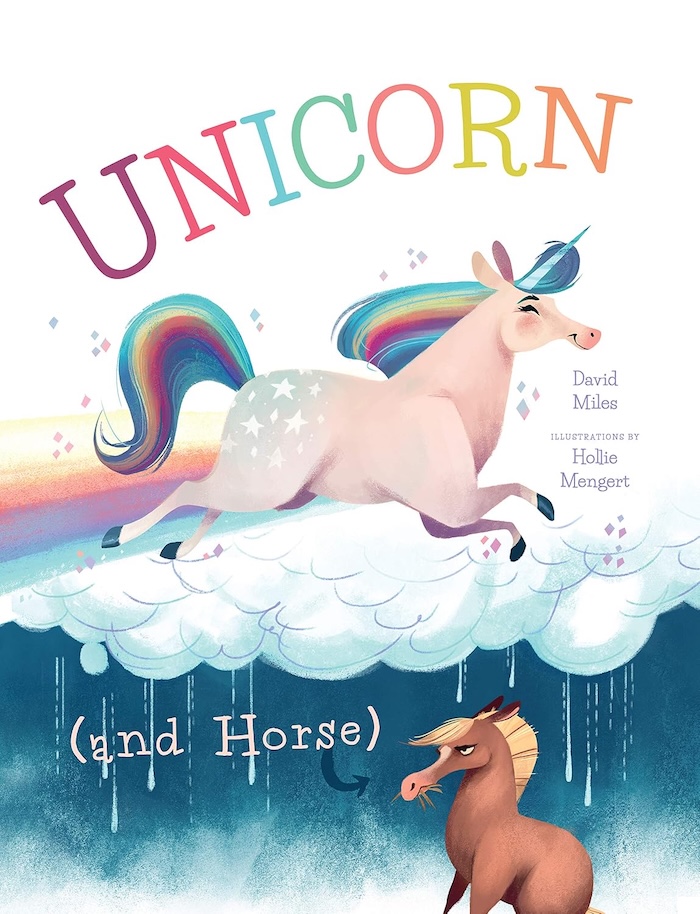
Unicorn (and Horse)
by David Miles
Horse feels jealous of Unicorn, but when Unicorn needs help, Horse must set aside all sorts of expressive feelings and decide what kind of friend he wants to be.
Big Idea. Comparing ourselves to others can create envy, but recognizing our own strengths and choosing kindness can build an unexpected friendship.
Discussion Questions:
- Why does Horse feel annoyed by Unicorn?
- What do Horse’s words and actions reveal about his feelings?
- How do the illustrations contrast the two characters?
- What choice shows that Horse is beginning to change?
- What does each character contribute to the friendship?
ACTIVITY: Horse Vs. Unicorn
Character Compare: Make a Venn diagram for Unicorn and Horse. More alike or more different?
37
Acceptance
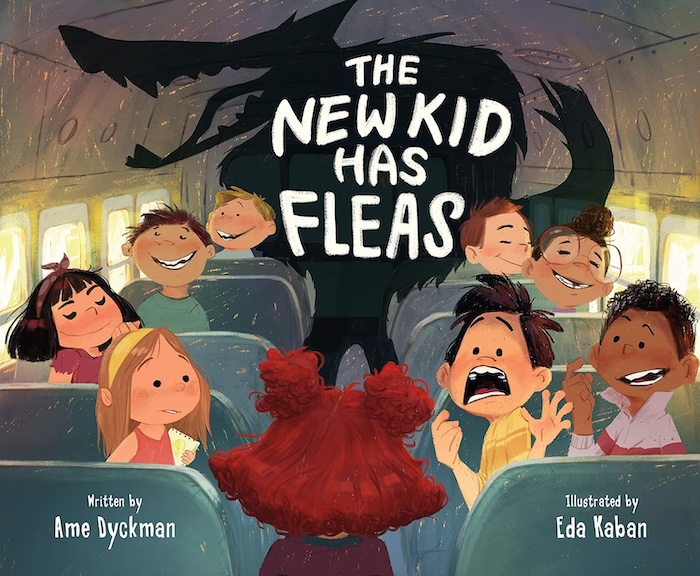
The New Kid Has Fleas
by Ame Dyckman
When a new student arrives, rumors make classmates unsure about her. After the narrator is paired with her for a project, shared experiences reveal that the new kid is clever, capable, and fun. A surprising friendship begins when assumptions give way to understanding.
Big Idea. Rumors and first impressions can be misleading. Kindness, curiosity, and shared experiences help us see the whole person.
Discussion Questions:
- What assumptions do the students make about the new kid?
- Which details are facts, and which are rumors?
- How does working together change the narrator's perspective?
- What do the illustrations reveal about the new kid?
- How could the classmates make a newcomer feel welcome?
ACTIVITY: Write About It!
A new student arrives, and classmates make an incorrect assumption. Write a story showing how one shared experience reveals the truth and begins a friendship.
38
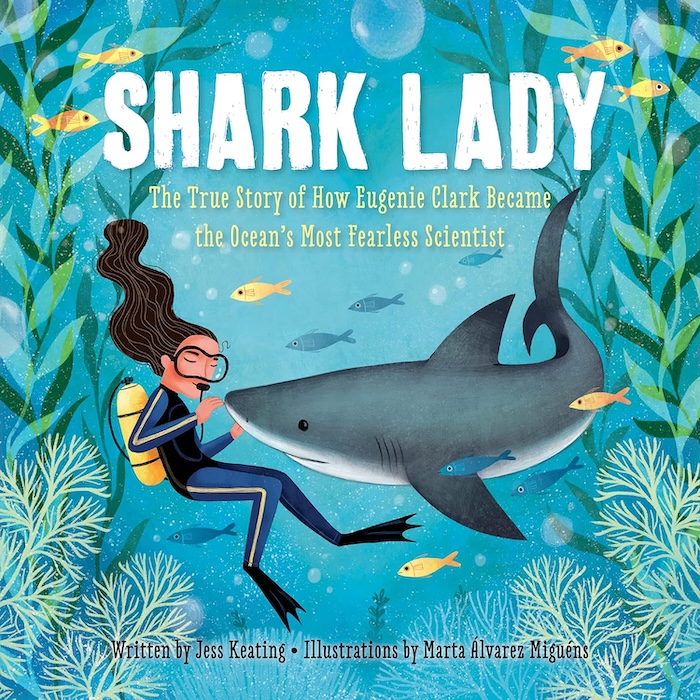
Ways of Seeing
Shark Lady: The True Story of How Eugenie Clark Became the Ocean's Most Fearless Scientist
by Jess Keating
From childhood aquarium visits to groundbreaking ocean research, Eugenie Clark followed her fascination with sharks. She studied marine biology, became a skilled diver, and used evidence to challenge fearful myths about sharks.
Big Idea. Curiosity, courage, persistence, and scientific evidence can challenge stereotypes and change how people understand the natural world.
Discussion Questions:
- What inspired Eugenie's interest in sharks?
- What obstacles did she face while pursuing science/
- How did observation and evidence challenge shark myths?
- Which character traits helped Eugenie succeed?
- How do the illustrations support the biography?
ACTIVITY: Ocean Advocate
Design a message that encourages shark conservation to help save them in the wild.
39
Creative Imagination
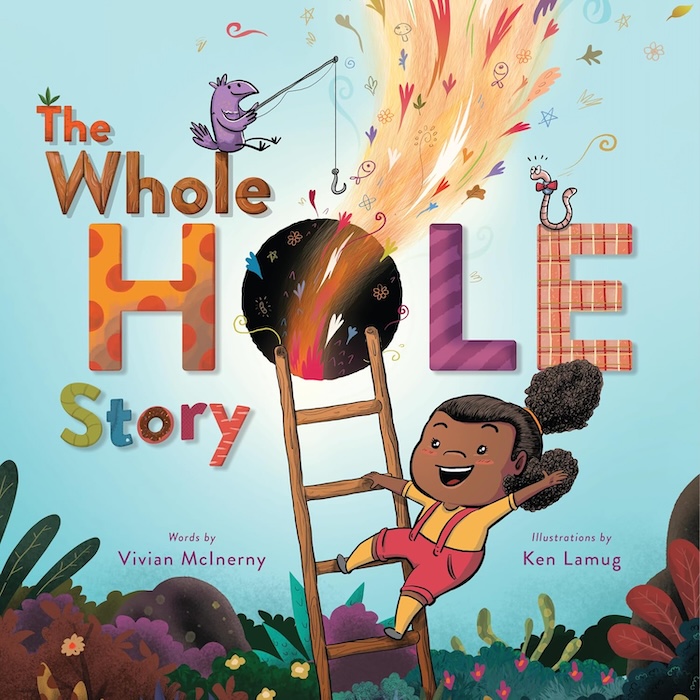
The Whole HOLE Story
by Vivian McInerny
Zia's playful possibilities turn one small hole into a whole adventure. Zia is used to the hole in her pocket-even filling it with frogs and other treasures. As the hole grows, her imagination grows too. What if she fell through it, caught an elephant, or tunneled to the other side of the world? And then she does...
Big Idea. Curiosity and imagination can transform an ordinary problem into endless possibilities. Words and pictures work together to build playful ideas.
Discussion Questions:
- How does Zia feel about the hole in her pocket?
- Which ideas could really happen? Which are imaginary?
- How do the pictures expand the words?
- What examples of wordplay do you notice?
- Which possibility is the most surprising? Why?
ACTIVITY: Graphic Novel
Imagine you discover a mysterious hole. Where will it lead? Write and illustrate a graphic novel panel with three surprising possibilities.
40
Surprise!
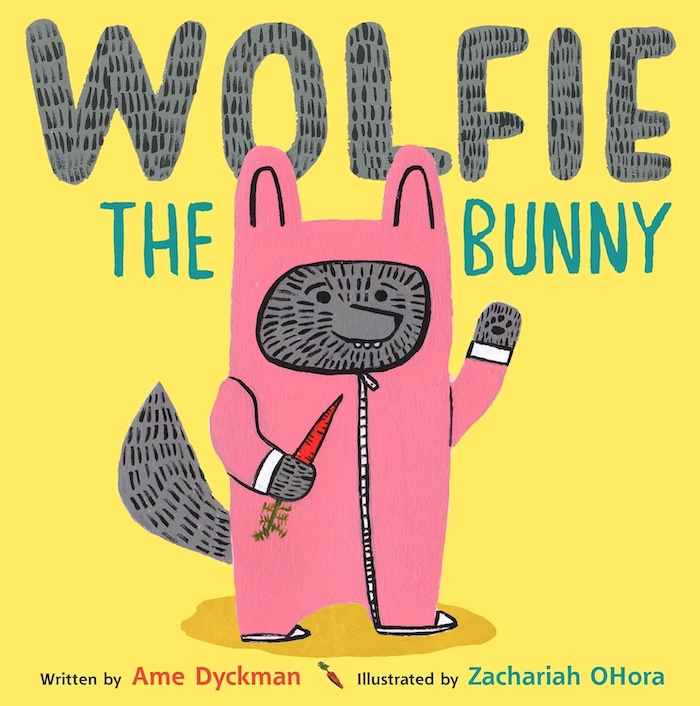
Wolfie the Bunny
by Ame Dyckman
When the Bunny family finds a baby wolf on their doorstep, Mama and Papa welcome him as their son. Dot is sure Wolfie will cause trouble, but no one listens. When danger appears, Dot bravely protects her new little brother-and discovers that family love can grow in surprising ways.
Big Idea. First impressions are not always accurate.
Discussion Questions:
- Why is Dot worried about Wolfie?
- How do Mama and Papa react differently?
- What details show Wolfie's personality?
- When does Dot's thinking begin to change?
- What message does the ending share about family?
ACTIVITY: Courage Comic
Draw three panels showing Dot's brave choice.
41
Fossil Finds
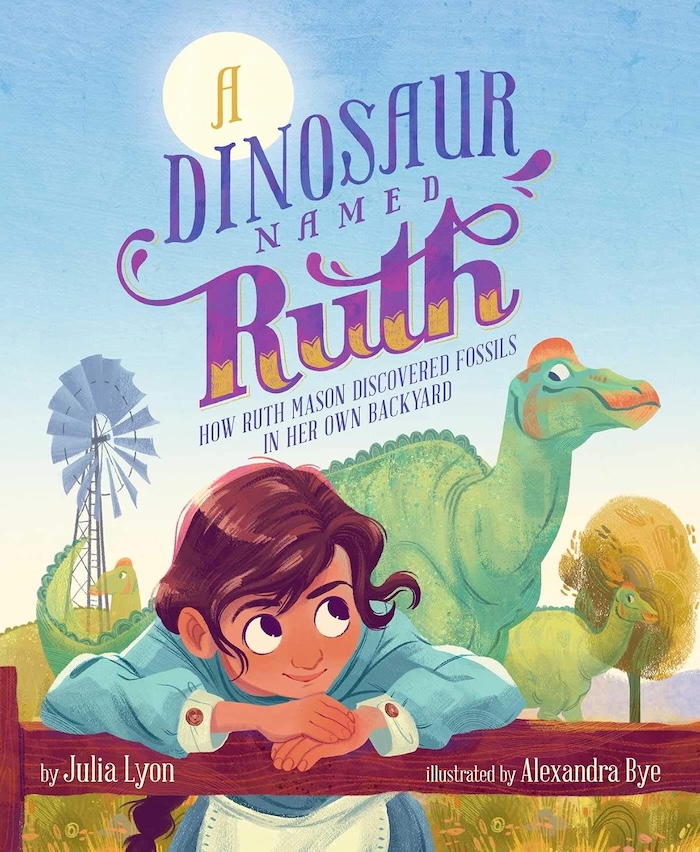
A Dinosaur Named Ruth: How Ruth Mason Discovered Fossils in Her Own Backyard
by Julia Lyon
South Dakota farm girl, Ruth Mason noticed unusual rocks and bones in the land around her. For years, few people understood what she had found. Ruth kept collecting, asking questions, and sharing the evidence. Her persistence eventually helped paleontologists uncover thousands of dinosaur fossils.
Big Idea. Curiosity and persistence can lead to important scientific discoveries. Valuable evidence may be found in ordinary places.
Discussion Questions:
- What first made Ruth curious about the strange rocks?
- Why did it take years for others to understand her discovery?
- How did Ruth show persistence?
- What evidence helped scientists identify the fossils?
- Why is Ruth's story important to science?
ACTIVITY: Archaeology Discovery!
Imagine you discover an unusual object in your backyard. Describe your observations, questions, evidence, and next steps as a scientist.
42
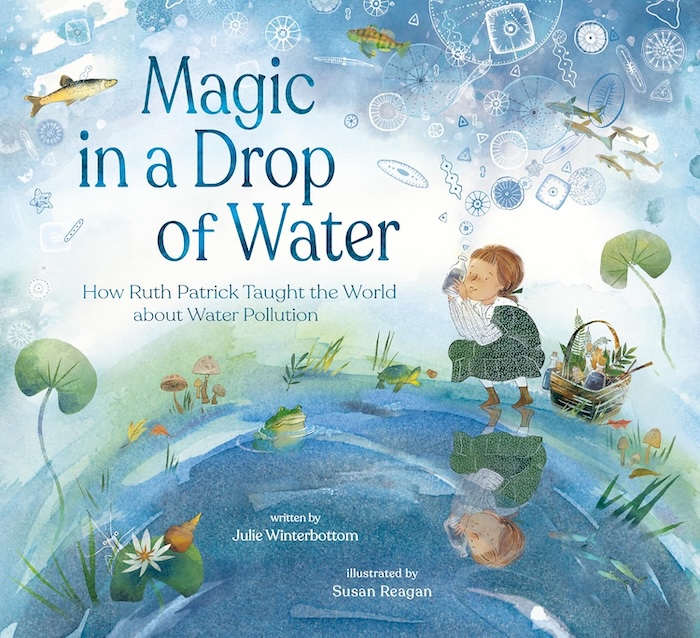
What Holds Water
Magic in a Drop of Water: How Ruth Patrick Taught the World about Water Pollution
by Julie Winterbottom
As a child, Ruth Patrick loved exploring streams and viewing tiny organisms through a microscope. She became a scientist who studied diatoms and freshwater ecosystems. By bringing teams of specialists together, Ruth showed that the variety of living things in water can reveal pollution and measure a stream's health.
Big Idea. Healthy ecosystems depend on biodiversity. Careful observation, evidence, and teamwork help scientists understand and protect water.
Discussion Questions:
- What sparked Ruth's curiosity about water?
- Why were diatoms important to her research?
- How did teamwork strengthen Ruth's investigations?
- What can biodiversity reveal about water quality?
- How did Ruth's work help people protect rivers and streams?
ACTIVITY: Diatom Designs
Create symmetrical patterns inspired by microscopic algae.
43
Food Webs
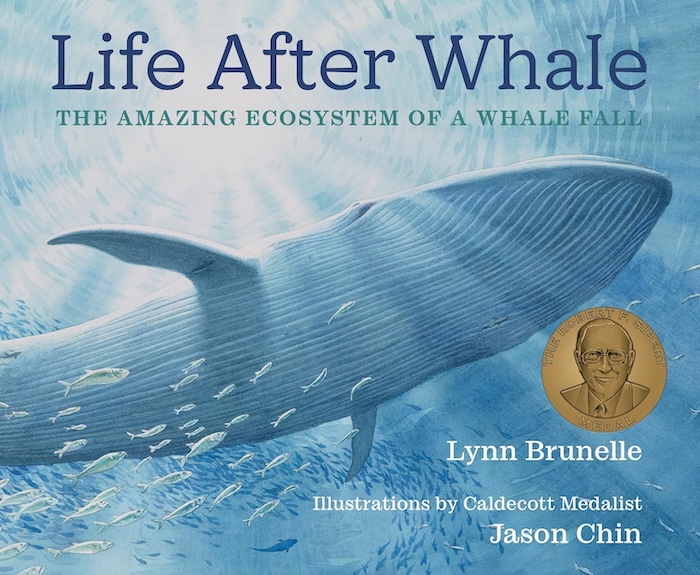
Life After Whale: The Amazing Ecosystem of a Whale Fall
by Lynn Brunelle
When a whale dies and sinks to the deep seafloor, it becomes a whale fall. Over many years, its body provides food, shelter, and energy for an extraordinary community. Scavengers, worms, bacteria, shellfish, and other organisms arrive in stages, transforming one whale into a long-lasting deep-sea ecosystem.
Big Idea. Matter and energy are recycled through ecosystems. A whale fall shows how death can support new life and connect many organisms in a changing food web.
Discussion Questions:
- Why is a whale fall important in the deep ocean?
- Which organisms arrive first, and what do they do?
- How does the community change over time?
- Where do matter and energy move in this ecosystem?
- How do the illustrations help explain processes we cannot easily observe?
ACTIVITY: Weave A Food Web
Connect producers, consumers, scavengers, and decomposers. Create poster with words.
44
Citizen Scientists
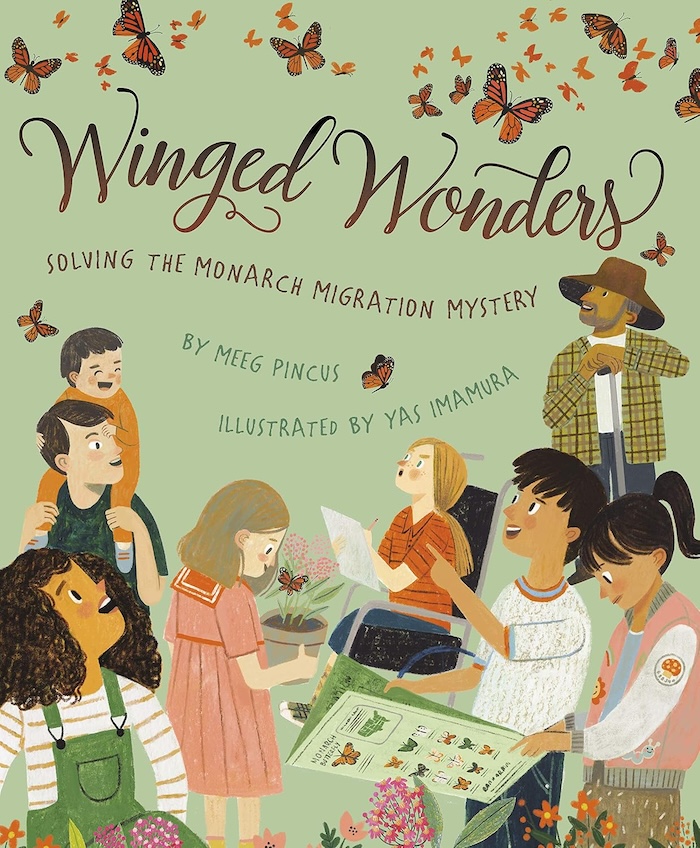
Winged Wonders: Solving the Monarch Migration Mystery
by Meeg Pincus
For decades, people wondered where monarch butterflies went each winter. Fred and Norah Urquhart developed tiny tags and invited volunteers to track the butterflies. Observers across Canada, the United States, and Mexico gathered clues. Their teamwork helped Catalina Trail and Ken Brugger locate the monarchs' mountain wintering grounds in Mexico.
Big Idea. Curiosity, persistence, evidence, and cooperation make citizen science powerful.
Discussion Questions:
-
Why was monarch migration difficult to study?
-
How did tagging provide useful evidence?
-
What roles did volunteers play in the investigation?
-
Why was international teamwork necessary?
-
How did each clue help researchers revise their ideas?
- How did questions contribute to this story?
ACTIVITY: Monarch Life Cycle Or Citizen Scientist
Model egg, caterpillar, chrysalis, and butterfly stages. Or, create a poster that shows what citizen scientists do.
45
Grossology
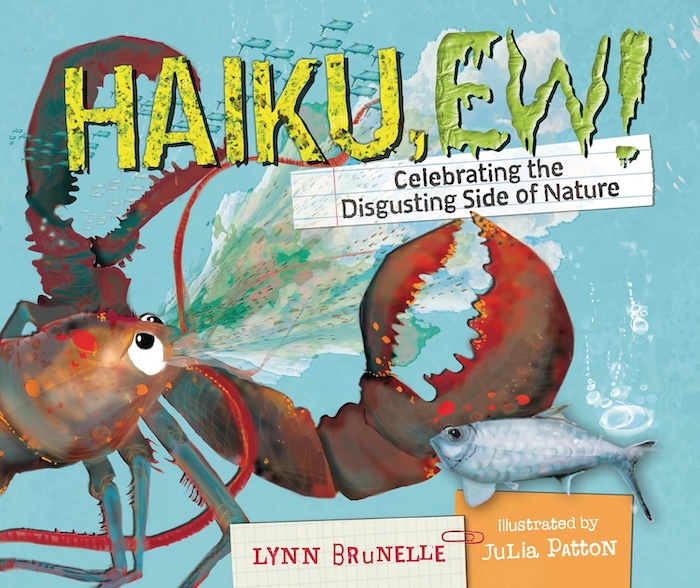
HAIKU, EW! Celebrating the Disgusting Side of Nature
by Lynn Brunelle
Nature is beautiful and wonderfully gross! Fourteen funny haiku introduce animals and fungi with surprising habits, body processes, and adaptations and explain the science behind each "ew!"
Big Idea. Traits that seem disgusting to people may help organisms survive, communicate, eat, reproduce, or stay safe.
Discussion Questions:
- How does humor make the science engaging?
- Which words create the strongest images?
- How do the facts explain each animal's adaptation?
- What patterns do you notice in the poems?
- Which "gross" trait has the most useful purpose? Why?
ACTIVITY: Write A Haiku!
Write a three lined poem
about something super gross,
using 5-7-5.
5 syllables in the first line,
seven in the second,
5 syllables in the third,
like the example above.
46
Smallest Foresters
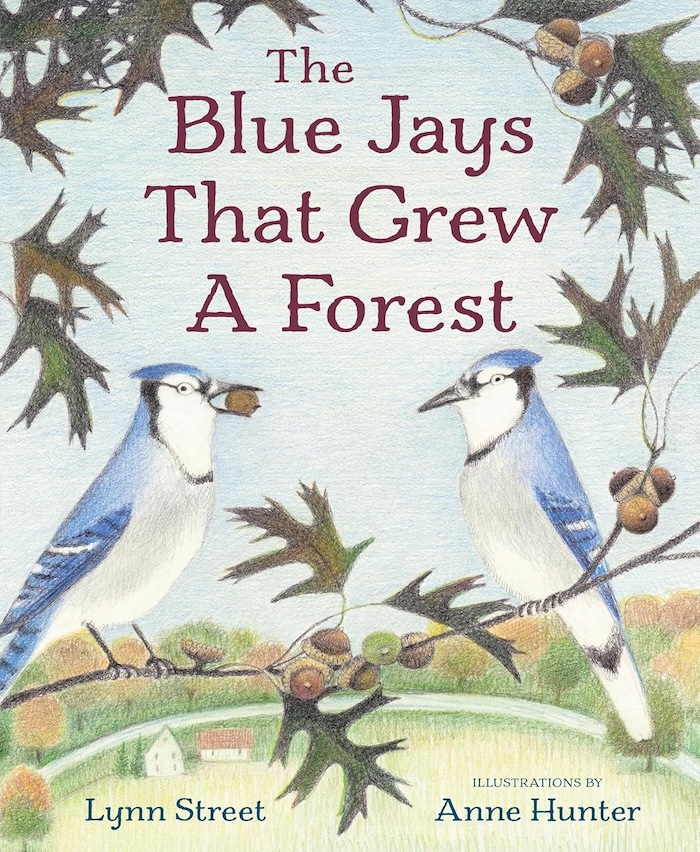
The Blue Jays That Grew A Forest
by Lynn Street
After the last great glaciers retreated, oak trees needed help spreading north. Blue jays carried acorns away from parent trees and buried them in many small caches. The birds returned for much of their food, but some acorns remained underground. Those forgotten seeds sprouted, grew, and helped new oak forests take root.
Big Idea. Seed dispersal connects birds and trees, showing how many small actions can create enormous change over time.
Discussion Questions:
- Why did oak trees need to spread into new areas?
- How and why do blue jays cache acorns?
- What happens to the acorns the birds do not retrieve?
- How do blue jays and oak trees benefit each other?
- How does the book show change across a long period of time?
ACTIVITY: Jay-Oak Connection Poster
Draw a poster that shows the cause-and-effect chain from Blue Jay's caching to forest growth.
47
Building Beaks
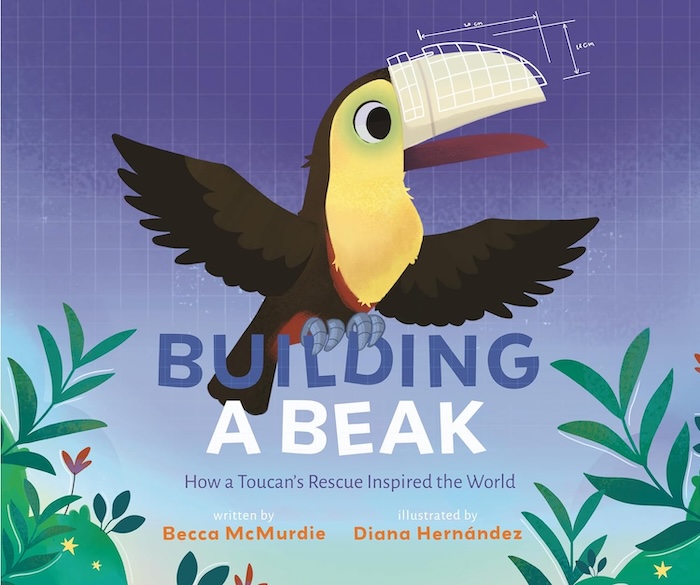
Building a Beak: How a Toucan's Rescue Inspired the World
by Becca McMurdie
In Costa Rica, a rescued toucan named Grecia needed help. Veterinarians, designers, engineers, and 3D-printing experts joined forces. Through observation, prototypes, testing, and revision, the team created a prosthetic upper beak—and inspired people around the world.
Big Idea. Teamwork, careful observation, testing, and revision can create solutions that improve an animal's life.
Discussion Questions:
-
What problem did Grecia's rescue team need to solve?
-
Why did the team study a real toucan beak?
-
How did different experts contribute?
-
What qualities would a prosthetic beak need?
-
How did Grecia's story inspire people?
ACTIVITY: Build A Beak
PROTOTYPE LAB: Build a paper beak, test it, and revise.
48
Determination
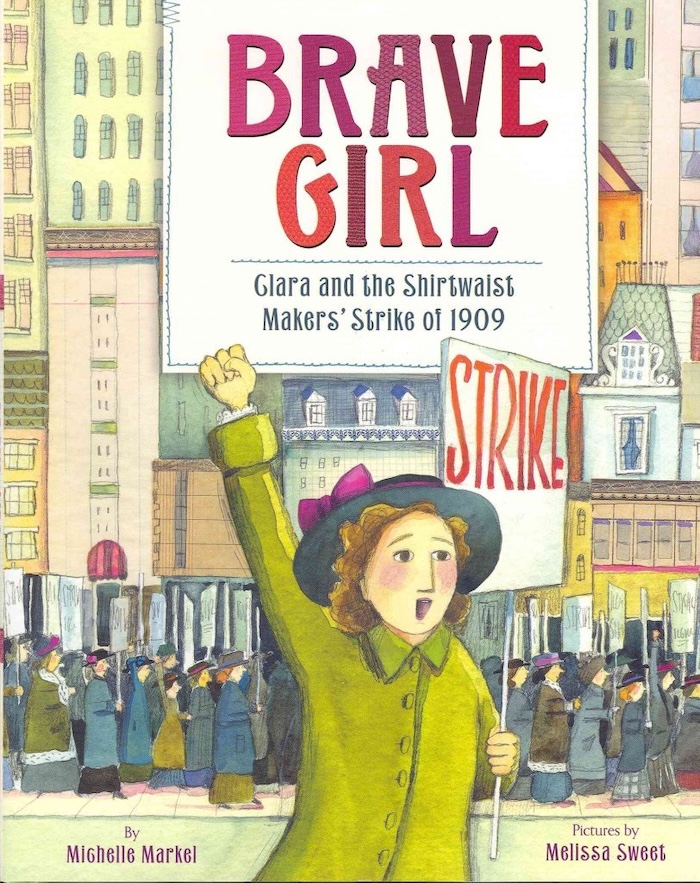
Brave Girl: Clara Lemlich and the Shirtwaist Makers
by Michelle Markel
Clara Lemlich worked long hours in a crowded New York garment factory, She learned English, joined a union, and spoke out for change. In 1909, her courageous call for a general strike helped launch the Uprising of the 20,000. Together, garment workers demanded fairer pay, shorter hours, and safer workplaces.
Big Idea. One brave voice can inspire many people to act.
Discussion Questions:
- What working conditions did Clara and the other workers face?
- How did Clara's experiences shape her choices?
- Why was speaking at Cooper Union a turning point?
- How did collective action give workers power?
- What does the artwork and details add to the true story?
ACTIVITY: Solidarity Quilt
Create paper squares showing ways people support one another.